Ventilago maderaspatana
Gaertn.
Red ventilago creeper
iNaturalist· cc-by-nc
(c) Radha Veach, some rights reserved (CC BY-NC)
iNaturalist· cc-by-nc
(c) Radha Veach, some rights reserved (CC BY-NC)
iNaturalist· cc-by-nc
(c) Radha Veach, some rights reserved (CC BY-NC)
Description
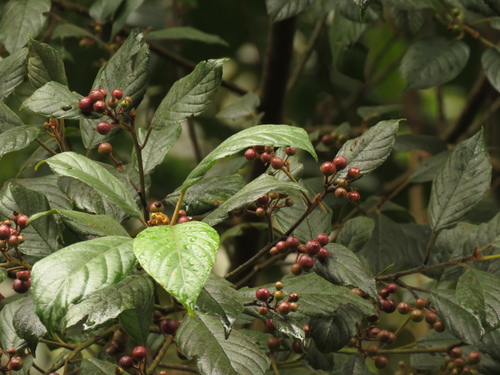
A woody climber or shrub. The branches are brown and hairy. The leaves are pale green underneath. They are narrowly and 6-15 cm long by 3-5 cm wide. The flowers are in groups near the ends of branches. The fruit is 5-6 cm across. It is hairy. The stone has one seed. It is 3 mm across.
Edible Uses
The seeds are eaten after cooking and yield an edible fatty oil. The roots are also edible.
Traditional Uses
The seeds are eaten after cooking. The seeds yield an edible fatty oil.
This uses section is brief — help expand it
Distribution
A tropical plant. In Yunnan. It occurs in the Western Ghats in India.
Where It Grows
Asia, China, India, Indonesia, Myanmar, SE Asia, Sri Lanka,
Cultivation
Plants can be grown from seeds.
Also Known As
Ettashirattalativva, Ettasurugudu, Kanvel, Lokhandi, Papilli, Papudi, Pitti, Pupli, Rahatarohado, Raktapita, Raktavalli, Roktopitta, Ruktupita, Sajumalo, Suralatige, Surali, Suratichekka, Surgugudu, Surulbattaikhodi, Ta-yaw-nyo, Thwedet, Toridi, Vembadam, Ventilago merah, Wasonwe
References (7)
- Ambasta, S.P. (Ed.), 2000, The Useful Plants of India. CSIR India. p 670
- Burkill, I.H., 1966, A Dictionary of the Economic Products of the Malay Peninsula. Ministry of Agriculture and Cooperatives, Kuala Lumpur, Malaysia. Vol 2 (I-Z) p 2265
- Fruct. sem. pl. 1:223, t. 49, fig. 2. 1788
- Kumar, R. & Saikia, P., 2020, Wild edible plants of Jharkhand and their utilitarian perspectives. Indian Journal of Traditional Knowledge Vol 19 (2), April 2020, pp 237-250
- Menninger, E.A., 1977, Edible Nuts of the World. Horticultural Books. Florida p 122
Show all 7 references Hide references
- Singh, H.B., Arora R.K.,1978, Wild edible Plants of India. Indian Council of Agricultural Research, New Delhi. p 83
- Sukarya, D. G., (Ed.) 2013, 3,500 Plant Species of the Botanic Gardens of Indonesia. LIPI p 988
More from Rhamnaceae
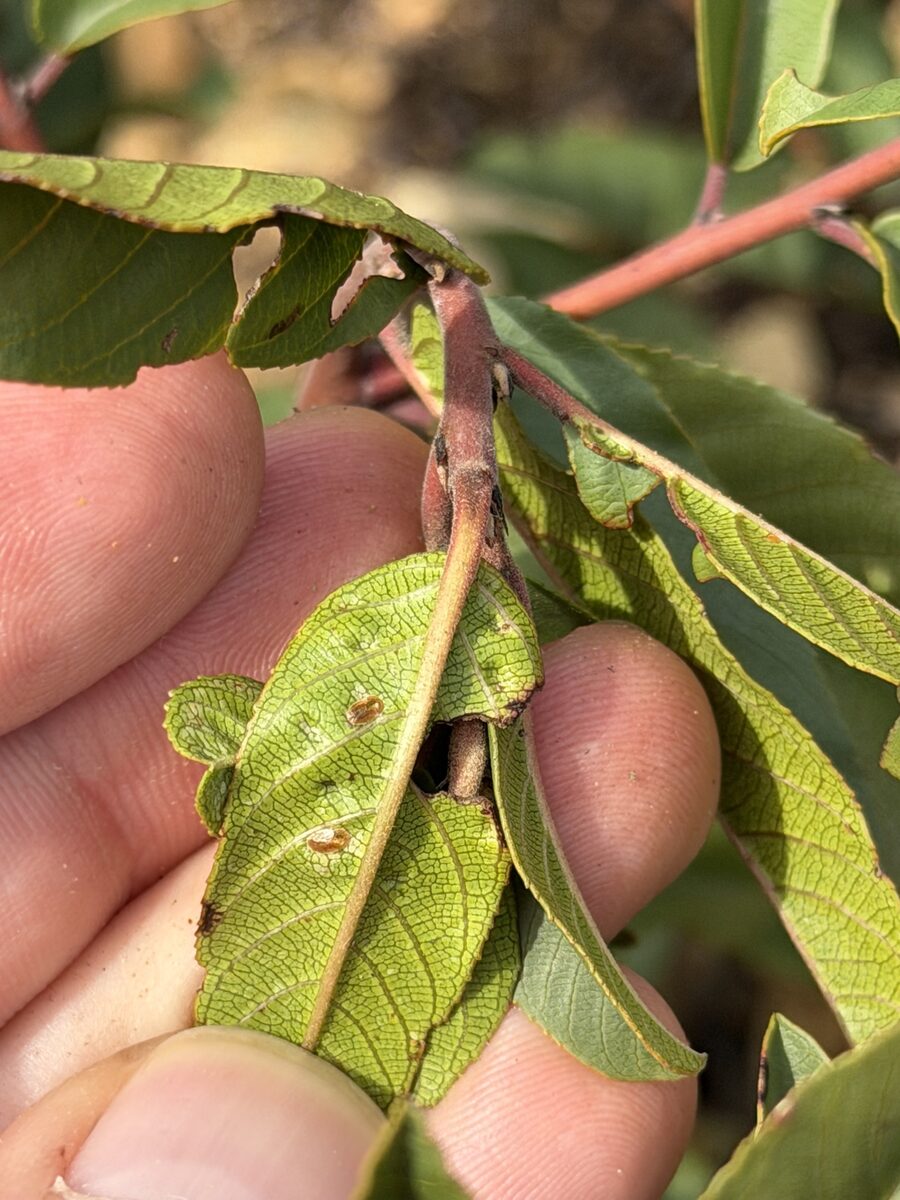
Frangula californica subsp. californica
California buckthorn
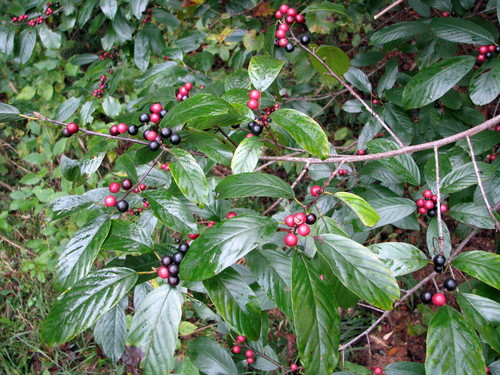
Frangula caroliniana
Indian cherry, Carolina Buckthorn, Redberry, Yellowwood, Yellow buckthorn
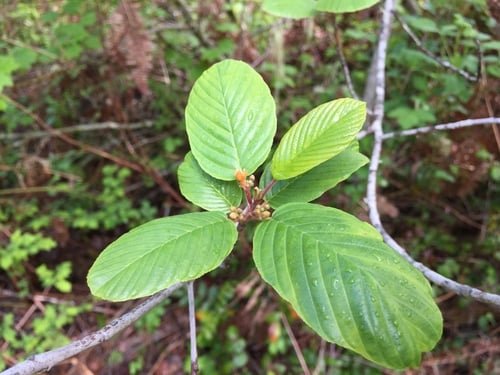
Frangula purshiana
Cascara, California Buckthorn, Cascara buckthorn, Bearberry
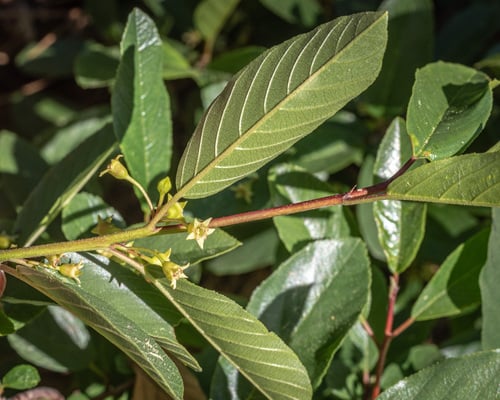
Frangula rubra subsp. rubra
Frangula sphaerosperma
Sarui
Gouania longispicata