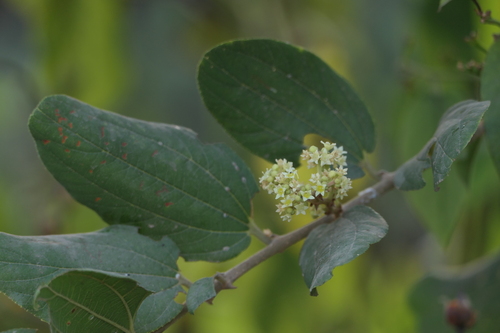
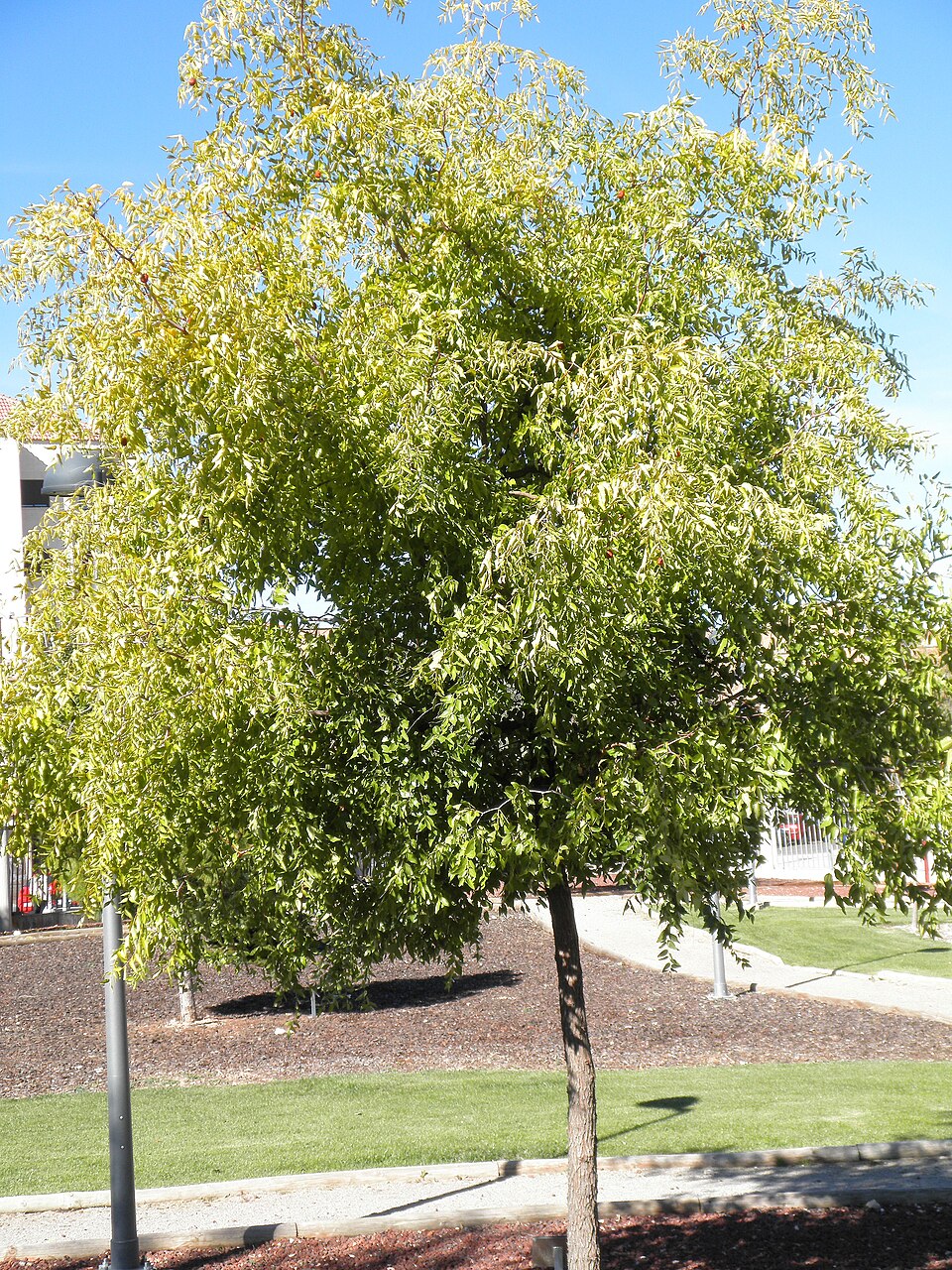
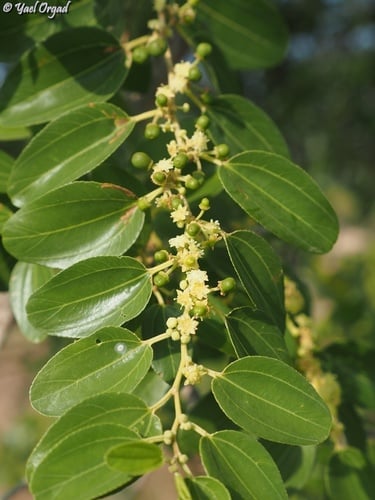
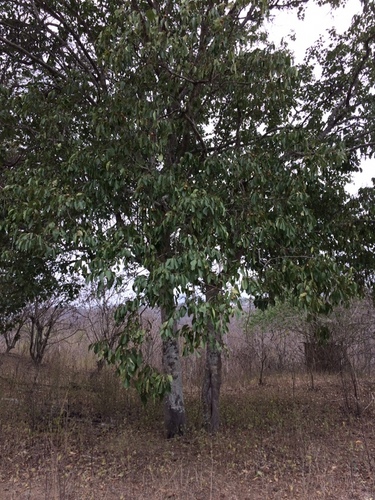
Reynosia septentrionalis
Urb.
Darling Plum, Red ironwood
iNaturalist· cc-by-sa
(c) Douglas Goldman, some rights reserved (CC BY-SA)
iNaturalist· cc-by-sa
(c) Douglas Goldman, some rights reserved (CC BY-SA)
iNaturalist· cc-by-sa
(c) Douglas Goldman, some rights reserved (CC BY-SA)
Description
An evergreen tree. It grows 6-8 m tall. The trunk is 15-20 cm across. The fruit are dark purple and thin-skinned. They are 2 cm long. They are sweet. There is one seed.
Edible Uses
Fruit - raw or cooked. An agreeable flavour. Thin skinned, with a very sweet, agreeable flesh that is said to resemble blueberries. The purple or nearly black fruit is about 15 - 20mm long with a thin flesh covering a single seed.
Traditional Uses
The fruit are eaten raw or cooked.
This uses section is brief — help expand it
Distribution
A tropical plant. It grows in the tropics and subtropics at low elevations. It grows in scrubland.
Where It Grows
Antilles, Bahamas, Central America, Cuba, North America, Turks & Caicos, USA, West Indies,
Cultivation
A plant of low elevations in the tropics and subtropics.
Other Uses
The heartwood is a rich dark brown; the sapwood light brown, usually comprising the outer 15 - 20 rings of annual growth. The wood is heavy, exceedingly hard, strong and close-grained. It is used for cabinet work.
Synonyms
Also Known As
Guamaberry
References (8)
- Facciola, S., 1998, Cornucopia 2: a Source Book of Edible Plants. Kampong Publications, p 191
- Fern, K., 2012, Tropical Species Database http://theferns.info/tropical/
- Hedrick, U.P., 1919, (Ed.), Sturtevant's edible plants of the world. p 555 (As Reynosia latifolia)
- Kermath, B. M., et al, 2014, Food Plants in the Americas: A survey of the domesticated, cultivated and wild plants used for Human food in North, Central and South America and the Caribbean. On line draft. p 740
- Lyle, S., 2006, Discovering fruit and nuts. Land Links. p 375
Show all 8 references Hide references
- Morton,
- Symb. antill. 1:356. 1899
- Uphof,