Valeriana phu
L.
Small Potentille
iNaturalist· cc-by-sa
(с) 阿橋花譜 HQ Flower Guide, некоторые права защищены (CC BY-SA)
wikimedia· cc-by-sa
Wikimedia Commons - Rillke
Summary
Source: WikipediaValeriana phu, the golden spikenard, is a species of flowering plant in the family Caprifoliaceae, native to northern Turkey. A rhizomatous geophytic perennial reaching 1 to 1.5 m (3 to 5 ft), it has a cultivar, 'Aurea', that is widely available from commercial suppliers. Its rhizome is sometimes known as V. Radix Majoris and is said to be frequently found mingled with those of valerian root (V. officinalis) in a traditional medicinal preparation offered for sale. It is from 4 to 6 inches long, 1/2 inch in thickness, brown and with a feeble, valerian-like odor and taste.
Description
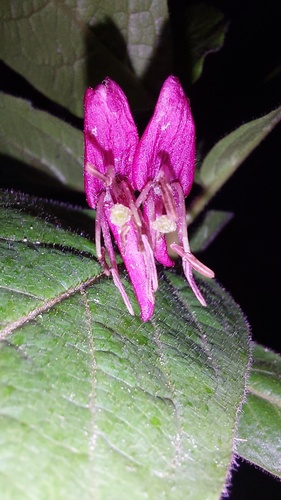
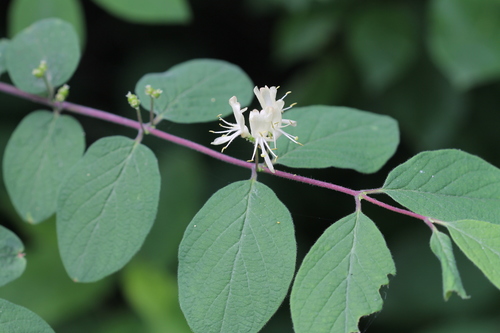
A tall herb that keeps growing from year to year. It grows 90 cm high and spreads 45 cm wide. The stem is erect, hollow and angular. The leaves at the base are not divided. The other leaves are divided and have sword shaped leaflets. The flowers are small and white. They are tube shaped. They are in clusters.
Edible Uses
The seeds can be parched and eaten, as is done with other members of this genus, though no further preparation details are given. An essential oil from the leaves and roots is used to flavour ice cream, baked goods, and condiments, and is especially valued in apple flavourings. The leaves can also be used as a condiment. The plant is used in moderation as a herbal tea.
Medicinal Uses
The whole plant, but especially the root, is antispasmodic, carminative, diuretic, hypnotic, powerfully nervine, sedative, and stimulant. Use with caution.
Known Hazards
Some caution is advised with the use of this plant. At least one member of the genus is considered to be poisonous raw and V. officinalis is a powerful nervine and sedative that can become habit-forming.
Distribution
It is a temperate plant. It does best in well-composted moist soils. It needs a protected and partly shady position. It is resistant to frost but sensitive to drought. It suits hardiness zones 3-9.
Where It Grows
Australia, Caucasus*, Europe, Russia, Tasmania,
Cultivation
Succeeds in ordinary garden soil. Prefers a good soil, succeeding in sun or partial shade. Plants grown in a dry garden in Essex succeed in dry shade on a north facing wall. This plant has been cultivated as a medicinal plant. Closely related to V. officinalis.
Propagation
Sow seed in spring in a cold frame, barely covering it as light is required for germination. Prick seedlings into individual pots when large enough to handle, and plant out into permanent positions in summer if sufficient growth has been made. If plants are too small to go out, overwinter them in a greenhouse or cold frame and plant out early the following summer. For division, work in spring: larger divisions can go directly into permanent positions, while smaller ones are best potted up and grown on in light shade in a greenhouse or cold frame until establishing well, then planted out in summer or the following spring.
Other Uses
An essential oil obtained from the roots and leaves is used in perfumery. The dried root attracts rats and can be used as bait to lure them away from other areas. The plant is an ingredient of 'QR' herbal compost activator, a dried and powdered herbal mixture added to compost heaps to speed up bacterial activity and shorten the time needed to produce compost. It also makes an excellent liquid plant feed and attracts earthworms.
Notes
Also put in the family Valerianaceae. The roots yield the drug valerian.
References (4)
- Cundall, P., (ed.), 2004, Gardening Australia: flora: the gardener's bible. ABC Books. p 1454
- Hibbert, M., 2002, The Aussie Plant Finder 2002, Florilegium. p 305
- Plants for a Future database, The Field, Penpol, Lostwithiel, Cornwall, PL22 0NG, UK. http://www.scs.leeds.ac.uk/pfaf/
- Zeven, A. C. & de West, J. M. J., 1982, Dictionary of cultivated plants and their regions of diversity. Wageningen. p 102