Lonicera quinquelocularis
Hardw.
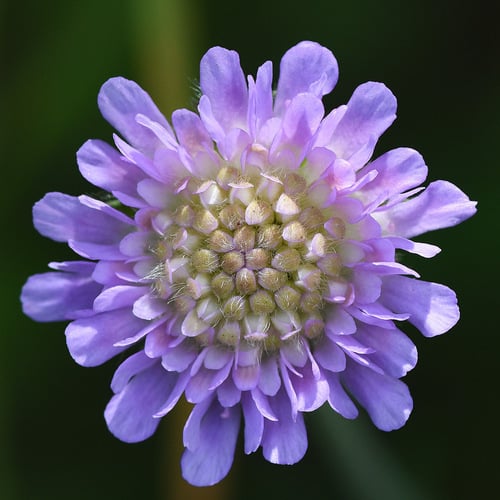
iNaturalist· cc-by
(c) Wendy Cutler, some rights reserved (CC BY)
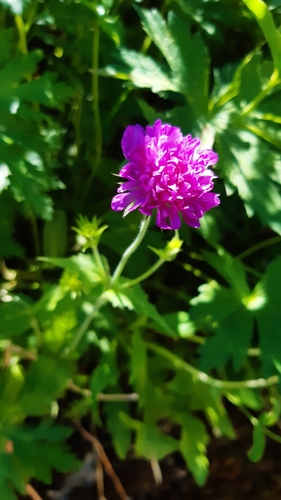
iNaturalist· cc-by-nc
(c) aru00, some rights reserved (CC BY-NC)
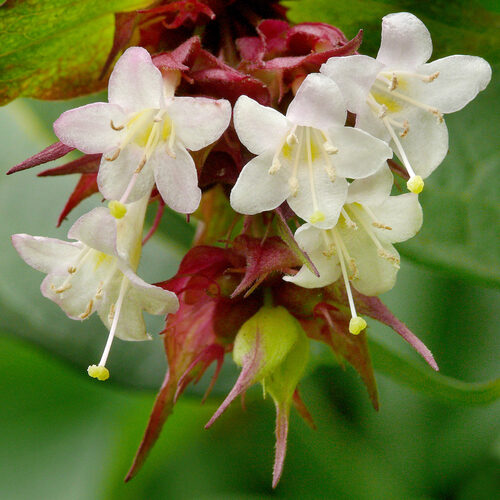
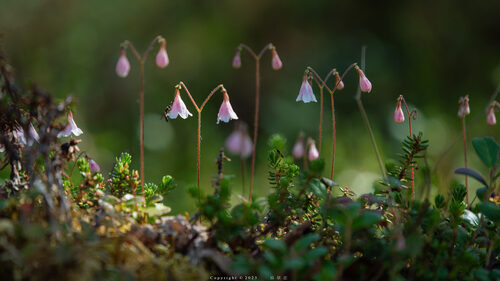
iNaturalist· cc-by-nc
(c) T. Abe Lloyd, some rights reserved (CC BY-NC)
Summary
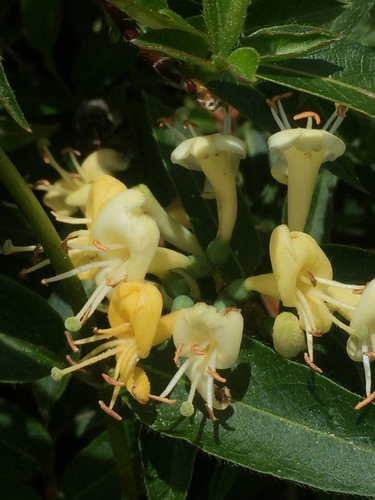
Source: WikipediaLonicera quinquelocularis, known as translucent honeysuckle, is a species of honeysuckle native to Afghanistan and China, where it reaches a height of 5 metres. The cream-white to yellow flowers occur from May to July, followed by translucent to milky coloured fruits.
Description
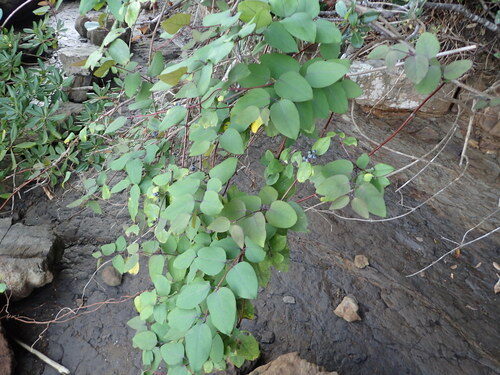
A shrub. It loses its leaves during the year. The leaves are broadly oval and dark green. They are hairy underneath. The flowers are pale yellow and occur in pairs or small clusters. The fruit are oval and brownish-black.
Edible Uses
None known.
Medicinal Uses
None known.
Distribution
It is a subtropical plant. In the Himalayas it grows in moist shaded areas between 2,000-3,000 m above sea level.
Where It Grows
Asia, Himalayas, India,
Cultivation
Succeeds in most soils but prefers a good moist soil in a sunny position. Does not fruit so well when grown in the shade. Plants are hardy to about -15°c.
Propagation
Seed is best sown as soon as it is ripe in a cold frame. Stored seed requires 2 months of cold stratification and should be sown in a cold frame as soon as possible. Prick seedlings into individual pots when large enough to handle and grow on in the greenhouse for at least their first winter, then plant out in late spring or early summer after the last expected frosts. Take half-ripe cuttings 7–10cm long with or without a heel in July/August in a frame; good success rate. Cuttings of mature wood from the current season's growth, 15–20cm with or without a heel, can be taken in November in a cold frame; good success rate. Layer in autumn.
Other Uses
The wood is hard and close-grained, takes a fine polish, and is handsome enough to be used for turnery and carving. It is currently used for making walking sticks and as a fuel.
Synonyms
Also Known As
Badkukra, Badru
References (1)
- Upreti, K., et al, 2010, Diversity and Distribution of Wild Edible Fruit Plants of Uttarakhand. Bioversity Potentials of the Himalaya. p 174