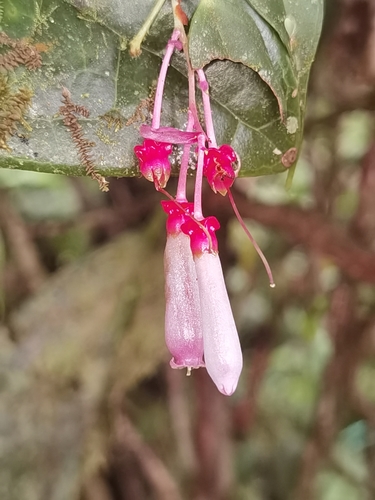
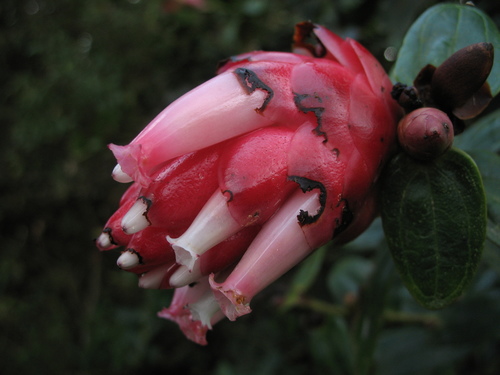
Vaccinium boreale
I. V. Hall and Aalders
iNaturalist· cc-by
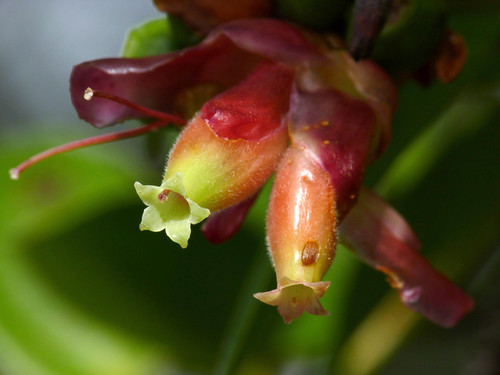
(c) Todd Boland, some rights reserved (CC BY), uploaded by Todd Boland
iNaturalist· cc-by-sa
(c) Tyler Smith, some rights reserved (CC BY-SA), uploaded by Tyler Smith
iNaturalist· cc-by-nc
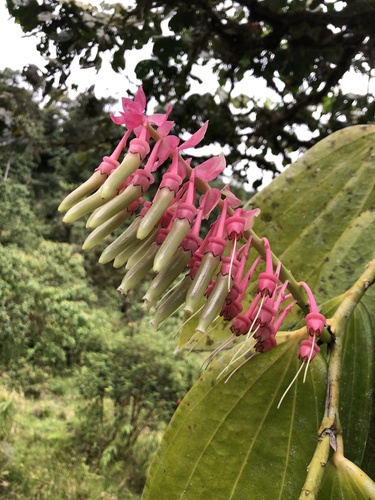
(c) Jeremy Lundholm, some rights reserved (CC BY-NC), uploaded by Jeremy Lundholm
Summary
Source: WikipediaVaccinium boreale, common name northern blueberry, sweet hurts, or bleuet boréal (in French), is a plant species native to North America.
Description
A small shrub. It loses is leaves during the year. It can be 2-16 cm tall. It forms dense clumps. It spreads by rhizomes that are near the surface of the ground. The twigs are green, branched and angular. The leaves are 12-20 mm long by 3-5 mm wide. They are bright green and smooth. There are teeth along the edges. The flowers are greenish white and 3 mm long. The fruit are small sweet berries 3 mm across.
Edible Uses
The small sweet berries are edible.
Distribution
It is a cold temperate plant. It grows in subarctic places. It grows in forest tundra and upland meadows on exposed, rocky sites. It suits cold climates.
Where It Grows
Canada, North America, USA,
Cultivation
It can be grown by seed, cuttings or pieces of the rhizome.
Production
It is slow growing.
Dangerous Lookalikes
This plant can be confused with the following toxic species. Always verify identification carefully before consuming any wild plant.
Deadly Nightshade
Atropa belladonna
Joan Simon from Barcelona, España
Vaccinium boreale
Vaccinium boreale
(c) Todd Boland, some rights reserved (CC BY), uploaded by Todd Boland
Deadly Nightshade: Tall herbaceous plant (1-2m), single shiny black cherry-sized berries, star-shaped calyx, large oval leaves, sweet but dangerous taste.
Vaccinium boreale: Low woody shrub, berries in clusters with crown/remnant calyx ring, sweet taste.
References (3)
- Amer. J. Bot. 48:200. 1961
- Glowinski, L., 1999, The Complete Book of Fruit Growing in Australia. Lothian. p 158
- Trehane, J., 2004, Blueberries, Cranberries and Other Vacciniums. Timber Press. p 218