Vaccinium canadense
Kalm ex Richardson
Sour-top blueberry, Velvet-leaf blueberry
wikimedia· cc0
Wikimedia Commons - Britton, N.L., and A. Brown. 1913. An illustrated flora of the northern United States, Canada and the British Possessions. 3 vols. Charles Scribner's Sons, New York. Vol. 2: 701. Courtesy of Kentucky Native Plant Society. Scanned by Omnitek Inc.
wikimedia· cc0
Wikimedia Commons - Francis Harper
Description
A cold temperate shrub bearing large black berries with a bluish bloom.
This description is brief — help expand it
Edible Uses
The berries are edible and have been used both as a medicine and as a food by various Native American communities. Some Iñupiat cook the cranberry with fish eggs and blubber.
Distribution
It is a cold temperate plant.
Where It Grows
North America, USA,
Dangerous Lookalikes
This plant can be confused with the following toxic species. Always verify identification carefully before consuming any wild plant.
Deadly Nightshade
Atropa belladonna
Joan Simon from Barcelona, España
Sour-top blueberry
Vaccinium canadense
Wikimedia Commons - Britton, N.L., and A. Brown. 1913. An illustrated flora of the northern United States, Canada and the British Possessions. 3 vols. Charles Scribner's Sons, New York. Vol. 2: 701. Courtesy of Kentucky Native Plant Society. Scanned by Omnitek Inc.
Deadly Nightshade: Tall herbaceous plant (1-2m), single shiny black cherry-sized berries, star-shaped calyx, large oval leaves, sweet but dangerous taste.
Sour-top blueberry: Low woody shrub, berries in clusters with crown/remnant calyx ring, sweet taste.
Synonyms
References (4)
- Beckstrom-Sternberg, Stephen M., and James A. Duke. "The Foodplant Database." http://probe.nalusda.gov:8300/cgi-bin/browse/foodplantdb.(ACEDB version 4.0 - data version July 1994)
- Facciola, S., 1998, Cornucopia 2: a Source Book of Edible Plants. Kampong Publications, p 97
- J. Franklin, Narr. journey Polar Sea 736. 1823 (Bot. App. 8)
- Hedrick, U.P., 1919, (Ed.), Sturtevant's edible plants of the world. p 666
More from Ericaceae
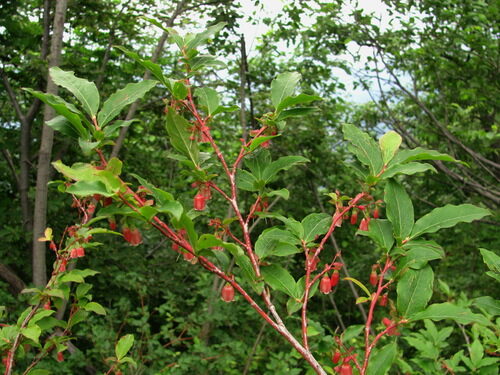
Vaccinium arctostaphylos
Caucasian Whortleberry
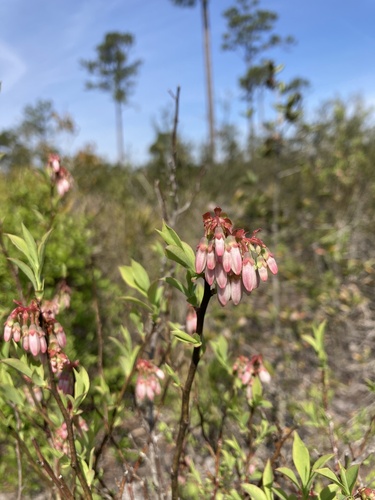
Vaccinium ashei
Rabbiteye Blueberry, Mirtilo, Mirtilo-rabbiteye
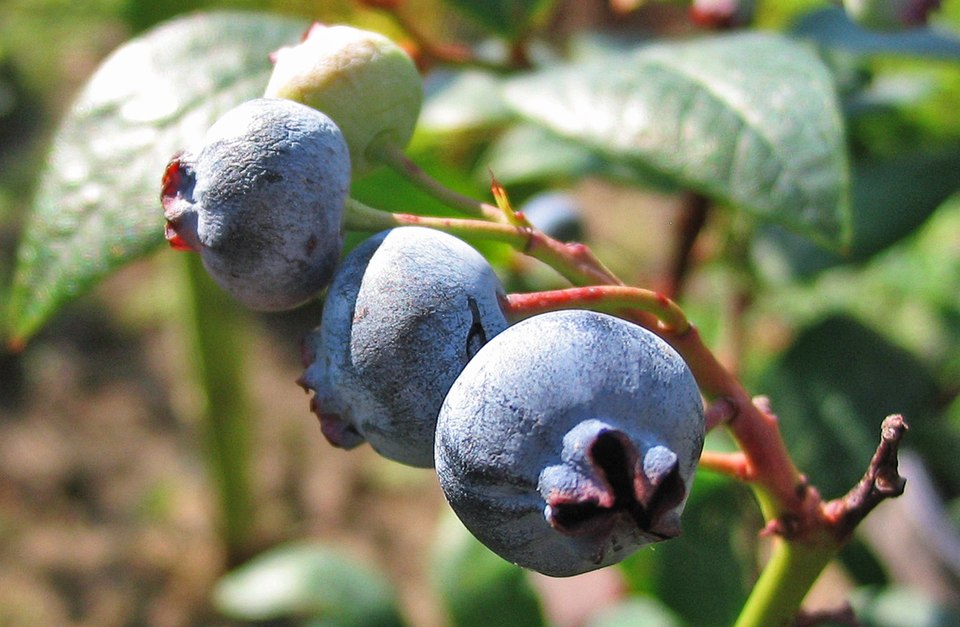
Vaccinium atrococcum
Downy swamp blueberry, Black huckleberry
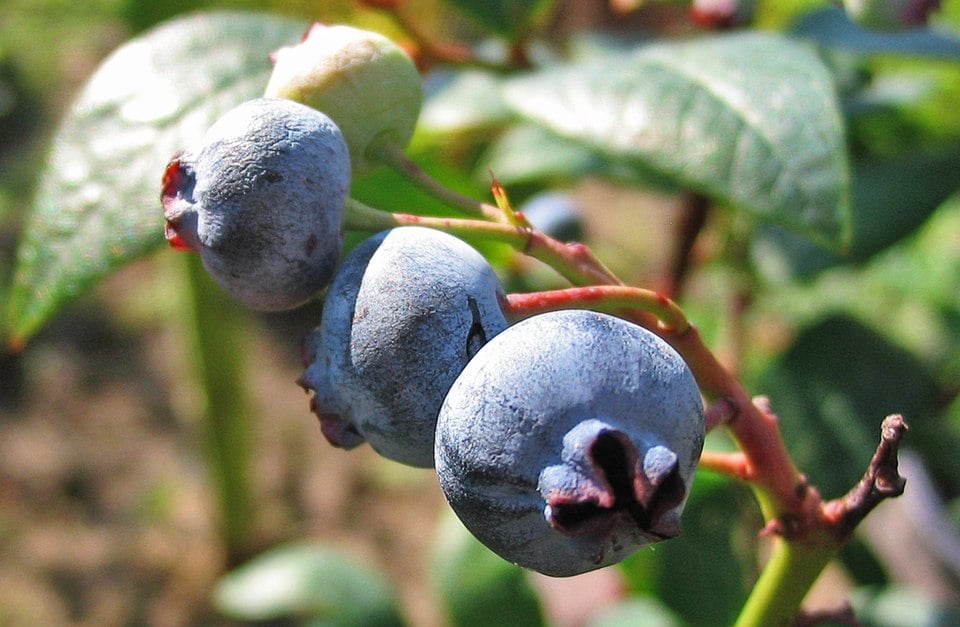
Vaccinium australe
South Eastern Highbush blueberry
Vaccinium boreale
Vaccinium bracteatum
Sea bilberry, Black rice tree, Oriental blueberry