Uvaria leptocladon subsp. septrionalis
Oliv.,Verdc.
Annonaceae Edible: Fruit
gbif· cc-by-sa
GBIF
Description
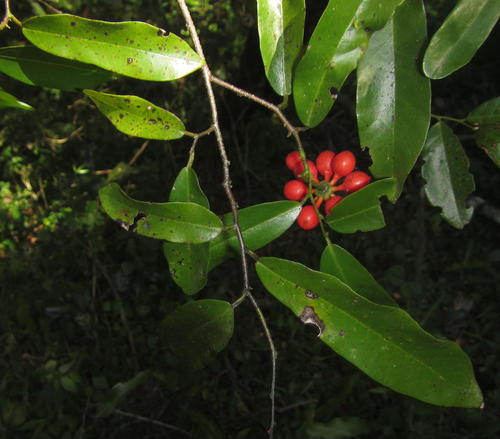
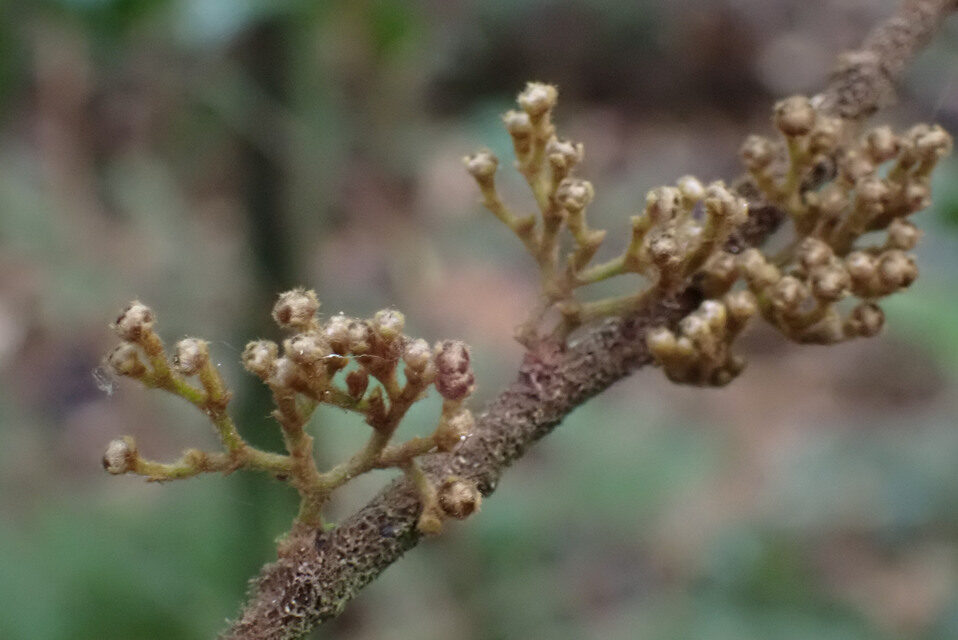
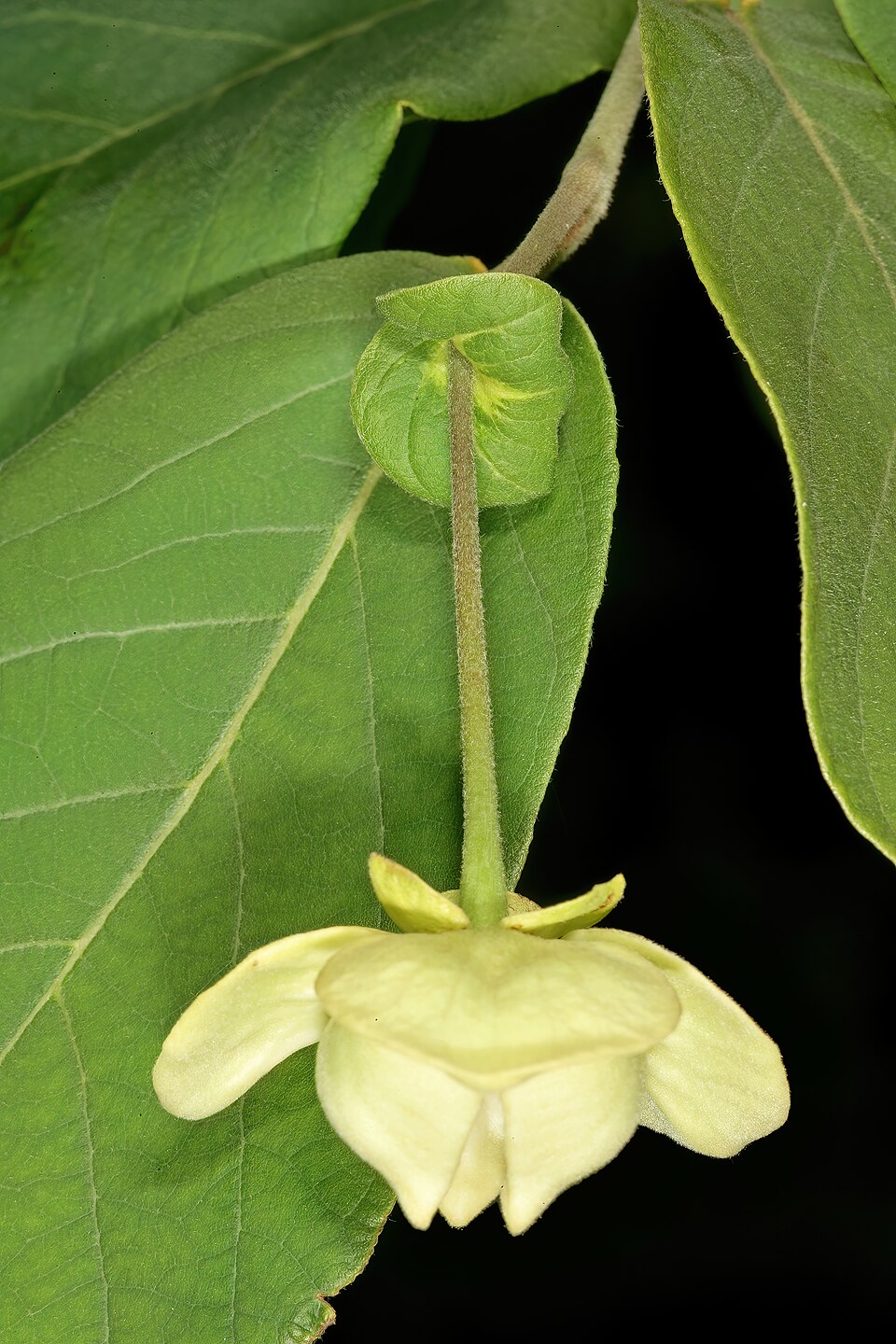
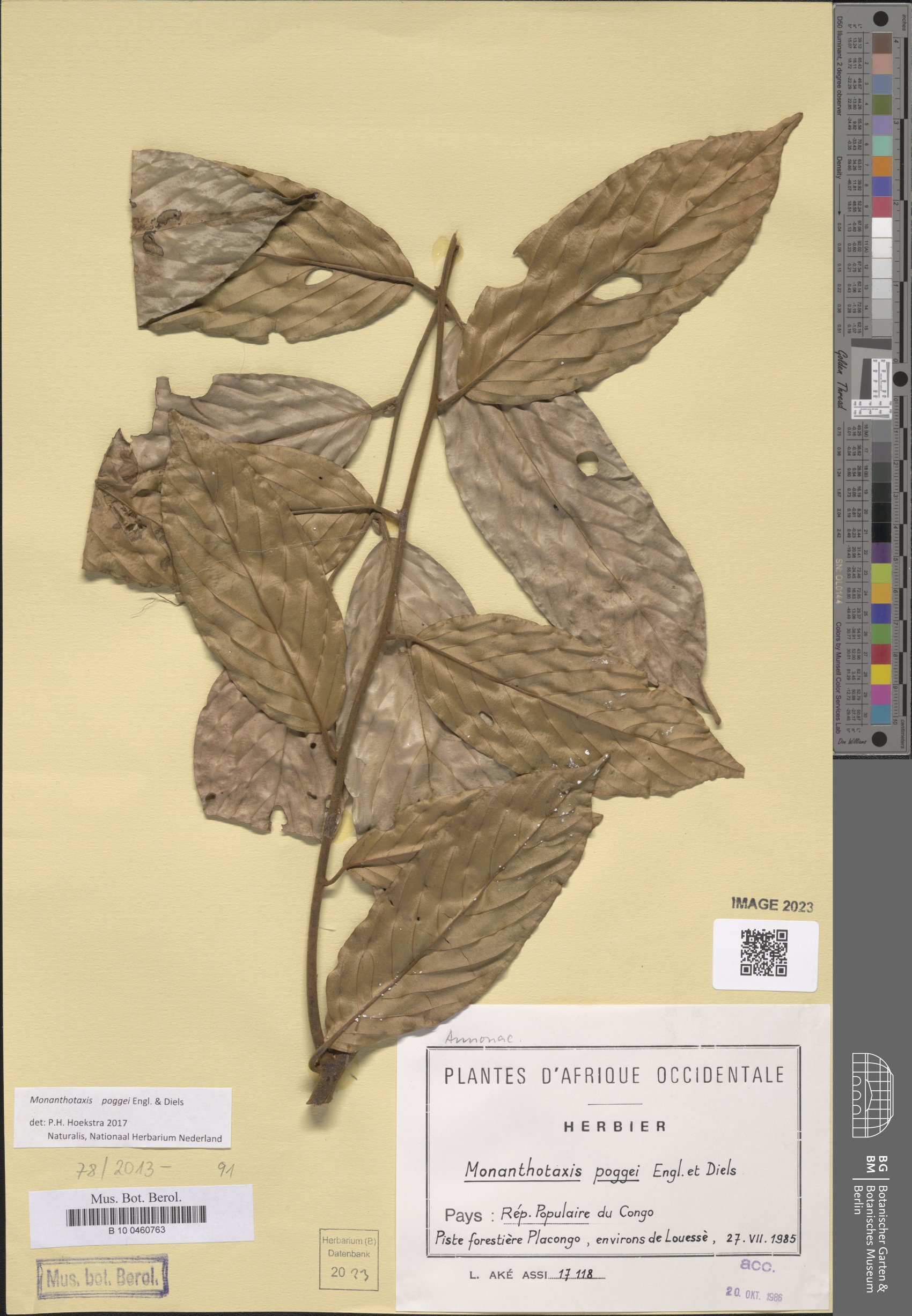
An erect shrub. It can be a climber 6 m tall. It grows 2-3 m high. The leaves are oval and 1-12 cm long by 1-4 cm wide. The flowers are cream or yellow. They occur singly or in pairs. They are opposite the leaves. The petals are 10-14 mm long. The fruit are round and 8-20 mm long by 8-11 mm wide. There are 3-9 seeds.
Edible Uses
The fruit are eaten raw.
Traditional Uses
The fruit are eaten raw.
This uses section is brief — help expand it
Distribution
A tropical plant. It grows on dry, rocky ground. It grows in lowland bush. In East Africa it grows between sea level and 1,350 m above sea level. It can grow in arid places.
Where It Grows
Africa, East Africa, Ethiopia, Kenya,
Also Known As
Chochum, Mosholole, Mulkusion, Sholole, Zebko
References (7)
- Dale, I. R. and Greenway, P. J., 1961, Kenya Trees and Shrubs. Nairobi. p 40
- Herb., E. A., 1981,
- Jardin, C., 1970, List of Foods Used In Africa, FAO Nutrition Information Document Series No 2.p 167
- Lulekal, E., et al, 2011, Wild edible plants in Ethiopia: a review on their potential to combat food insecurity. Afrika Focus - Vol. 24, No 2. pp 71-121
- Peters, C. R., O'Brien, E. M., and Drummond, R.B., 1992, Edible Wild plants of Sub-saharan Africa. Kew. p 56
Show all 7 references Hide references
- Royal Botanic Gardens, Kew (1999). Survey of Economic Plants for Arid and Semi-Arid Lands (SEPASAL) database. Published on the Internet; http://www.rbgkew.org.uk/ceb/sepasal/internet [Accessed 28th March 2011]
- Teklehaymanot, T., and Mirutse Giday, M., 2010, Ethnobotanical study of wild edible plants of Kara and Kwego semi-pastoralist people in Lower Omo River Valley, Debub Omo Zone, SNNPR, Ethiopia Journal of Ethnobiology and Ethnomedicine 2010, 6:23