Trophis racemosa
(L.) Urb.
White ramoon, Racemose breadnut
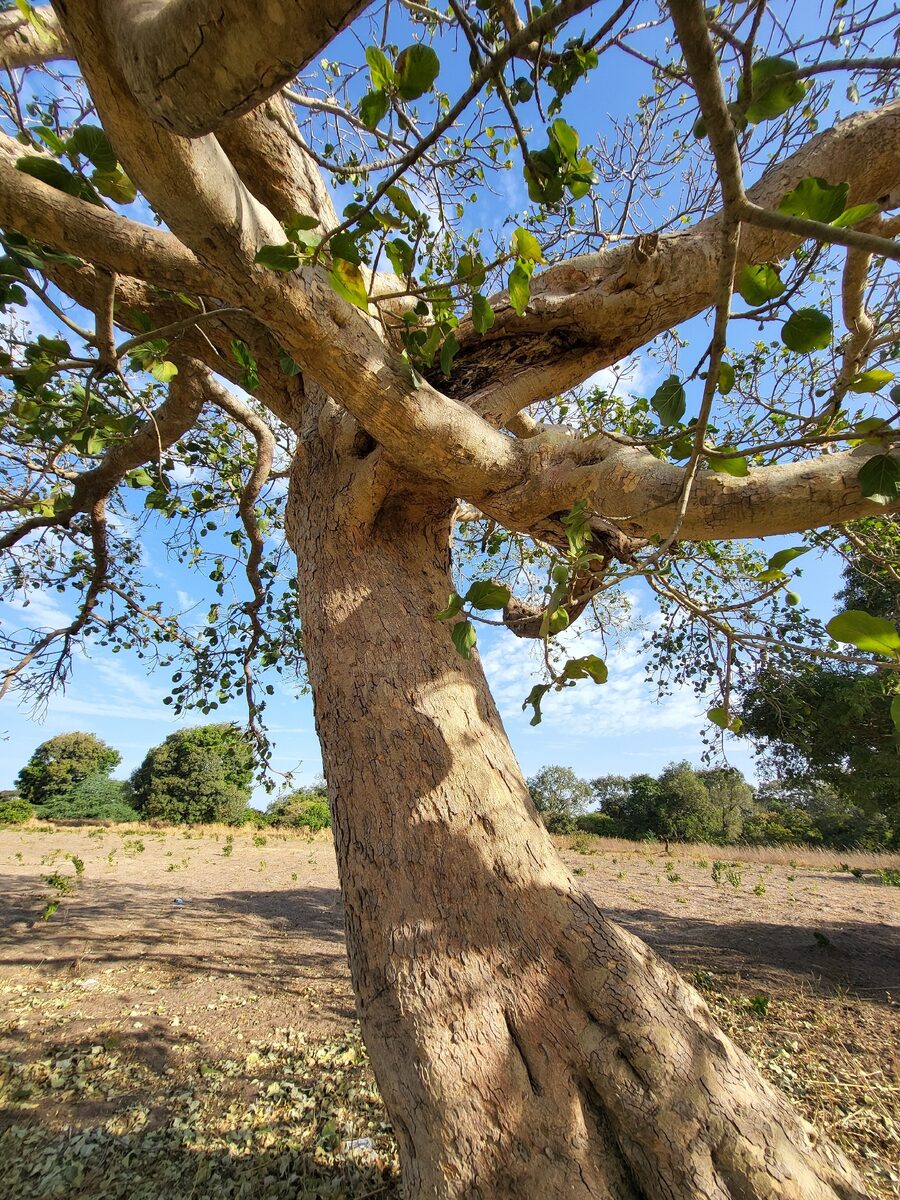
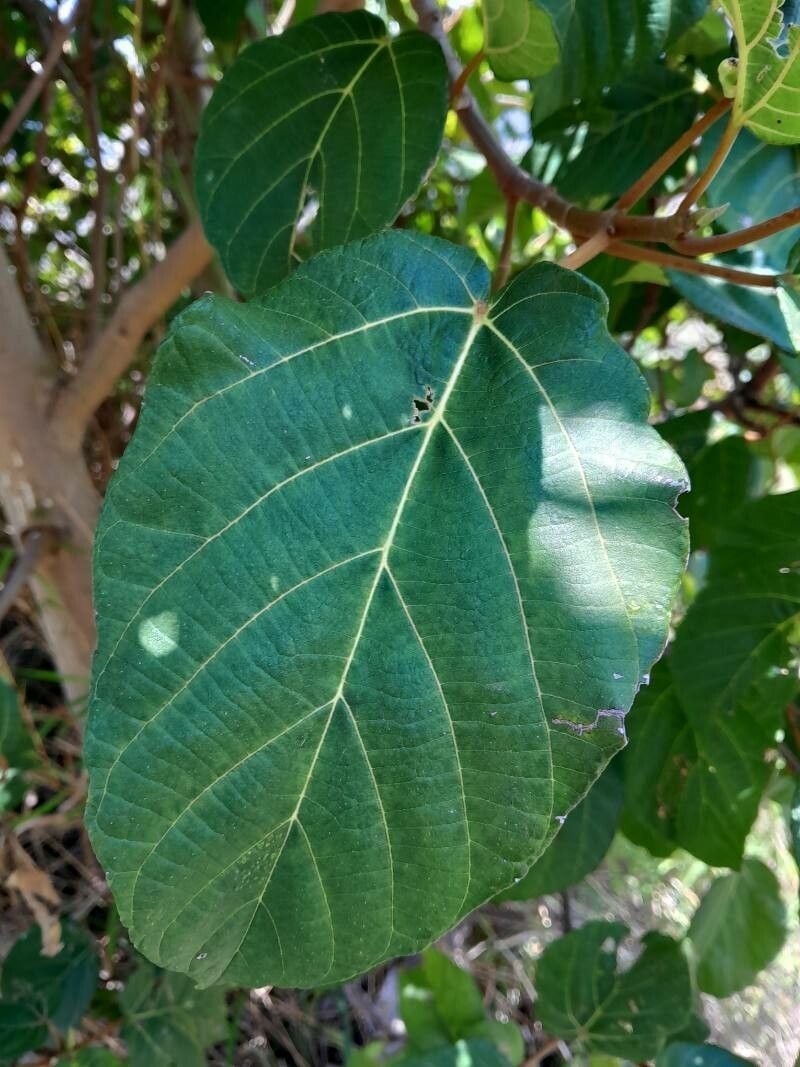
iNaturalist· cc-by-nc-sa
(c) Reinaldo Aguilar, some rights reserved (CC BY-NC-SA)
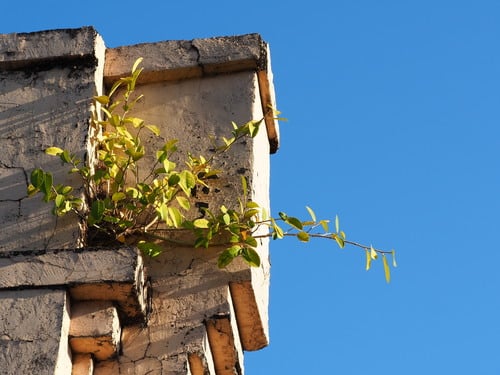
iNaturalist· cc-by-nc
(c) Juan Francisco Cruz Mejía, some rights reserved (CC BY-NC), uploaded by Juan Francisco Cruz Mejía
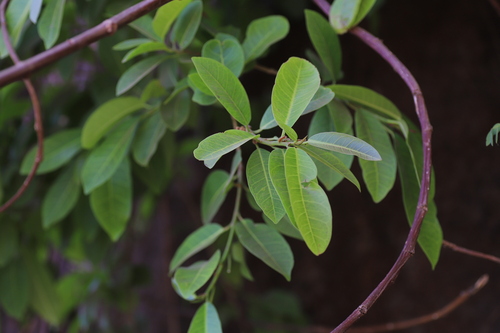
iNaturalist· cc-by-nc
(c) Luis Humberto Vicente-Rivera, some rights reserved (CC BY-NC), uploaded by Luis Humberto Vicente-Rivera
Summary
Source: WikipediaTrophis racemosa, commonly named white ramoon, is a species of plant of the fig family native to Latin America.
Description
A tree. It grows 21 m tall. The bark is smooth and grey but becomes scaly with age. It has milky sap. The leaves are alternate and narrow. The male flowers are in catkin like clusters. The female flowers are in short catkins and the male and female flowers occur on separate trees. The fruit are small and edible.
Edible Uses
The seeds are eaten cooked. The fruit pulp is eaten raw. The leaves are eaten and used for tea.
Traditional Uses
The seeds are eaten cooked. The fruit pulp is eaten raw. The leaves are eaten and used for tea.
This uses section is brief — help expand it
Distribution
A tropical plant. It grows in dry, wet and lower mountain forest.
Where It Grows
Amazon, Andes, Belize, Brazil, Caribbean, Central America, Colombia, Costa Rica, Cuba, Dominican Republic, Ecuador, El Salvador, Guatemala, Haiti, Honduras, Jamaica, Mexico, Nicaragua, North America, Panama, Peru, Puerto Rico, South America*, Venezuela, West Indies,
Notes
There are 9 Trophis species.
Synonyms
Also Known As
Balsamo, Barbarito, Campanilla, Chatchi, Chinchi, Confitura, Cuchara-caspi, Gallote, Guaimaro, Gusano, Hatupa mikuna yura, Hatupa muyu yura, Hoja tinta, Huachal, Jucite, Leche, Lechero colorado, Lechosa, Morillo, Papelillo, Pitiu, Ramon, Ramoncillo
References (22)
- Bendezu, Y. F., 2018, Arboles nativos de lad Region Ucayali. Instituto Nacional de Innovacion Agraria. p 234
- Condit, R., et al, 2011, Trees of Panama and Costa Rica. Princeton Field Guides. p 334
- Fouqué, A., 1972, Espèces fruitières d'Amérique tropicale. Institut français de recherches fruitierès outre-mer
- Grandtner, M. M., 2008, World Dictionary of Trees. Wood and Forest Science Department. Laval University, Quebec, Qc Canada. (Internet database http://www.wdt.qc.ca)
- Grandtner, M. M. & Chevrette, J., 2013, Dictionary of Trees, Volume 2: South America: Nomenclature, Taxonomy and Ecology. Academic Press p 679
Show all 22 references Hide references
- Kermath, B. M., et al, 2014, Food Plants in the Americas: A survey of the domesticated, cultivated and wild plants used for Human food in North, Central and South America and the Caribbean. On line draft. p 883
- Little, E. L., et al, 1974, Trees of Puerto Rico and the Virgin Islands. USDA Handbook 449. Forestry Service. p 144
- Lopez-Diago, D. & Garcia, N., 2021, Wild edible fruits of Colombia. Biota ColomBiana 22 (2) p 43
- Macbride, J. F., 1937, Flora of Peru, Part 2, No. 2. Field Museum of Natural History. Vol. 13, p 308
- Menninger, E.A., 1977, Edible Nuts of the World. Horticultural Books. Florida p 75
- Miguel, E., et al, 1989, A checklist of the cultivated plants of Cuba. Kulturpflanze 37. 1989, 211-357
- Piedra-Malagón, E. M., et al, 2022, Edible native plants of the Gulf of Mexico Province. Biodiversity Data Journal 10: e80565 p 26
- Plants of Haiti Smithsonian Institute http://botany.si.edu/antilles/West Indies
- Reis, S. V. and Lipp, F. L., 1982, New Plant Sources for Drugs and Foods from the New York Botanical Garden herbarium. Harvard. p 46
- Roa, J. A. G. & Boada, D. S. G., 2018, Fundación para el Fortalecimiento de la Fruticultura y Plantas Alimenticias no Convencionales en Colombia.
- Russell, T., Cutler, C., & Walters, M., 2005, The Illustrated Encyclopedia of Trees of the Americas. Lorenz Books. p 205
- Segura, S., et al, 2018, The edible fruit species in Mexico. Genet Resour Crop Evol (2018) 65:1767–1793
- Standley, P. C. & Record, S. J., 1936, The Forests and Flora of British Honduras. (Belize). p 118
- Symb. antill. 4:195. 1905
- Torre, de la, L., et al, 2008, Enciclopedia de las Plantas Útiles del Ecuador. Herbario QCA. Pontificia Universidad Católica del Ecuador. p 456
- Van den Eynden, V., et al, 2003, Wild Foods from South Ecuador. Economic Botany 57(4): 576-603
- World Checklist of Useful Plant Species 2020. Royal Botanic Gardens, Kew