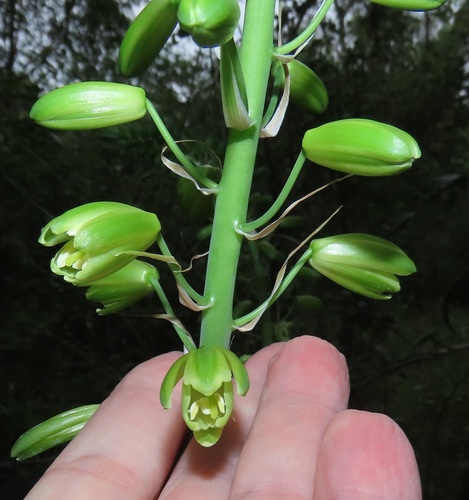
Triteleia grandiflora
Lindl.
Wild hyacinth
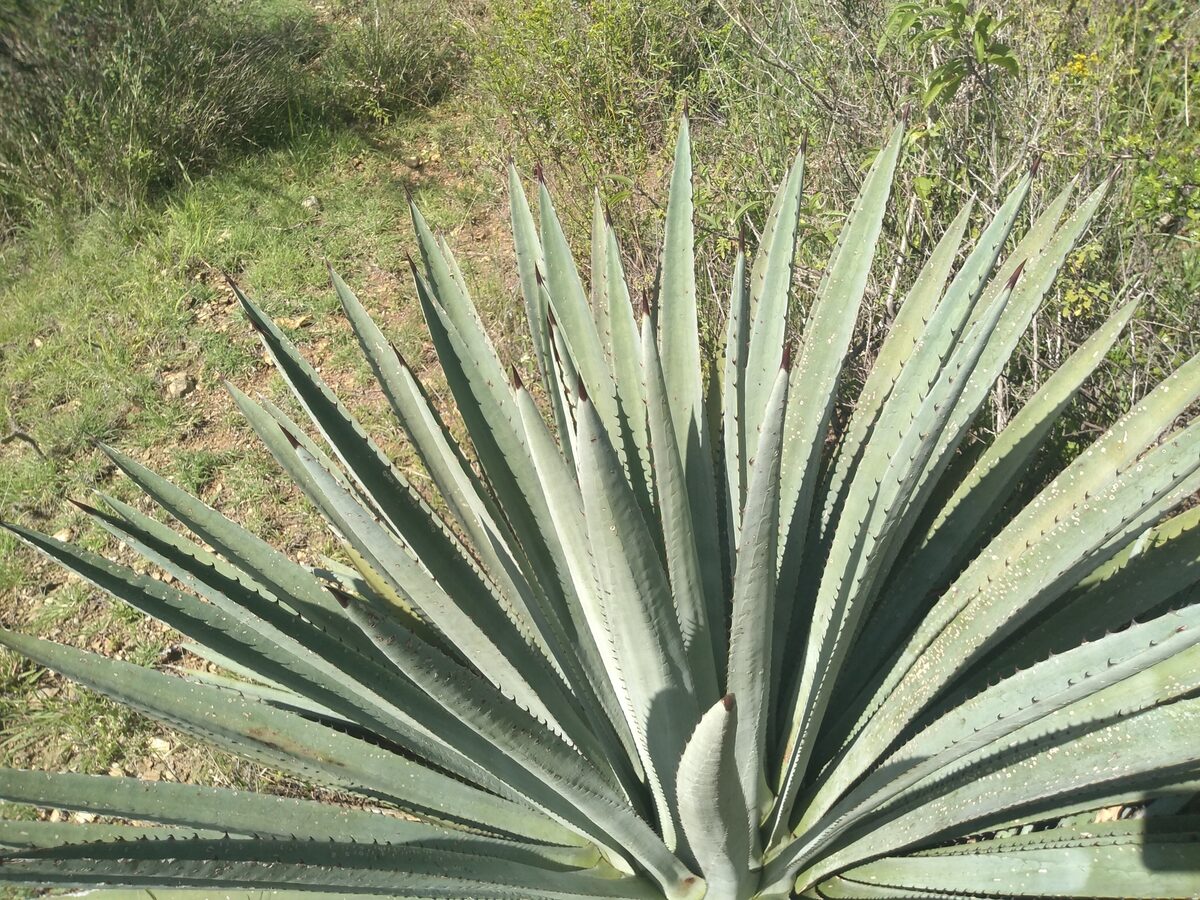
iNaturalist· cc-by-nc
(c) Stanley Wood, some rights reserved (CC BY-NC), uploaded by Stanley Wood
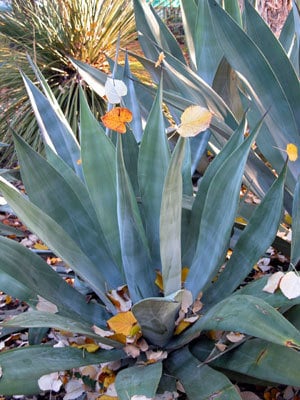
iNaturalist· cc-by-nc
(c) Jeremy Gatten, some rights reserved (CC BY-NC), uploaded by Jeremy Gatten
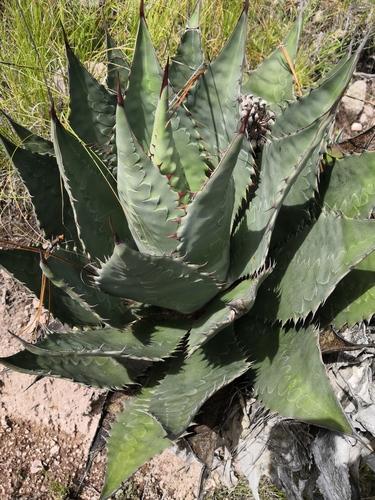
iNaturalist· cc-by-nc
(c) Peri Lee Pipkin, some rights reserved (CC BY-NC), uploaded by Peri Lee Pipkin
Summary
Source: WikipediaTriteleia grandiflora is a species of flowering plant known by the common names largeflower triteleia, largeflower tripletlily, and wild hyacinth.
Description
An onion family plant. It is a clumping herb that keeps growing from year to year. The corms are round and straw coloured. It grows 30-60 cm high and spreads 20-30 cm wide. The leaves are fine, flattened and grass-like. The flower stems are wiry. The flowers are funnel shaped and blue, mauve or white. They are in heads. The flowers have widely flared lobes.
Edible Uses
The bulb is eaten raw or cooked, has a sweet, nut-like flavour, and can be used like potatoes. Some consider them the tastiest of the North American edible bulbs. They are at their best when slow roasted for an hour, at which point they become quite sweet. The young seedpods can also be cooked as a potherb and make an excellent green.
Traditional Uses
The corms can be eaten raw but are better cooked. The boiled corms can be dried and stored. The young seed pods can be eaten raw or cooked as a vegetable.
Medicinal Uses
None known
Distribution
It is a temperate plant. It grows in grasslands and deserts and also in Ponderosa pine woodlands. It can grow in arid places. It suits hardiness zones 5-9.
Where It Grows
Australia, Canada, North America, USA,
Cultivation
Requires a rich well-drained sandy loam. Likes plenty of moisture whilst in growth followed by a warm dry period in late summer and autumn. Succeeds outdoors in a very sheltered warm position. Plants grow in patches in the wild and these can cover considerable areas. Ephemeral emerging in spring and dying back by summer every year.
Propagation
Seed is best sown as soon as it is ripe in a cold frame, though it can also be sown in spring in a cold frame. Germination usually takes place within 1–3 months at 15°c. Sow thinly to avoid the need for pricking out and grow seedlings on in their pot for the first year, giving occasional liquid feeds to prevent mineral deficiency. Seedlings are prone to damping off, so avoid overwatering and keep them well ventilated. When dormant, pot up the small bulbs placing about 3 per pot and grow on in the greenhouse for another year or two until bulbs reach about 20mm in diameter, then plant out into permanent positions when dormant in autumn. Flowering-size bulbs can be divided in autumn — dig up clumps and replant larger bulbs directly into permanent positions. Smaller bulbs are best potted up and grown on in a greenhouse for a year before planting out when dormant in early autumn.
Other Uses
None known Special Uses Food Forest
Production
The plants are marked while the leaves are still growing then the corms harvested later.
Notes
There are 15 Triteleia species. Also put in the family Alliaceae.
Synonyms
Also Known As
Cluster lily, Douglas's triteleia, Fire-cracker flower, Fool's onion, Howell's triteleia, Large-flowered tritelia
References (10)
- Beckstrom-Sternberg, Stephen M., and James A. Duke. "The Foodplant Database." http://probe.nalusda.gov:8300/cgi-bin/browse/foodplantdb.(ACEDB version 4.0 - data version July 1994)
- Cundall, P., (ed.), 2004, Gardening Australia: flora: the gardener's bible. ABC Books. p 1432
- Facciola, S., 1998, Cornucopia 2: a Source Book of Edible Plants. Kampong Publications, p 7 (As Brodiaea)
- Jackes, D. A., 2007, Edible Forest Gardens
- Kermath, B. M., et al, 2014, Food Plants in the Americas: A survey of the domesticated, cultivated and wild plants used for Human food in North, Central and South America and the Caribbean. On line draft. p 879
Show all 10 references Hide references
- Lim, T. K., 2015, Edible Medicinal and Non Medicinal Plants. Volume 9, Modified Stems, Roots, Bulbs. Springer p 18
- MacKinnon, A., et al, 2009, Edible & Medicinal Plants of Canada. Lone Pine. p 191
- Moerman, D. F., 2010, Native American Ethnobotany. Timber Press. p 569
- Stromberg, M. R. et al, California Grasslands: Ecology and Management. p 63 (As Brodiaea douglasii)
- Turner, N., 1997, Food Plants of Interior First Peoples. Royal BC Museum Handbook p 63 (As Brodiaea)