Trigonotis peduncularis
(Trevir.) Benth.
Cucumber Herb
iNaturalist· cc-by-nc
(c) Stargazer, some rights reserved (CC BY-NC)
iNaturalist· cc-by-nc
(c) Stargazer, some rights reserved (CC BY-NC)
iNaturalist· cc-by-nc
(c) Hikaru Yamashita, some rights reserved (CC BY-NC)
Summary
Low-growing annual or biennial herb reaching 0.2m (0ft 8in) with hermaphrodite flowers. Adapts to light sandy, medium loamy, and heavy clay soils with mildly acidic to basic pH. Grows in semi-shade or full sun and prefers moist conditions.
Description
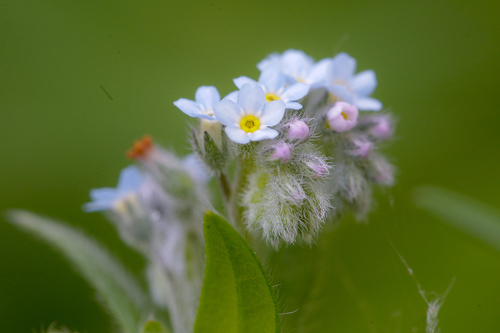
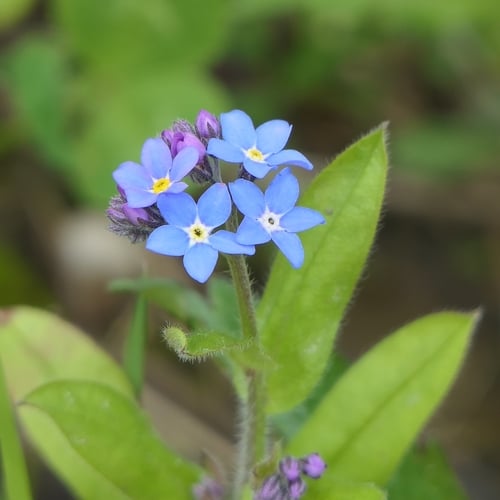
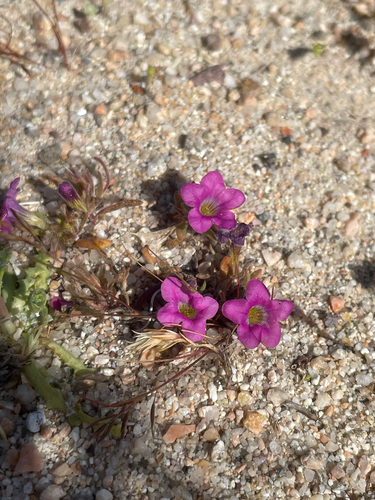
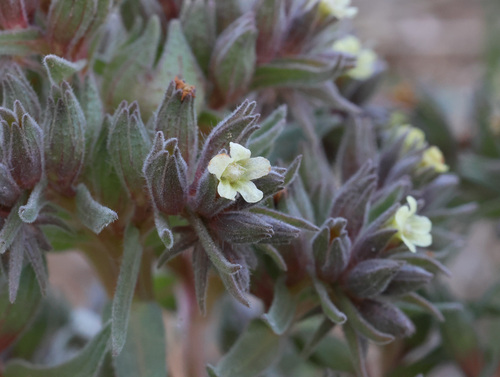
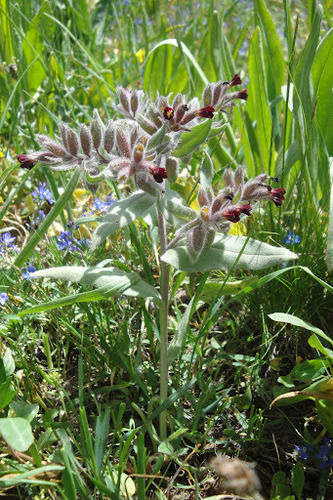
A herb. It grows for one or two years. There are several stems. They are branched at the base. It grows 5-30 cm tall. The leaves at the base are in a ring. They are spoon shaped and 2-5 cm long. The leaves on the stem do not have leaf stalks. The flowers are at the top of the plant. The lowest 2 flowers have leaf like bracts. The flowers are light blue or pink. The fruit are nutlets that are 3 or 4 sided.
Edible Uses
Young leaves are cooked. This plant is considered an emergency food, used only when other options have been exhausted.
Traditional Uses
Young plants are eaten. Young shoots and leaves are eaten. The flowers and stems are fried.
This uses section is brief — help expand it
Medicinal Uses
The plant is diuretic and emollient. It is also used in the treatment of diarrhoea and dysentery.
Distribution
It is a temperate plant. It grows on hillsides and waste areas. In Yunnan.
Where It Grows
Asia, China, Europe, Japan, Korea, Manchuria, Tibet,
Propagation
No specific information is available for this species. It is suggested to sow seed in a cold frame in spring, prick out seedlings into individual pots as soon as they are large enough to handle, and plant out during summer if sufficiently developed. If not, grow on in the greenhouse through the first winter and plant out in early summer the following year. A direct sowing in situ is also worth trying.
Other Uses
None known.
Synonyms
Also Known As
Chi Ch'Ang Ts'Ao , Forget-me-not, Fu Di Cai
References (6)
- BARANOV,
- Ghorbani, A., et al, 2012, A comparison of the wild food plant use knowledge of ethnic minorities in Naban River Watershed Nature Reserve, Yunnan, SW China. Journal of Ethnobiology and Ethnomedicine; 8:17
- Hwang, H., et al, 2013, A Study on the Flora of 15 Islands in the Western Sea of Jeollanamdo Province, Korea. Journal of Asia-Pacific Biodiversity Vol. 6, No. 2 281-310
- Plants for a Future database, The Field, Penpol, Lostwithiel, Cornwall, PL22 0NG, UK. http://www.scs.leeds.ac.uk/pfaf/
- READ, (As Eritrichium pedunculare)
Show all 6 references Hide references
- Zhu Ge-ling; Harald Riedl, Rudolf Kamelin, BORAGINACEAE, Flora of China