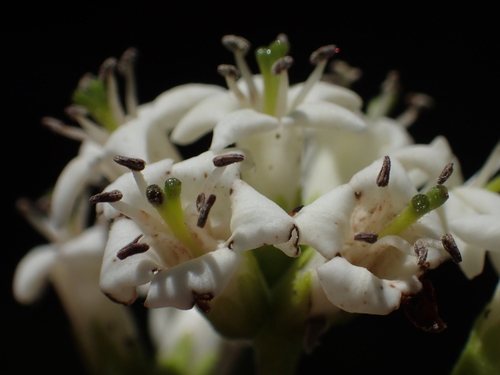
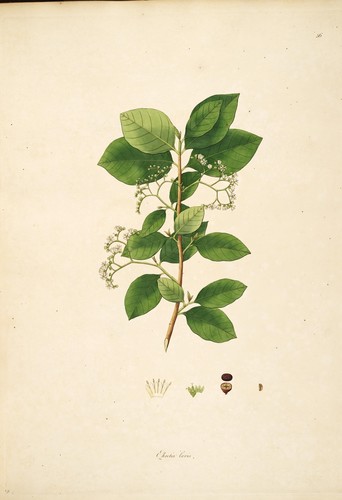
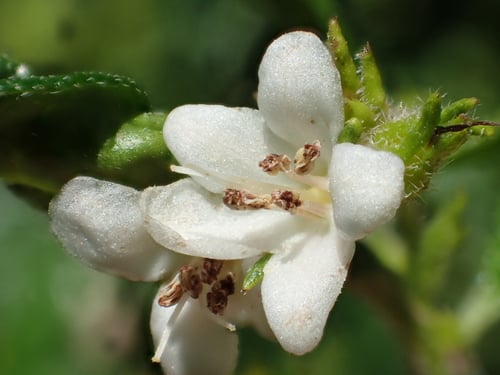
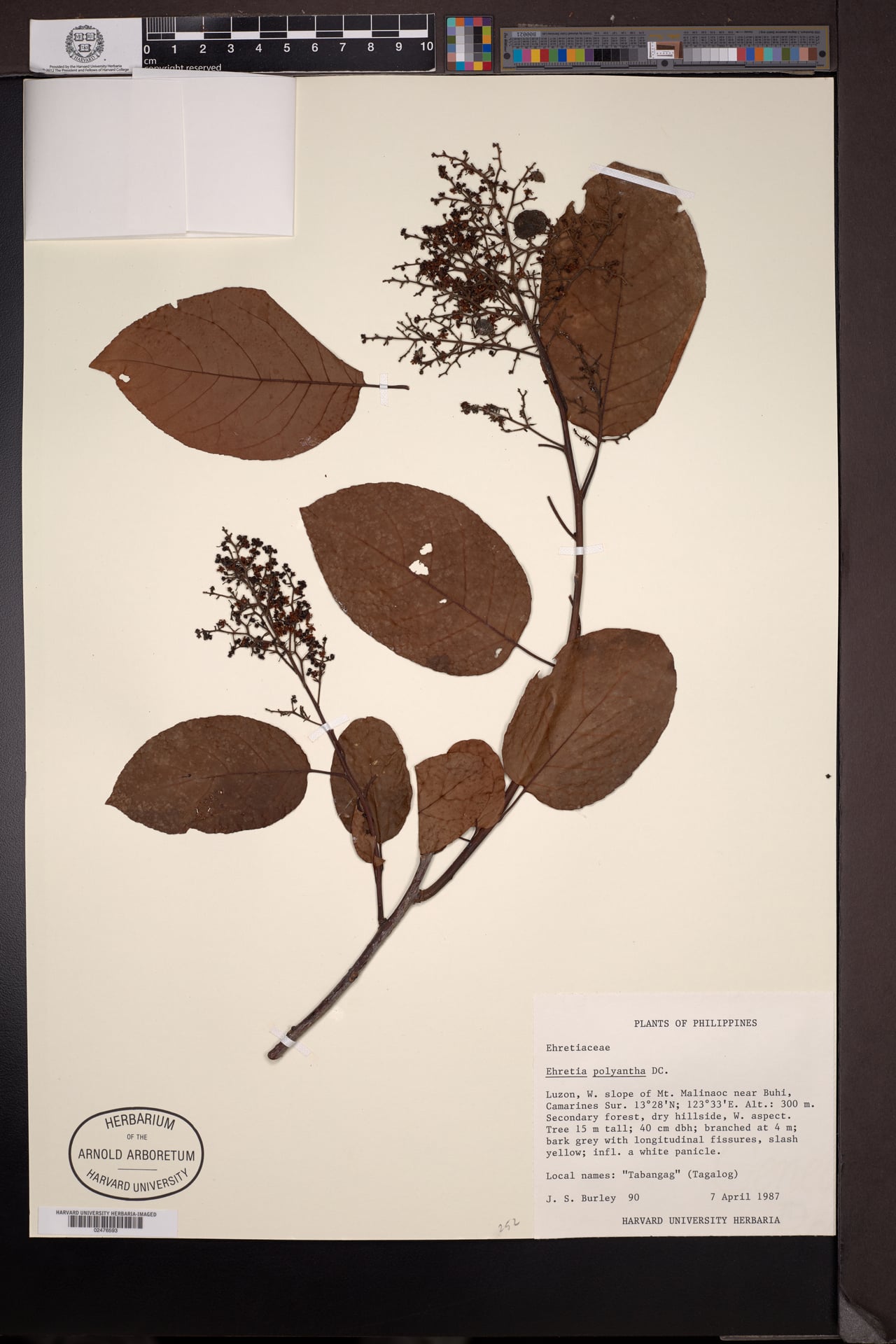
Trigonotis icumae
(Maxim.) Makino
gbif· cc0
Royal Botanic Garden Edinburgh
gbif· cc0
Royal Botanic Garden Edinburgh
gbif· cc0
Royal Botanic Garden Edinburgh
Summary
Low-growing perennial reaching 0.2m (0ft 8in) with hermaphrodite flowers blooming June to July. Tolerates light sandy, medium loamy, and heavy clay soils with mildly acidic to basic pH. Grows in semi-shade conditions or full sun. Prefers moist soil.
Description
Low-growing perennial reaching 0.2m (0ft 8in) with hermaphrodite flowers blooming June to July. Tolerates light sandy, medium loamy, and heavy clay soils with mildly acidic to basic pH. Grows in semi-shade conditions or full sun. Prefers moist soil.
Edible Uses
Young leaves are harvested and cooked.
Medicinal Uses
None known.
Distribution
It is a temperate plant.
Where It Grows
Asia, Japan, Korea,
Propagation
No specific information is available for this species. It is suggested to sow seed in a cold frame in spring, prick out seedlings into individual pots as soon as they are large enough to handle, and plant out during summer if sufficiently developed. If not, grow on in the greenhouse through the first winter and plant out in early summer the following year.
Other Uses
None known.
References (1)
- Plants for a Future