Trigonella occulta
Ser.
Fabaceae Edible: Leaves, Pods
gbif· cc-by
Meise Botanic Garden
gbif· cc-by
Royal Botanic Gardens, Kew
gbif· cc-by
Royal Botanic Gardens, Kew
Description
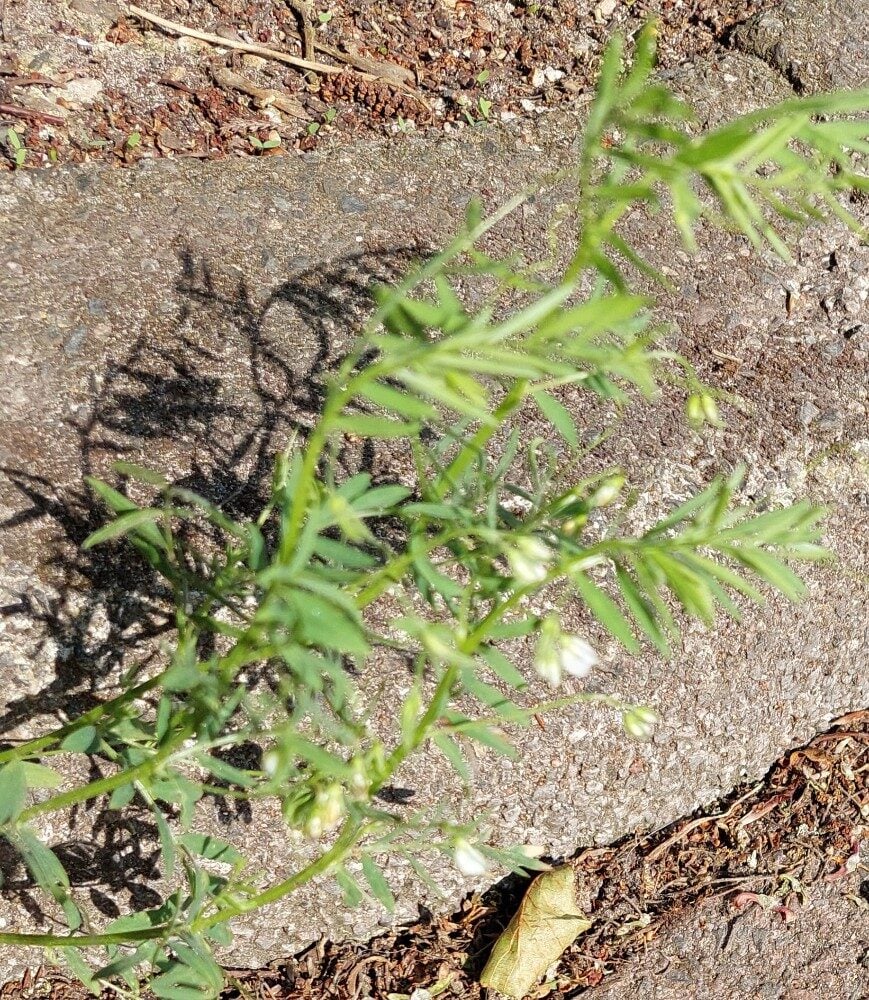
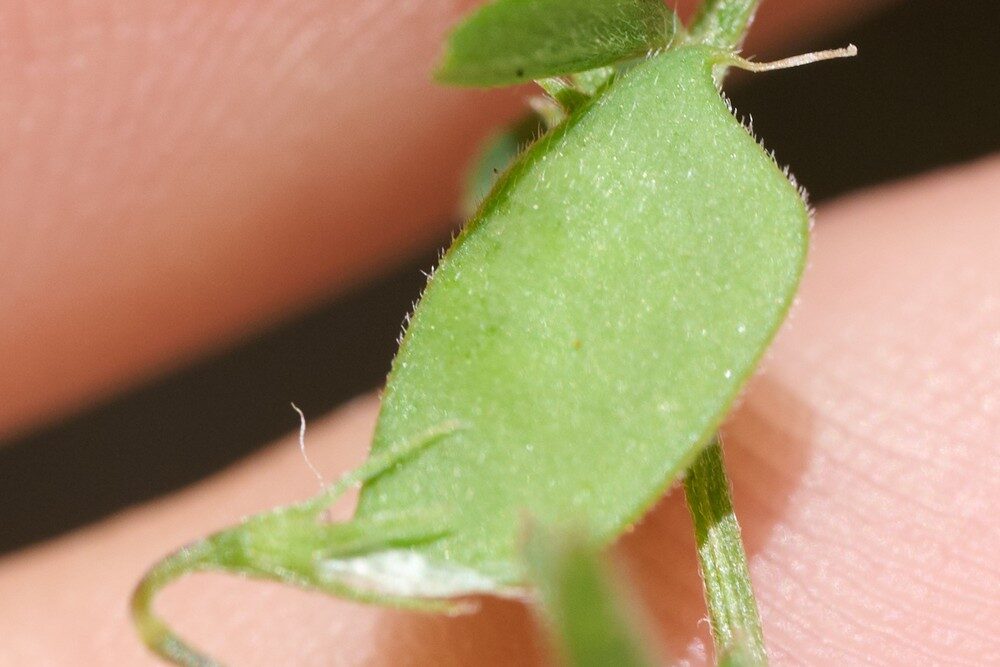
An annual herb. It is densely branched. The leaves have 3 leaflets. The leaflets are 4.5-6.5 mm long and are broadly wedge shaped. They have teeth. There are a few silky hairs underneath. The flowers occur as 2-4 in clusters in the axils of leaves. The fruit are 3.5-4 mm long. They are white and have 1-2 seeds.
Edible Uses
Fresh plants are used as a pot-herb; the leaves and pods are eaten.
Traditional Uses
The freshly gathered plants are used as a pot-herb.
This uses section is brief — help expand it
Distribution
A tropical plant. It can grow in arid places.
Where It Grows
Africa, Asia, Egypt, India, North Africa, Pakistan, Sudan,
Also Known As
Ranmethi
References (7)
- Ambasta, S.P. (Ed.), 2000, The Useful Plants of India. CSIR India. p 652
- Descr. Egypte, Hist. Nat. Tom. Second 71.
- Flora of Pakistan. www.eFloras.org
- Jardin, C., 1970, List of Foods Used In Africa, FAO Nutrition Information Document Series No 2.p 107
- Martin, F.W. & Ruberte, R.M., 1979, Edible Leaves of the Tropics. Antillian College Press, Mayaguez, Puerto Rico. p 201
Show all 7 references Hide references
- Royal Botanic Gardens, Kew (1999). Survey of Economic Plants for Arid and Semi-Arid Lands (SEPASAL) database. Published on the Internet; http://www.rbgkew.org.uk/ceb/sepasal/internet [Accessed 29th April 2011]
- Terra, G.J.A., 1973, Tropical Vegetables. Communication 54e Royal Tropical Institute, Amsterdam, p 80