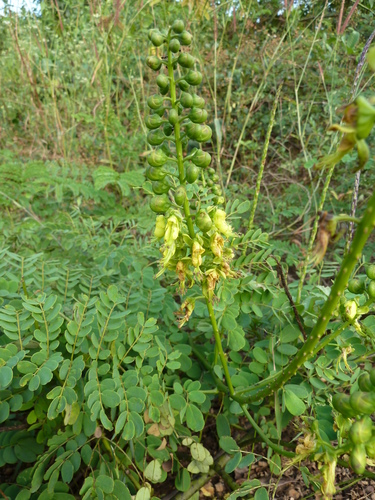
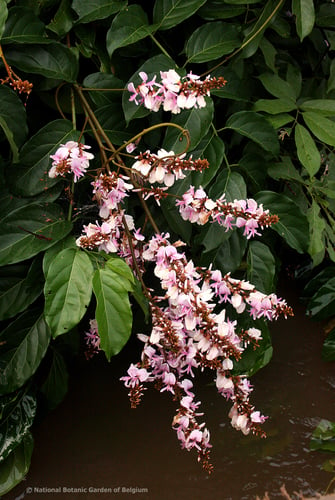
Trifolium macrocephalum
(Pursh) Poir.
Bighead clover
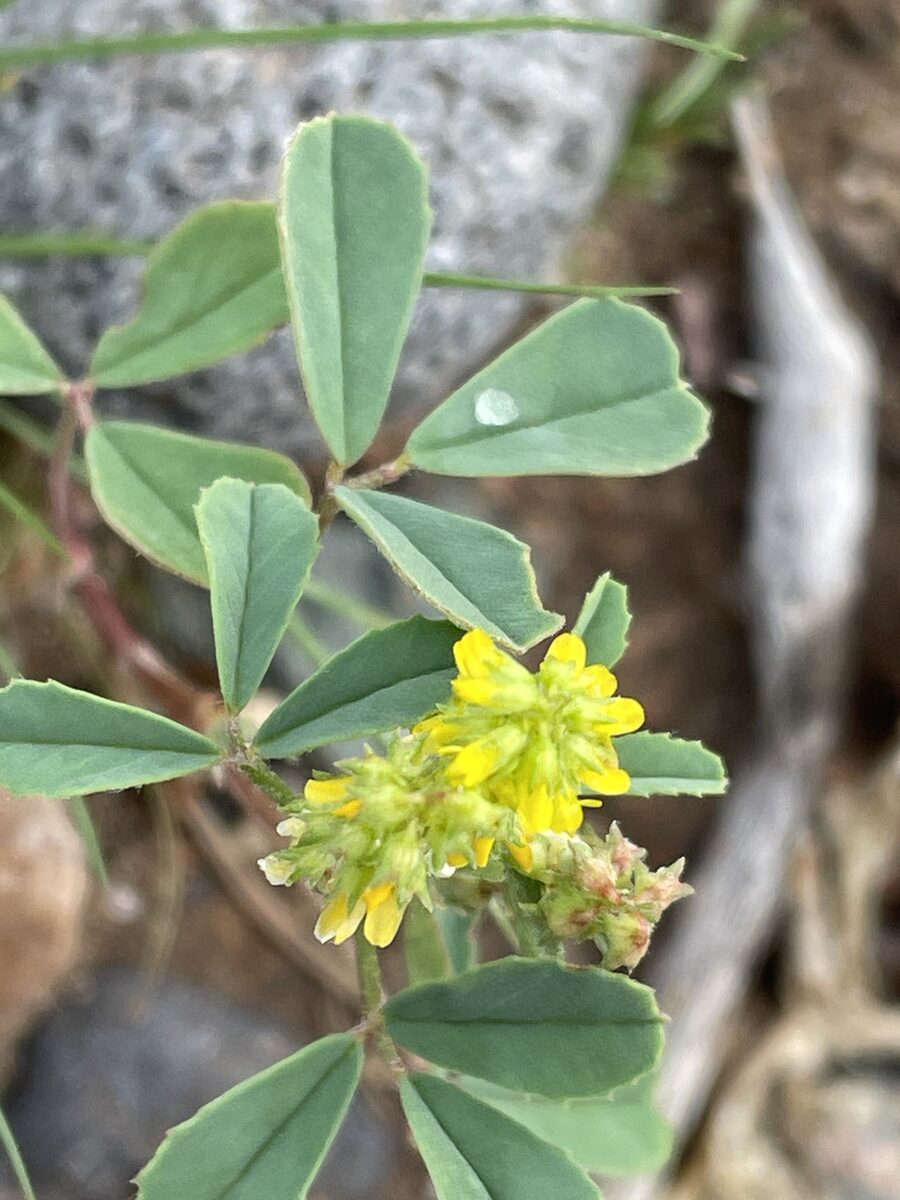
iNaturalist· cc-by-nc
(c) Miranda, some rights reserved (CC BY-NC), uploaded by Miranda
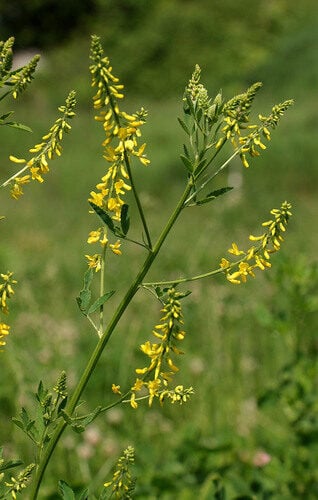
iNaturalist· cc-by-nc
(c) winstonthewhale, some rights reserved (CC BY-NC)
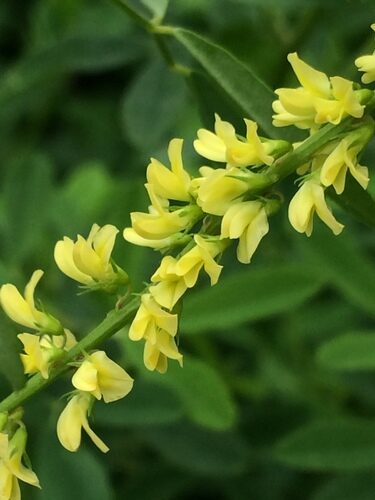
iNaturalist· cc-by-nc
(c) Kayla Forgey, some rights reserved (CC BY-NC), uploaded by Kayla Forgey
Summary
Source: WikipediaTrifolium macrocephalum is a species of clover known by the common name largehead clover or bighead clover native to the Great Basin region of the western United States.
Description
A compact perennial clover growing to 0.3 m tall and hardy to UK zone 4. Hermaphroditic and insect-pollinated with nitrogen-fixing abilities. Adapts to light sandy, medium loamy, and heavy clay soils with preference for well-drained soil and ability to grow in poor soil. Suitable for mildly acid, neutral, and mildly alkaline conditions. Needs full sun and moist soil.
Edible Uses
The leaves are cooked and used as a green vegetable.
Medicinal Uses
None known.
Distribution
It is a temperate plant.
Where It Grows
North America, USA,
Propagation
Pre-soak seed for 12 hours in warm water, then sow in spring in situ. If seed is scarce, sow in pots in a cold frame instead. Prick seedlings out into individual pots once large enough to handle, and plant out in late spring. Can also be propagated by division in spring.
Other Uses
Functions as a dynamic accumulator and nitrogen fixer.
Notes
There are about 240 Trifolium species. They are mostly temperate.
Also Known As
Poziidapy