Trifolium amabile
H. B. Kunth
Aztec Clover
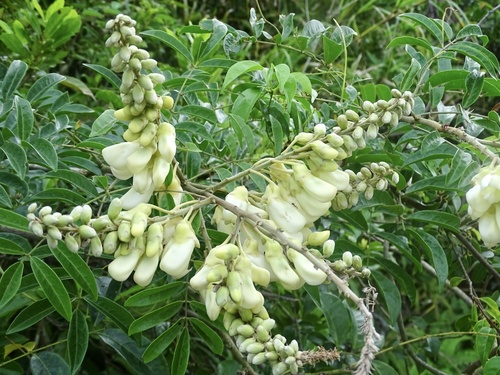
iNaturalist· cc-by-nc
(c) mvz-juangonzalezromero, some rights reserved (CC BY-NC), uploaded by mvz-juangonzalezromero
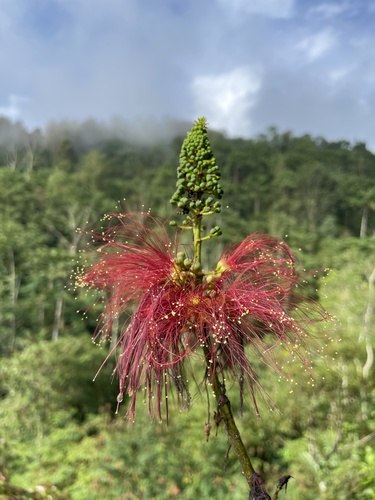
iNaturalist· cc-by-nc
(c) Bodo Nuñez Oberg, some rights reserved (CC BY-NC)
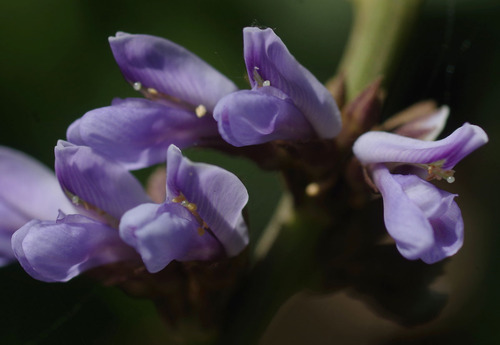
iNaturalist· cc-by
(c) Alexis López Hernández, some rights reserved (CC BY)
Description
A perennial herb in the Fabaceae family, native to subtropical regions including the Vilcanota Valley and Argentina, where it grows from sea level to 1,000 m altitude.
Edible Uses
When the native Indians in Peru are fasting, this herb is mixed with a little white maize (Zea mays) and some other plants, then eaten. The mixture is called 'Chucan'.
Traditional Uses
The leaves are cooked and eaten in soups etc.
This uses section is brief — help expand it
Distribution
A subtropical plant. Vilcanota Valley. In Argentina it grows from sea level to 1,000 m above sea level.
Where It Grows
Argentina, Bolivia, Central America, Colombia, Costa Rica, Mexico, Nicaragua, Peru, South America*,
Cultivation
A plant of higher elevations in the tropics. The plant grows in the wild on moist, sandy soils. This species has a symbiotic relationship with certain soil bacteria, these bacteria form nodules on the roots and fix atmospheric nitrogen. Some of this nitrogen is utilized by the growing plant but some can also be used by other plants growing nearby.
Notes
There are about 240 Trifolium species. They are mostly temperate.
Synonyms
Also Known As
Chicmu, Layu, Trebol, Trevo
References (6)
- Bremness, L., 1994, Herbs. Collins Eyewitness Handbooks. Harper Collins. p 273
- GADE,
- Hensen, I., 1992, La Flora de la Comunidad Chorojo, Su uso, taxonomía científica y vernacular. Agroecología Universidad Cochabamba p 23
- F. W. H. A. von Humboldt et al., Nov. gen. sp. 6:393[folio]; 6:503[quarto], t. 593. 1824
- Kermath, B. M., et al, 2014, Food Plants in the Americas: A survey of the domesticated, cultivated and wild plants used for Human food in North, Central and South America and the Caribbean. On line draft. p 874
Show all 6 references Hide references
- Kew Plants of the World On line