Trifolium ornithopodioides
(L.) Sm.
Bird Clover, Birdsfoot fenugreek, English fenugreek
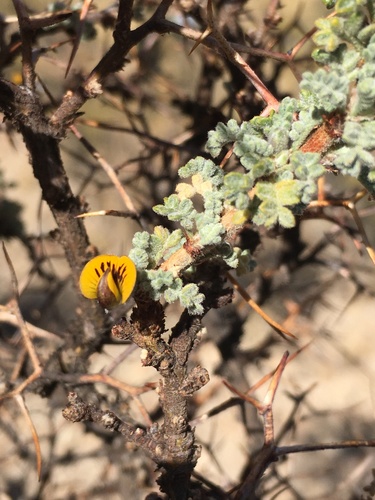
iNaturalist· cc-by-nc
(c) Emorsgate Seeds, some rights reserved (CC BY-NC)
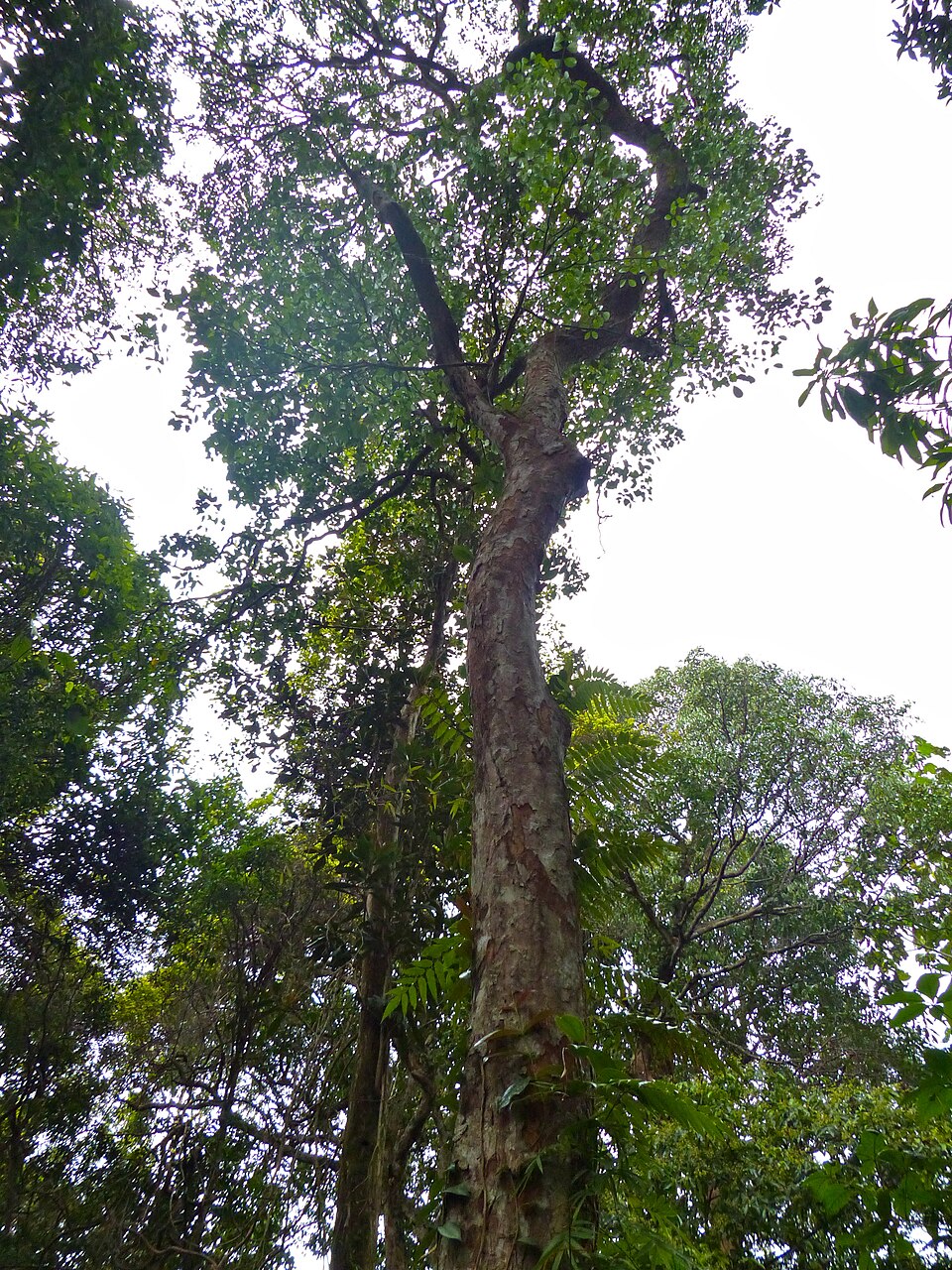
iNaturalist· cc-by-nc-nd
(c) Melissa Hutchison, some rights reserved (CC BY-NC-ND), uploaded by Melissa Hutchison
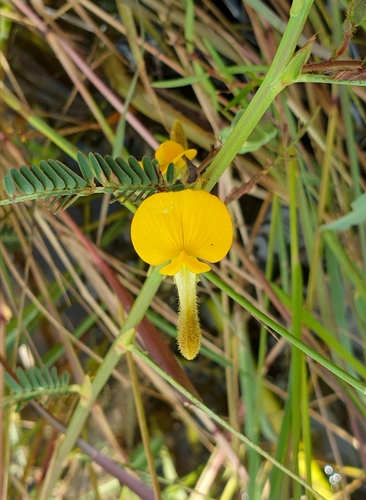
iNaturalist· cc-by-nc-nd
(c) Melissa Hutchison, some rights reserved (CC BY-NC-ND), uploaded by Melissa Hutchison
Summary
Source: WikipediaTrifolium ornithopodioides, or the bird's foot clover, is a species of flowering plant in the family Fabaceae. It is native to Europe, Madeira, and northwestern Africa, and has been introduced to Australia and New Zealand. It is a halophyte.
Description
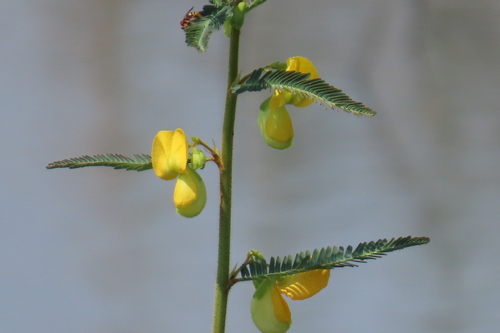
A hairless short lived herb. The leaves are made up of 3 leaflets. They are 10 mm long. They are broadly wedge shaped. The flowers are creamy pink. They are in clusters on short stalks. They are in the axils of leaves.
Edible Uses
The leaves can be eaten raw or cooked. When dried, they take on a coumarin scent and have been suggested as a substitute for fenugreek (Trigonella foenum-graecum).
Traditional Uses
The dried leaves have been used as a substitute for fenugreek.
This uses section is brief — help expand it
Medicinal Uses
None known
Distribution
It is a temperate plant. Tasmania Herbarium.
Where It Grows
Africa, Australia, Britain, Europe, North Africa, Tasmania,
Propagation
Pre-soak seed for 12 hours in warm water, then sow in spring in situ. If seed is scarce, sow in pots in a cold frame instead. Prick seedlings out into individual pots when large enough to handle, and plant out in late spring. Can also be propagated by division in spring.
Other Uses
Functions as a dynamic accumulator and nitrogen fixer.
Notes
There are about 240 Trifolium species. They are mostly temperate.
Synonyms
References (7)
- Facciola, S., 1998, Cornucopia 2: a Source Book of Edible Plants. Kampong Publications, p 111
- Harris, S., Buchanan, A., Connolly, A., 2001, One Hundred Islands: The Flora of the Outer Furneaux. Tas Govt. p 241
- Hussey, B.M.J., Keighery, G.J., Cousens, R.D., Dodd, J., Lloyd, S.G., 1997, Western Weeds. A guide to the weeds of Western Australia. Plant Protection Society of Western Australia. p 162
- Paczkowska, G . & Chapman, A.R., 2000, The Western Australian Flora. A Descriptive Calatogue. Western Australian Herbarium. p 452
- Plants for a Future database, The Field, Penpol, Lostwithiel, Cornwall, PL22 0NG, UK. http://www.scs.leeds.ac.uk/pfaf/
Show all 7 references Hide references
- Sp. pl. 2:766. 1753
- Tasmanian Herbarium Vascular Plants list p 32