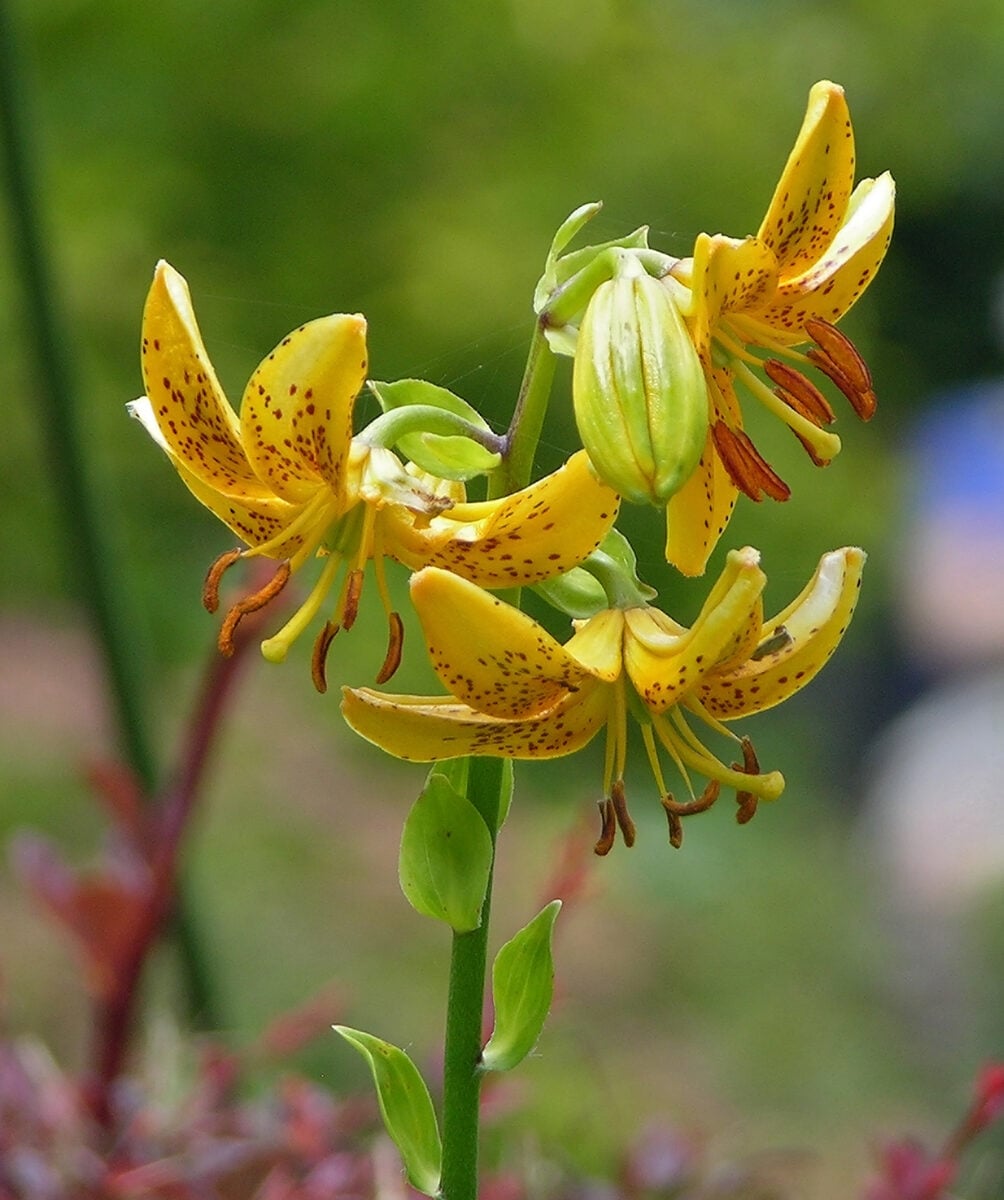
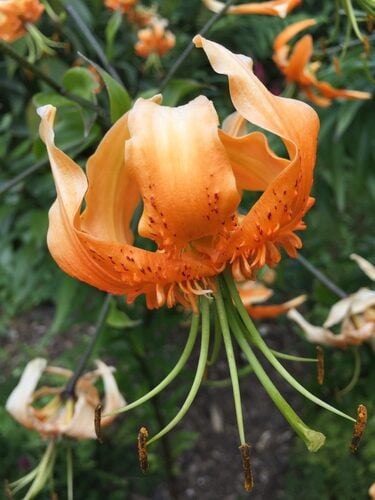
Tricyrtis hirta
(Thunb.) Hook.
Toad lily, Hairy toad lily
iNaturalist· cc-by-sa
(c) Aka, some rights reserved (CC BY-SA)
iNaturalist· cc-by-nc
(c) tferullo, some rights reserved (CC BY-NC)
iNaturalist· cc-by-nc
(c) Jessica Tate, some rights reserved (CC BY-NC), uploaded by Jessica Tate
Summary
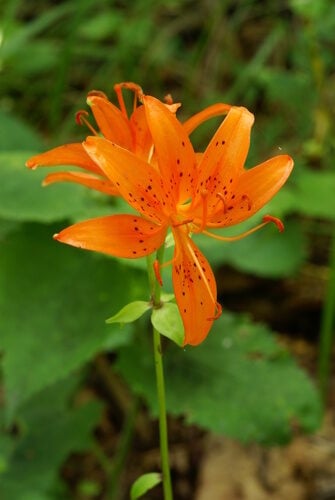
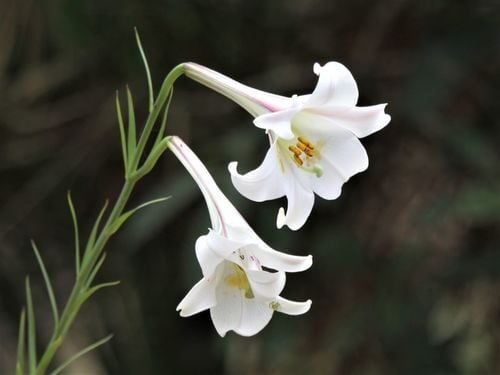
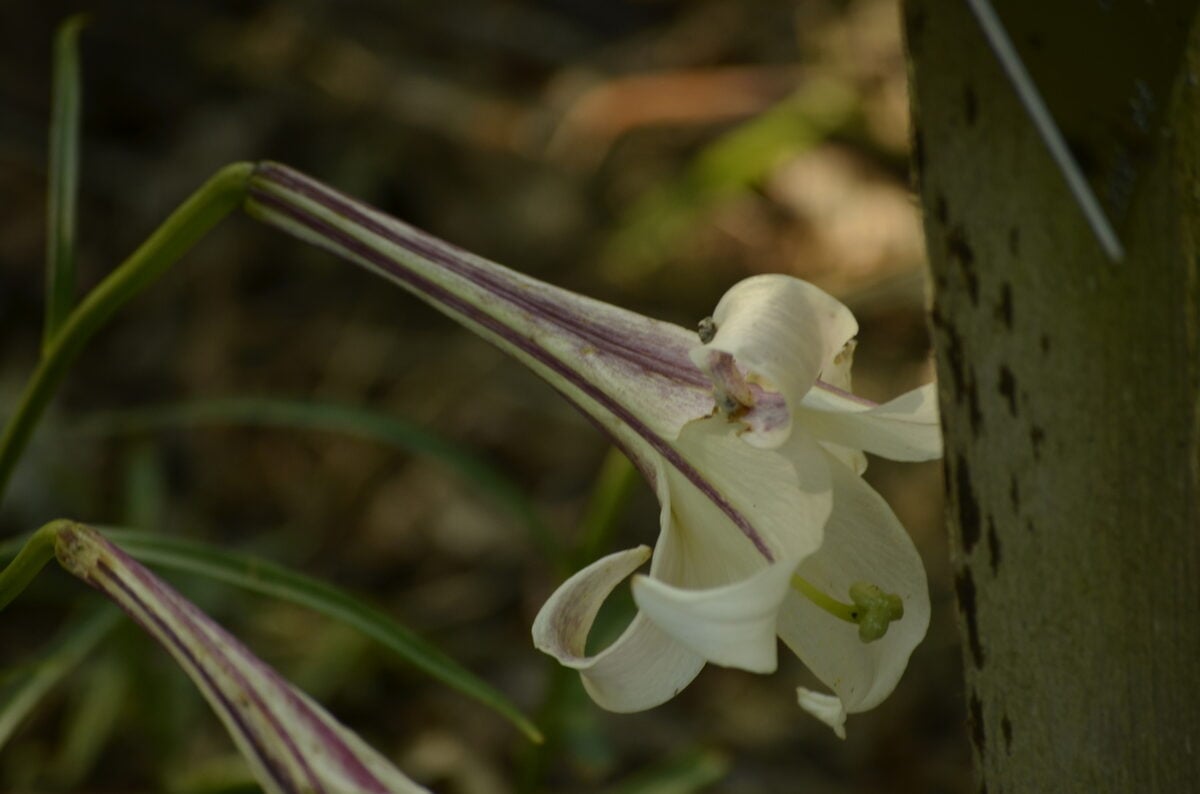
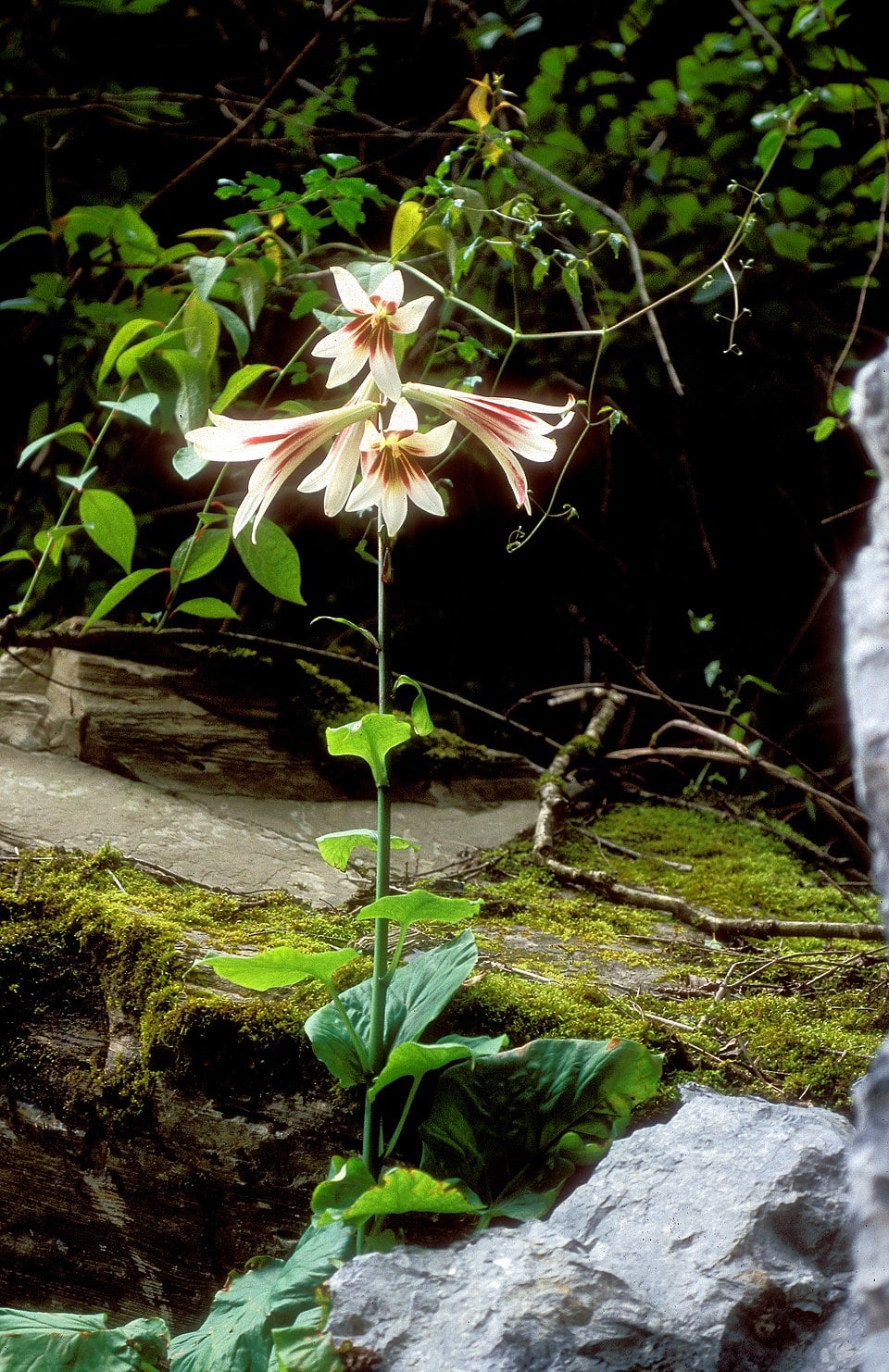
Source: WikipediaTricyrtis hirta (ほととぎすそう, Hototogisu-sou), the toad lily or hairy toad lily, is a Japanese species of hardy herbaceous perennial plant in the lily family Liliaceae. It is found growing on shaded rocky cliffs and stream banks in central and southern Japan. Leaves are large and wide, clasping around the stem. The flowers are whitish to pale purple with dark purple spots. Varieties Tricyrtis hirta var. hirta - central and southern Japan Tricyrtis hirta var. masamunei (Makino) Masam - Kyushu
Description
A perennial plant. It grows 24-30 cm high and wide. It forms clumps. The stems arch over. The leaves are pale green. They are hairy. The flowers have purple spots on white. Flowers are produced in the axils of leaves.
Edible Uses
Leaves and young shoots are edible when cooked.
Medicinal Uses
None known
Distribution
It is a temperate plant. It needs moist, well-drained soil. The soil should be rich in humus and it should be grown in part shade. It is frost hardy. It suits hardiness zones 4-9.
Where It Grows
Asia, Australia, Canada, Japan*, North America, Slovenia, Tasmania,
Cultivation
It can be grown by division.
Propagation
Seed is best sown in a cold frame as soon as it is ripe. Stored seed requires 12 weeks of stratification at 5°C. Once large enough to handle, prick seedlings out into individual pots and grow on in the greenhouse for at least their first winter. Plant out into permanent positions in late spring or early summer, after the last expected frosts. Division can be done just before growth begins in spring, splitting to single crowns. Larger divisions can go directly into permanent positions; smaller divisions are best potted up and grown on in light shade in a greenhouse or cold frame until growing well, then planted out in summer or the following spring.
Other Uses
None known Special Uses
Notes
There are about 10-16 Tricyrtis species. Also put in the family Convallariaceae.
Also Known As
Dlakavi tricirtis
References (7)
- Bot. Mag. 19: t. 5355. 1863
- Cundall, P., (ed.), 2004, Gardening Australia: flora: the gardener's bible. ABC Books. p 1429
- Hibbert, M., 2002, The Aussie Plant Finder 2002, Florilegium. p 301
- http://www.botanic-gardens-ljubljana.com/en/plants
- Joyce, D., 1998, The Garden Plant Selector. Ryland, Peters and Small. p 274
Show all 7 references Hide references
- Marinelli, J. (Ed), 2004, Plant. DK. p 199
- Plants for a Future database, The Field, Penpol, Lostwithiel, Cornwall, PL22 0NG, UK. http://www.scs.leeds.ac.uk/pfaf/