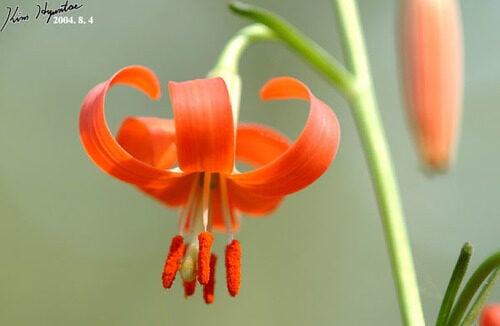
Erythronium propullans
A. Gray
Minnesota dwarf trout lily
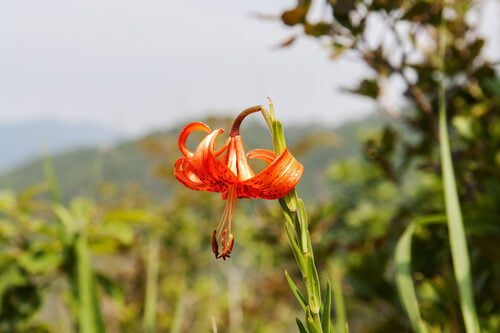
iNaturalist· cc-by-nc-sa
(c) thesnaguy, some rights reserved (CC BY-NC-SA), uploaded by thesnaguy
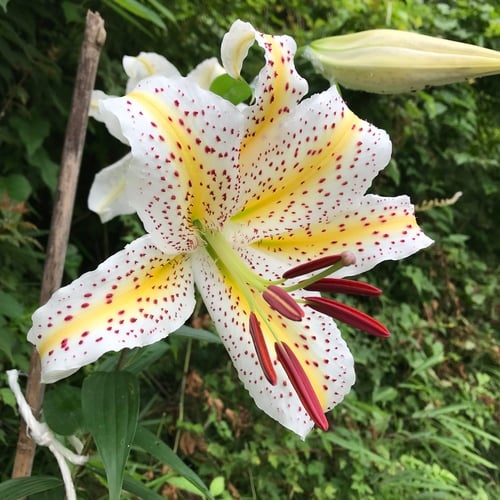
iNaturalist· cc-by-nc
(c) Matthew Thompson, some rights reserved (CC BY-NC), uploaded by Matthew Thompson
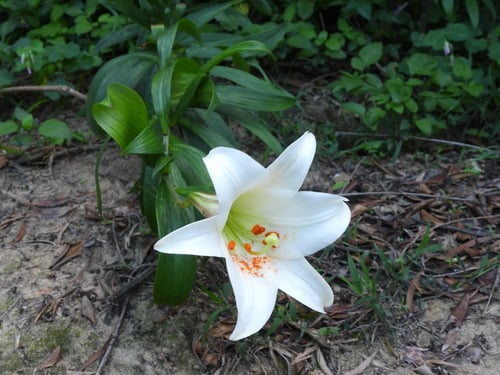
iNaturalist· cc-by-nc
(c) jerold222, some rights reserved (CC BY-NC)
Summary
Source: WikipediaErythronium propullans, the Minnesota dwarf trout lily, Minnesota adder's tongue or Minnesota fawnlily, is a rare plant endemic to the Cannon River and North Fork Zumbro River watersheds in Rice County, Goodhue County and the extreme northern edge of Steele County, Minnesota, in the United States. The plant is closely related to the white trout lily (Erythronium albidum) and is believed to have evolved less than 9,000 years ago. It was listed as an endangered species of the United States under the Endangered Species Act in 1986. The plants flower in the spring at the same time as hepaticas, Dutchman's breeches, bloodroot, and other spring wildflowers. Nerstrand-Big Woods State Park, River Bend Nature Center, and several tracts owned by The Nature Conservancy protect portions of its habitat.
Description
A herb. It is a lily. It produces a stolon or runner that then produces a new bulb.
This description is brief — help expand it
Edible Uses
The bulb is potentially edible.
Known Hazards
This is a rare plant.
Distribution
It is a temperate plant. It grows near rivers and on flood plains.
Where It Grows
Canada, North America, USA,
Cultivation
It is normally grown from bulbs.
Notes
It is a rare plant.
References (1)
- Encyclopedia of Life.