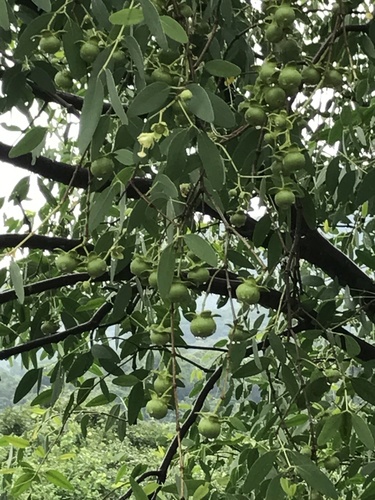
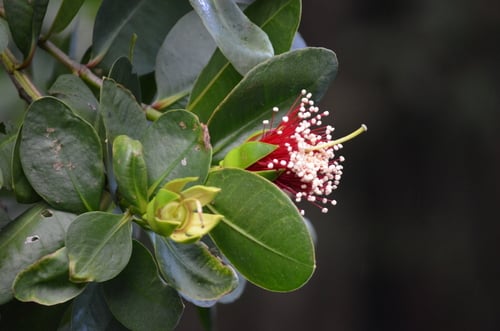
Trapa japonica
Fleron.
iNaturalist· cc-by-nc
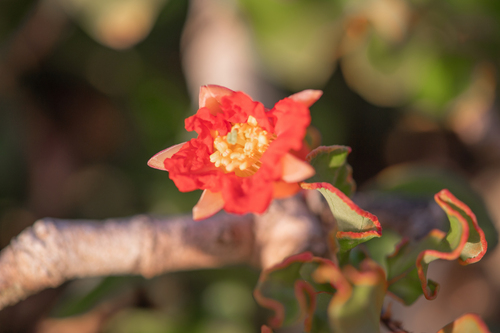
(c) 空猫 T. N, some rights reserved (CC BY-NC), uploaded by 空猫 T. N
iNaturalist· cc-by
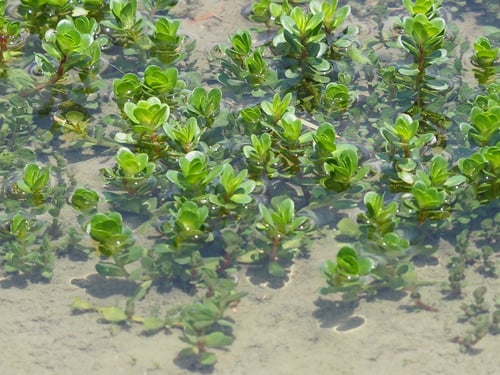
(c) Kim, Hyun-tae, some rights reserved (CC BY), uploaded by Kim, Hyun-tae
iNaturalist· cc-by
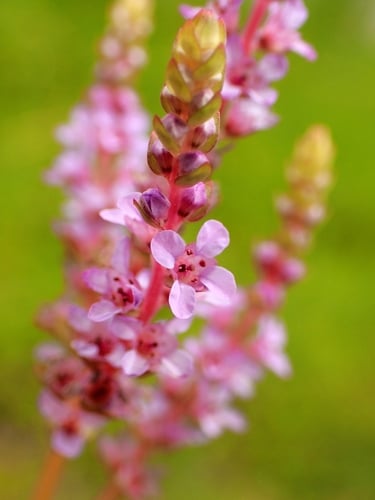
(c) Kim, Hyun-tae, some rights reserved (CC BY), uploaded by Kim, Hyun-tae
Summary
An annual aquatic plant. Hermaphroditic. Grows in light sandy, medium loamy, and heavy clay soils with mildly acidic to neutral pH. Requires full sun and can grow submerged in water.
Description
An annual aquatic plant. Hermaphroditic. Grows in light sandy, medium loamy, and heavy clay soils with mildly acidic to neutral pH. Requires full sun and can grow submerged in water.
Edible Uses
The seed can be eaten raw or cooked. Some caution is advised regarding toxicity.
Medicinal Uses
None known
Known Hazards
We have no specific information for this species, but the raw seed of several members of this genus contains toxins. However, these are destroyed in the cooking process.
Distribution
It is a temperate plant.
Where It Grows
Asia, China, Europe, Japan, Korea, Mediterranean,
Cultivation
We have very little information on this species and do not know if it will be hardy outdoors in Britain. However, judging by the plants native range, it is likely to succeed outdoors at least in the warmer areas of the country. The following notes are based on the general needs of the genus. An aquatic plant, floating by means of inflated petioles, it succeeds in still or slowly-flowing water requiring a position in full sun and a slightly acidic water with a rich planting medium. Plants require a high summer temperature in order to perform well, they are not frost hardy.
Propagation
Harvest seed in late summer and store it overwinter in a jar of water in a cool but frost-free location. The seed loses viability rapidly if allowed to dry out. In spring, sow one seed per pot and submerge under a few centimetres of water.
Other Uses
None known
Nutrition
| Part | Moisture | kJ | kcal | Protein | Vit A | Vit C | Iron | Zinc |
|---|---|---|---|---|---|---|---|---|
| Fruit | 69 | 453 | 108 | 6.3 | — | — | — | — |
References (5)
- Chen, B. & Qiu, Z., Consumer's Attitudes towards Edible Wild Plants, Ishikawa Prefecture, Japan. p 26 www.hindawi.com/journals/ijfr/aip/872413.pdf
- Food Composition Tables for the Near East. http://www/fao.org/docrep No. 439
- Romanowski, N., 2007, Edible Water Gardens. Hyland House. p 41
- Plants for a Future database, The Field, Penpol, Lostwithiel, Cornwall, PL22 0NG, UK. http://www.scs.leeds.ac.uk/pfaf/
- Ulian, T., et al, 2020, Unlocking plant resources to support food security and promote sustainable agriculture. Plants, People, Planet. 2020;2:421–445.