Tradescantia virginiana
L.
Spiderwort, Virginia Spiderwort, Widow's tears
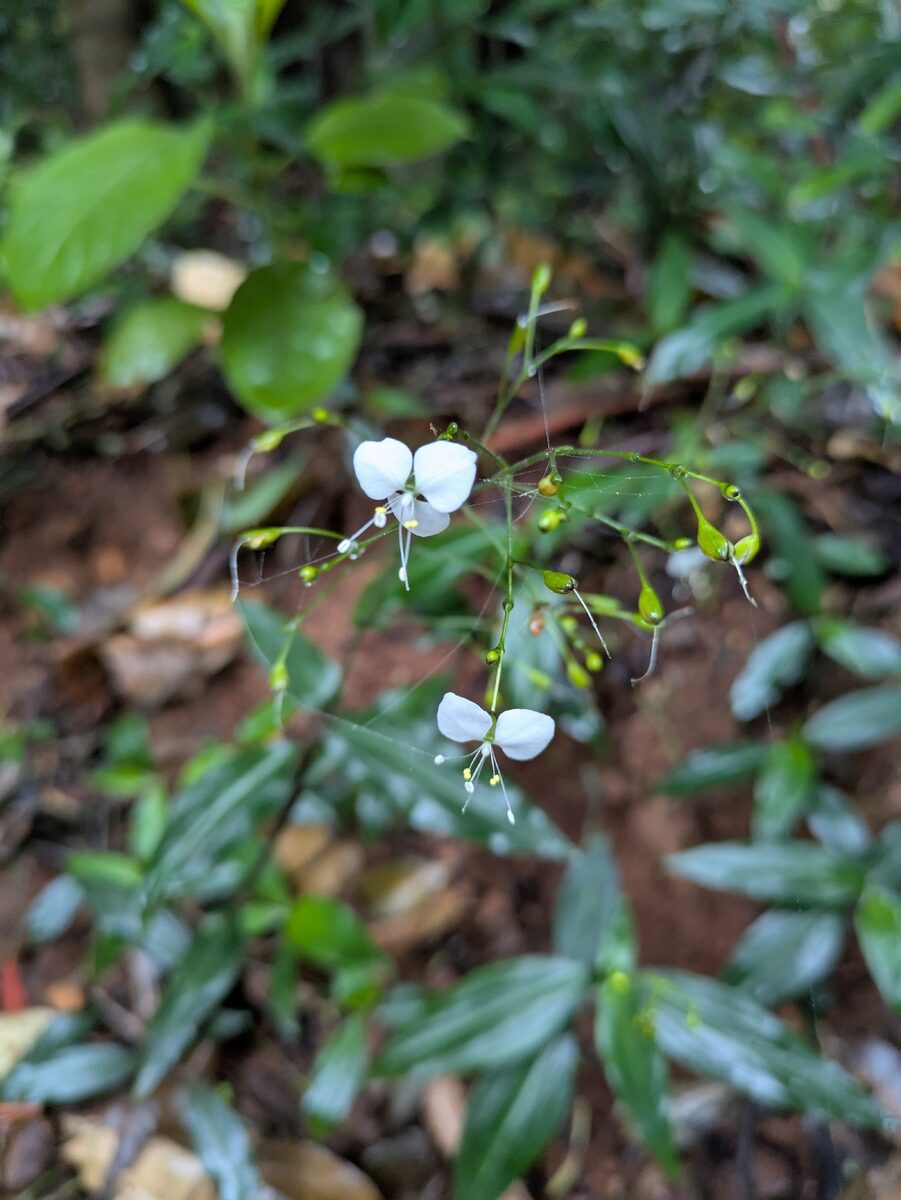
iNaturalist· cc-by-nc
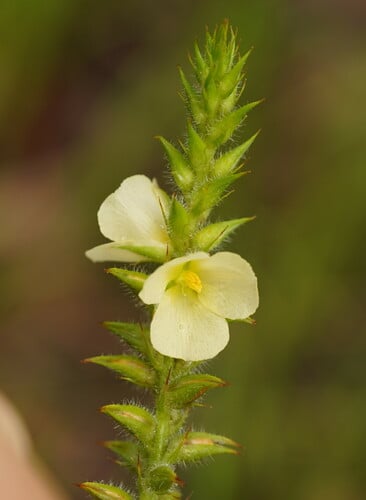
(c) Joanne Muis, some rights reserved (CC BY-NC), uploaded by Joanne Muis
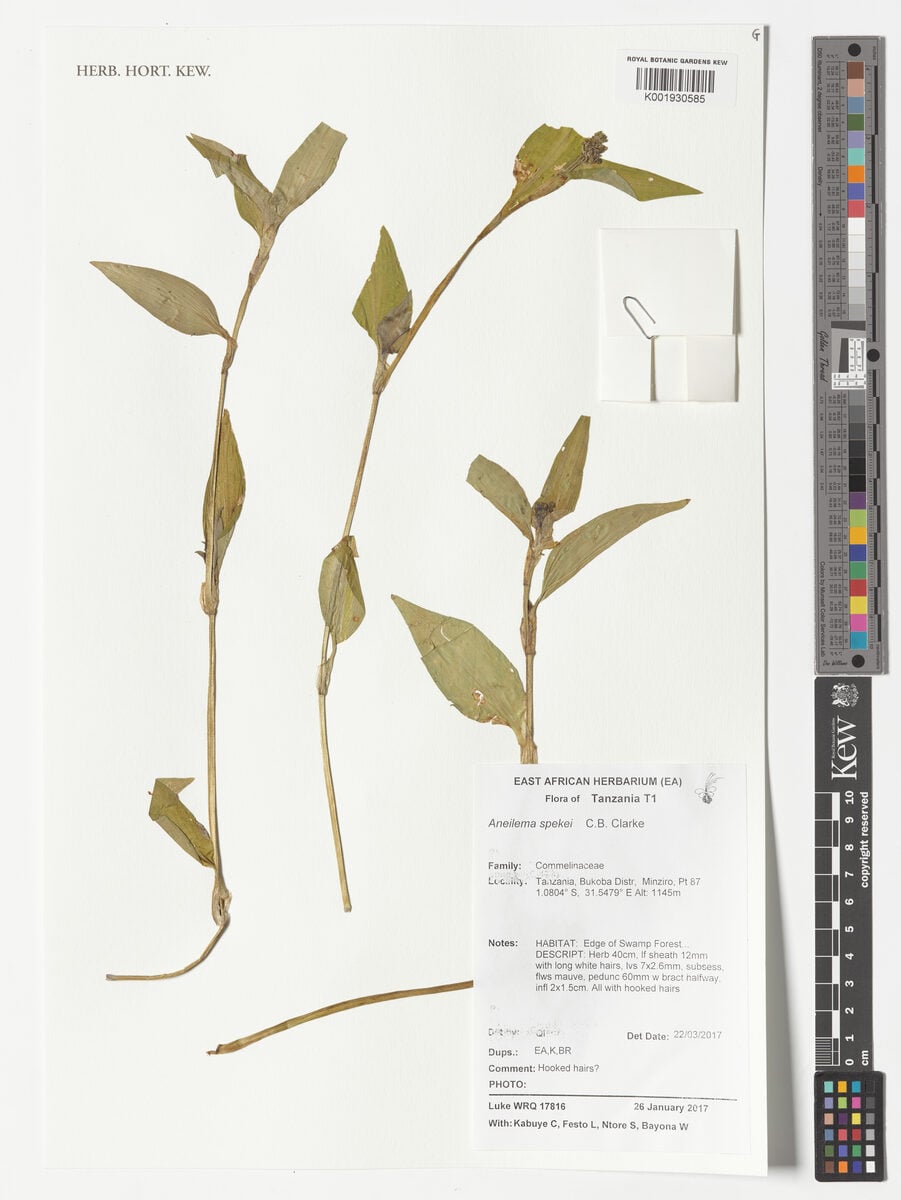
iNaturalist· cc-by
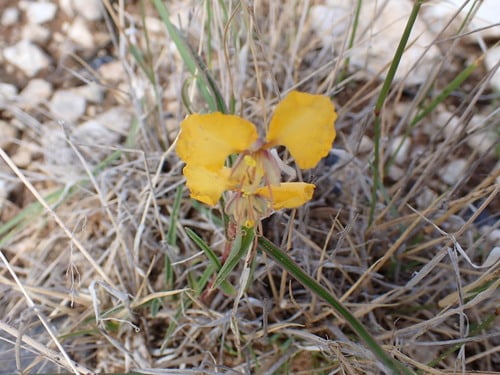
(c) Alexis Tinker-Tsavalas, some rights reserved (CC BY), uploaded by Alexis Tinker-Tsavalas
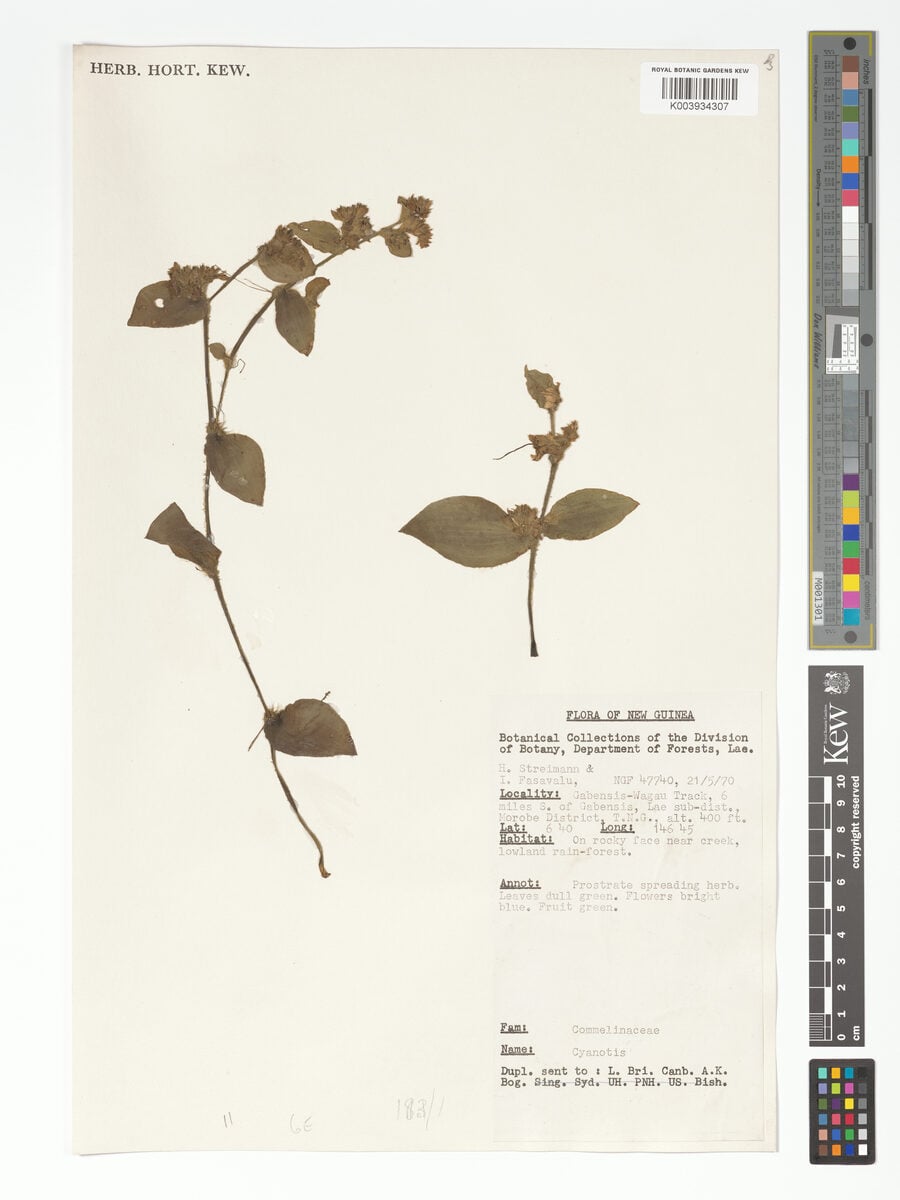
iNaturalist· cc-by-nc
(c) josefwirth, some rights reserved (CC BY-NC), uploaded by josefwirth
Summary
Source: WikipediaTradescantia virginiana, the Virginia spiderwort, is a species of flowering plant in the family Commelinaceae (the spiderwort family). It is the type species of the genus Tradescantia, native to the eastern United States. Common names include Virginia spiderwort, common spiderwort, lady's tears, and spider lily.
Description
A herb. It grows 30-60 cm high. It spreads 50-120 cm wide. It has large clumps of long narrow leaves. They are like grass leaves. They are 15-38 cm long. The flowers are white, pink or violet. They are in small heads.
Edible Uses
The very young shoots and leaves can be chopped and added raw to salads or cooked as a potherb. The flowers are edible raw and make an attractive garnish.
Traditional Uses
The fresh young leaves can be used in salads or boiled for 10 minutes and eaten as a green vegetable. They can be added to soups and stews. They can be served with butter or an oil or vinegar dressing. The flowers can be eaten and used as a garnish or candied. They are used to decorate food and cakes. The seeds can be roasted and eaten.
Medicinal Uses
The roots are laxative and are also used as a tea to treat kidney and stomach ailments and women's complaints. A poultice made from the leaves is applied to stings, insect bites, and cancers.
Distribution
It is a warm temperate plant. It grows near the edges of forests and along roadsides. It will grow in most soils and needs a protected, partly shaded position. It is resistant to frost but sensitive to drought. It suits hardiness zones 7-10.
Where It Grows
Asia, Australia, Canada, Europe, Myanmar, North America*, SE Asia, Slovenia, Tasmania, USA,
Cultivation
An easily grown plant, it thrives in any good rather moist soil. Succeeds in dry soils. Succeeds in dappled woodland shade or in full sun. Hybridizes freely with other members of this genus. Plants often self-sow in British gardens. A very variable species, there are a number of named forms selected for their ornamental value. Plants in this genus seem to be immune to the predations of rabbits. Plants are self-sterile, at least two genetically distinct plants (and not divisions from the same plant) must be grown if seed is required.
Propagation
Sow seed in spring in a cold frame. Prick seedlings into individual pots when large enough to handle, grow on in the greenhouse through their first winter, then plant out in late spring or early summer after the last expected frosts. Divide plants in spring or autumn. Cuttings of young shoots can be taken in July and rooted in a frame — they root easily and quickly.
Other Uses
None known.
Notes
There are about 65 Tradescantia species.
Synonyms
Also Known As
Vrtna tradeskancija
References (14)
- Cundall, P., (ed.), 2004, Gardening Australia: flora: the gardener's bible. ABC Books. p 1427
- Facciola, S., 1998, Cornucopia 2: a Source Book of Edible Plants. Kampong Publications, p 80
- Hibbert, M., 2002, The Aussie Plant Finder 2002, Florilegium. p 301
- http://www.botanic-gardens-ljubljana.com/en/plants
- Jackes, D. A., 2007, Edible Forest Gardens
Show all 14 references Hide references
- Kelly, L., Edible Plant List. Mississippi
- Kermath, B. M., et al, 2014, Food Plants in the Americas: A survey of the domesticated, cultivated and wild plants used for Human food in North, Central and South America and the Caribbean. On line draft. p 871
- Moerman, D. F., 2010, Native American Ethnobotany. Timber Press. p 565
- Plants for a Future database, The Field, Penpol, Lostwithiel, Cornwall, PL22 0NG, UK. http://www.scs.leeds.ac.uk/pfaf/ (As Tradescantia virginiata)
- Schmid, W. G., 2002, An Encyclopedia of Shade Perennials. Timber Press p 263
- Slocum, P.D. & Robinson, P., 1999, Water Gardening. Water Lilies and Lotuses. Timber Press. p 137
- Sp. pl. 1:288. 1753
- Wild Edible Plants of the Whitmire Wildflower Garden. Missouri Botanical Gardens.
- www.wildediblefood.com