Thunbergia oblongifolia
Oliv.
iNaturalist· cc-by-nc
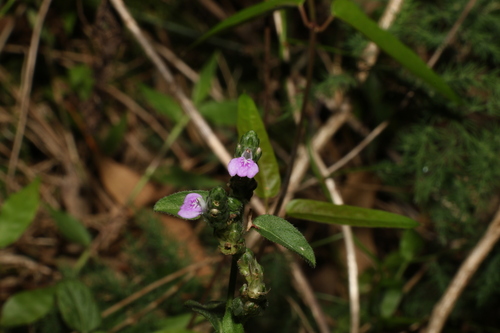
(c) Bart Wursten, some rights reserved (CC BY-NC)
iNaturalist· cc-by-nc
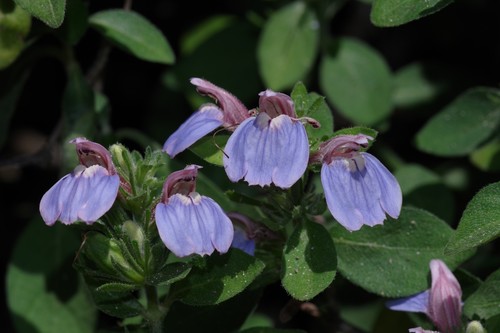
(c) Bart Wursten, some rights reserved (CC BY-NC)
iNaturalist· cc-by-nc
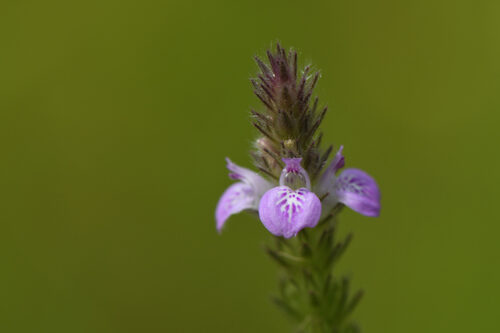
(c) Bart Wursten, some rights reserved (CC BY-NC)
Description
A herb. It has an erect stem. It is woody. The leaves are oval and without leaf stalks. They are shiny and have soft hairs around the edge. The flowers are mauve with a yellow throat.
Edible Uses
Young leaves - cooked and eaten as a vegetable. Rather tough. Sometimes the leaves are cooked in the sour liquid ('matsukwa') that remains after soaking maize, sometimes they are mixed with young leaves of sweet potato. This latter product is not much liked and only cooked occasionally.
Traditional Uses
Leaves are cooked and eaten.
This uses section is brief — help expand it
Distribution
A tropical plant. In Malawi it grows at higher altitudes. It grows in the savannah.
Where It Grows
Africa, East Africa, Malawi, Tanzania, Zambia,
Also Known As
Jandalala, Maluba a buki, Mlombwe, Mnombwe
References (7)
- Grubben, G. J. H. and Denton, O. A. (eds), 2004, Plant Resources of Tropical Africa 2. Vegetables. PROTA, Wageningen, Netherlands. p 530
- Jardin, C., 1970, List of Foods Used In Africa, FAO Nutrition Information Document Series No 2.p 106
- Malaisse, F., 1997, Se nourrir en floret claire africaine. Approche ecologique et nutritionnelle. CTA., p 69
- Martin, F.W. & Ruberte, R.M., 1979, Edible Leaves of the Tropics. Antillian College Press, Mayaguez, Puerto Rico. p 172
- Peters, C. R., O'Brien, E. M., and Drummond, R.B., 1992, Edible Wild plants of Sub-saharan Africa. Kew. p 45
Show all 7 references Hide references
- Williamson, J., 2005, Useful Plants of Malawi. 3rd. Edition. Mdadzi Book Trust. p 246
- World Checklist of Useful Plant Species 2020. Royal Botanic Gardens, Kew