Telosma procumbens
(Blanco) Merr.
Dukep
iNaturalist· cc-by-nc
(c) guanhong, some rights reserved (CC BY-NC), uploaded by guanhong
iNaturalist· cc-by-nc
(c) weiweixiao, some rights reserved (CC BY-NC)
iNaturalist· cc-by-nc
(c) weiweixiao, some rights reserved (CC BY-NC)
Summary
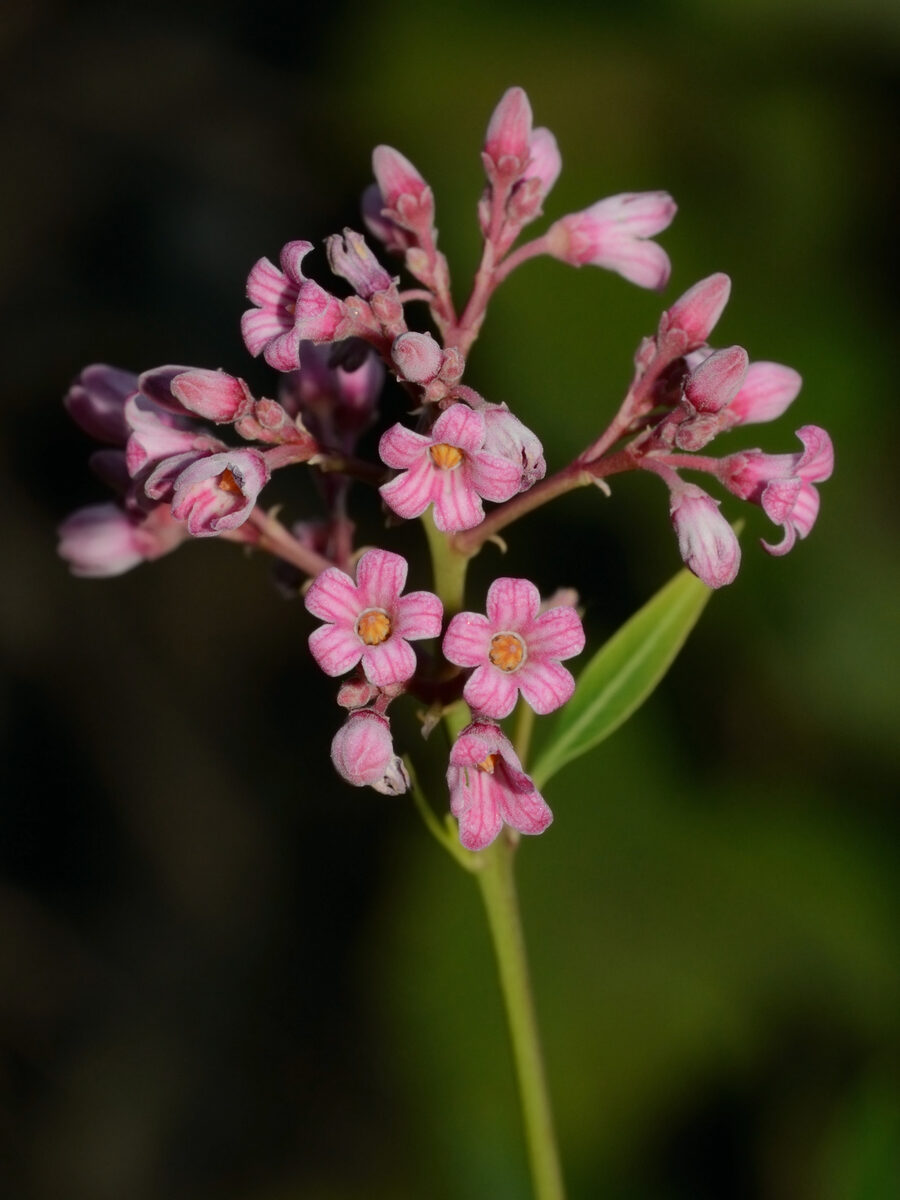
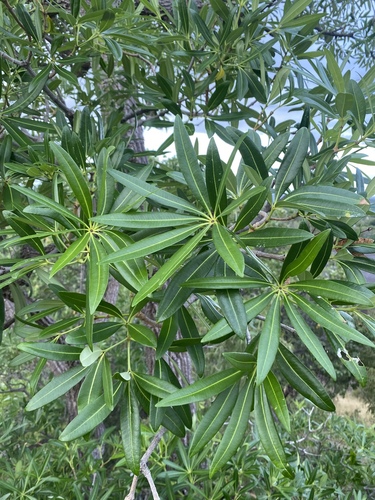
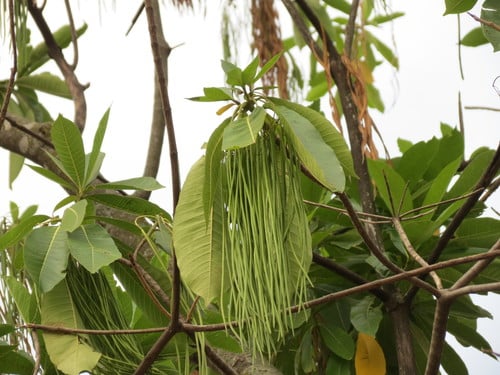
Source: WikipediaTelosma procumbens, also known as latok, kapas-kapas, dukep, or sabidukong, among many other names, is a species of flowering plant native to the islands of the Philippines and parts of southeastern China and Vietnam. It is a woody vine with elongated heart-shaped leaves. It bears clusters of yellowish green odorless flowers with five twisted-looking fleshy petals arranged in a star shape. These develop into spearhead-shaped fruits with four thin lengthwise ridges ("wings"). The fruit contains multiple seeds stacked in a column. Each seed has a long white feathery tail that allows it to be dispersed by the wind. The flowers and immature fruit rinds are eaten in Filipino cuisine, with a taste and texture similar to winged beans or string beans.
Description
A creeper with slender rounded and heart shaped leaves. They are 3-10 cm long by 5-6 cm wide. They are slightly hairy on the lower veins. The leaf tip is pointed and they are rounded at the base. The flowers are greenish and have no smell. There are about 5-10 flowers in a cluster. The fruit contain flat seeds with many soft white hairs.
Edible Uses
Young fruit and flowers are cooked and eaten as vegetables. New shoots and young leaves are cooked together with other vegetables.
Traditional Uses
The young fruit and flowers are cooked and eaten as vegetables. The new shoots and young leaves are cooked with other vegetables.
This uses section is brief — help expand it
Medicinal Uses
An infusion or decoction of the leaves is used to cleanse wounds, scabies, and ulcers. The leaves are also used as a cataplasm, applied to the forehead in the treatment of headaches.
Known Hazards
There are reports that the fresh leaves and stems can be poisonous to pigs.
Distribution
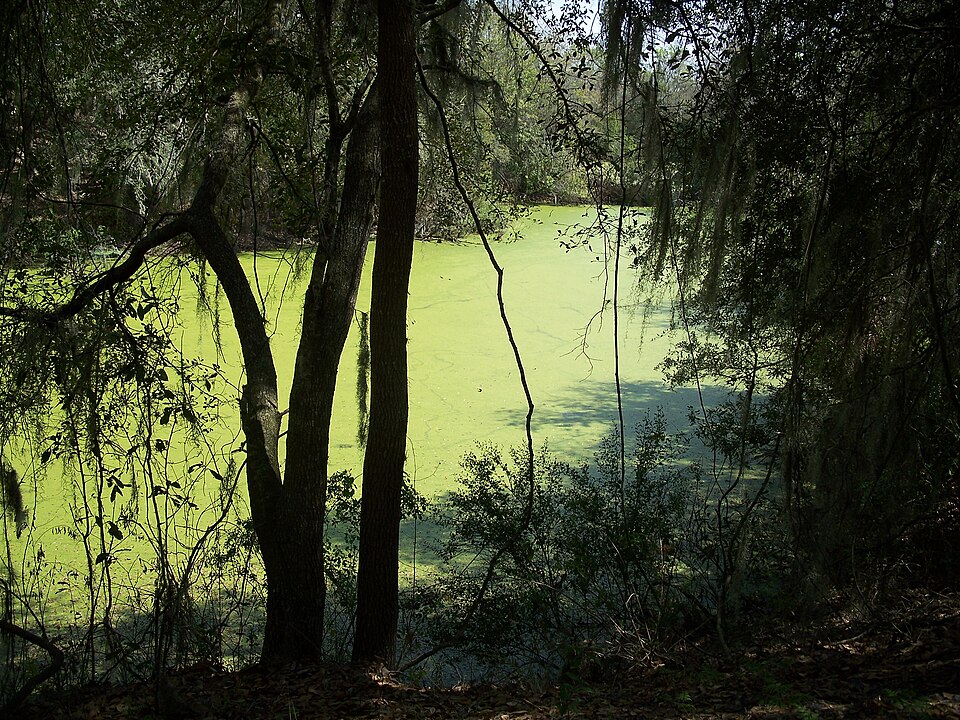
A tropical plant. They are widely distributed and common in areas of shrub at low altitudes throughout the islands of the Philippines. In southern China it grows along rivers between 300-800 m above sea level. In Yunnan.
Where It Grows
Asia, China, Indochina, Pacific, Philippines, SE Asia, Vietnam,
Synonyms
Also Known As
Ampupuyat, Bagbagcong, Barbarkilya, Kapas-kapas, Langted, Padpadol, Pusa-pusa, Sabiddokong, Wo jing ye lai xiang
References (8)
- Antonio, M. A., et al, 2011. Survey and Characterization of Indigenous Food Plants in Ilocos Norte, Philippines, SEARCA Agricultural & Development Discussion Papr Series No. 2011-2
- Brown, W.H., 1920, Wild Food Plants of the Philippines. Bureau of Forestry Bulletin No. 21 Manila. p 150
- Burkill, I.H., 1966, A Dictionary of the Economic Products of the Malay Peninsula. Ministry of Agriculture and Cooperatives, Kuala Lumpur, Malaysia. Vol 2 (I-Z) p 2169
- Li Ping-tao; Michael G. Gilbert, W. Douglas Stevens, ASCLEPIADACEAE Flora of China.
- Maghirang, R. G., et al, 2018. Ethnobotanical Studies of Some Plants Commonly Used as Vegetables in Selected Provinces of the Philippines. Journal of Nature Studies. 17(2), 30-43.
Show all 8 references Hide references
- Menisa, A. A., et al, 2012, Survey and characterization of Indigenous Food Plants in Ilocos Norte, Philippines. SEARCA Discussion Paper series No. 2011-2
- Monsalud, M.R., Tongacan, A.L., Lopez, F.R., & Lagrimas, M.Q., 1966, Edible Wild Plants in Philippine Forests. Philippine Journal of Science. p 445
- World Checklist of Useful Plant Species 2020. Royal Botanic Gardens, Kew