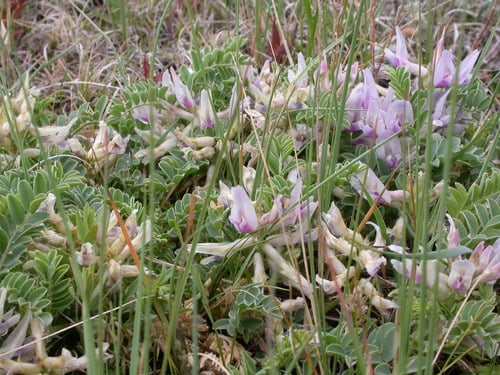
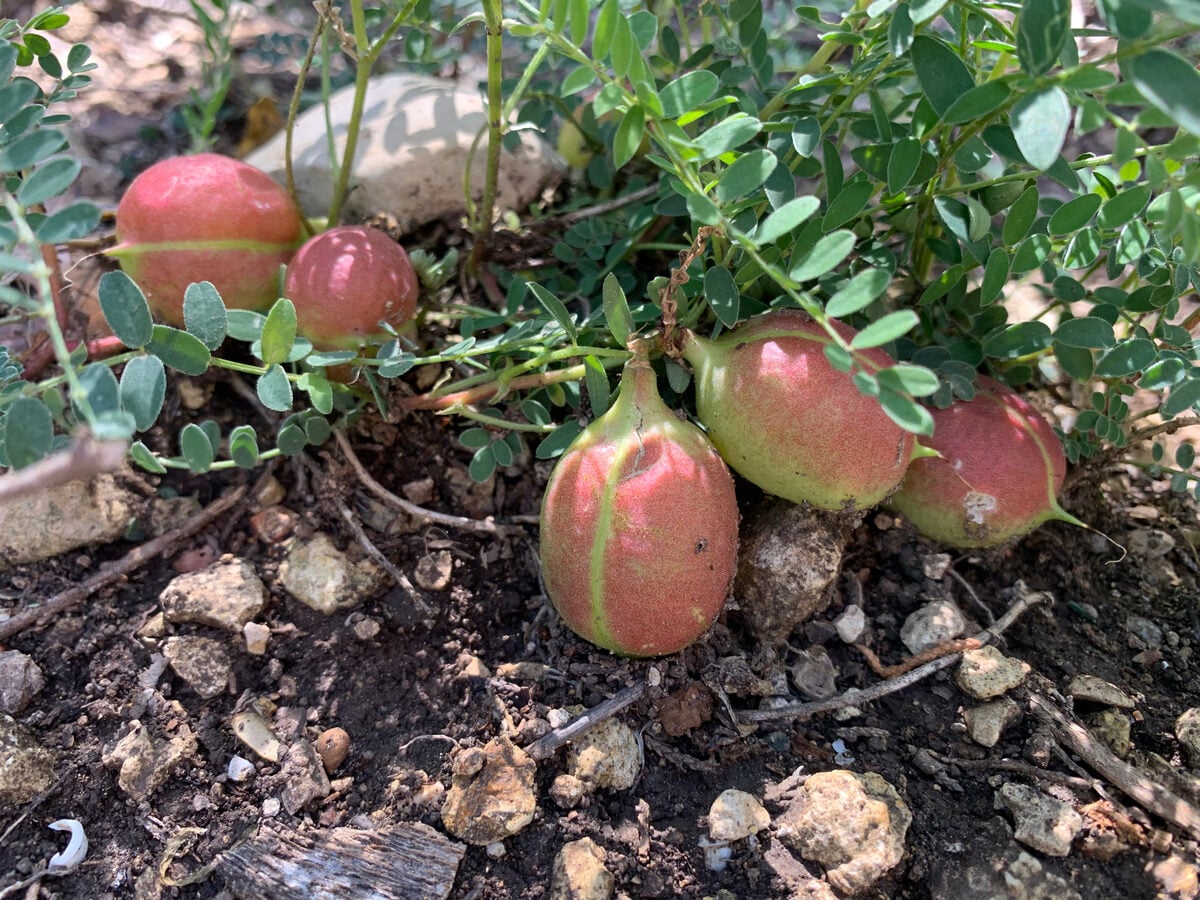
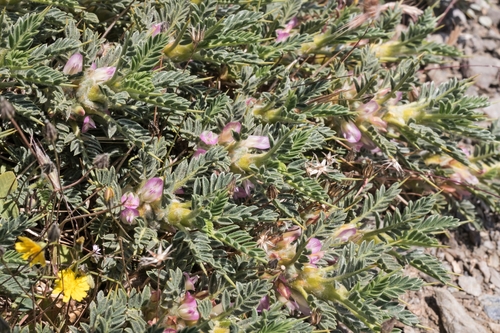
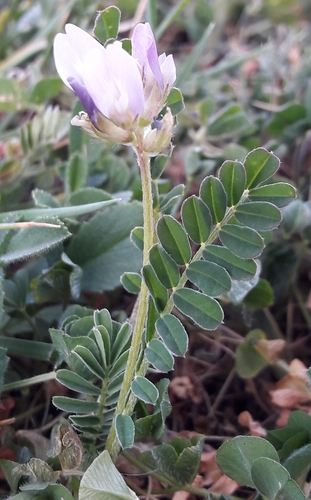
Tamarindus indica
L.
Tamarind
iNaturalist· cc0
no rights reserved, uploaded by 葉子
iNaturalist· cc-by-nc-nd
(c) Charles Thomas Hash, Jr., some rights reserved (CC BY-NC-ND), uploaded by Charles Thomas Hash, Jr.
iNaturalist· cc-by-sa
(c) Douglas Goldman, some rights reserved (CC BY-SA), uploaded by Douglas Goldman
Summary
Source: WikipediaEvergreen tree reaching 20m tall with equal spread, growing slowly. Insect-pollinated and capable of nitrogen fixation. Tolerates light sandy, medium loamy, and heavy clay soils with good drainage preference. Adapts to mildly acidic, neutral, and basic pH, including very acid and saline soils. Requires full sun, tolerates drought, and can handle maritime exposure. Hardy to UK zone 10.
Description
A large spreading tree up to 24 m tall. It has a broad dense evergreen crown. In dry areas the tree can lose its leaves. The trunk can be 1 m across. The bark is rough and grey with a checkered pattern. The leaves are carried one after another along the branch. The whole leaf is 6-12 cm long and it is divided into 10-17 pairs of leaflets. These are oblong and without stalks. The whole leaf has a leaf stalk about 15 cm long. The leaflets are 1-2.5 cm long and 4 9 mm wide. They are a dull dark green and with a rounded tip. The flowers are pale yellow with brown markings. The flowers are about 2.5 cm across and hang on long many flowered stalks. The fruit is an oblong thin skinned fleshy capsule. The brown seeds are inside this long rough surfaced, sausage-like fruit. This pod is 6-8 cm long and about 2 cm wide and contracted between the seeds. The pod cracks when mature. It is a legume. The pulp is date like and reddish brown. The seeds are shiny and hard. The pulp of the pods is edible.
Edible Uses
The seedpods can be eaten raw or cooked and have an acid flavour. Harvested when fully grown but still green and tender, they are used as a seasoning and to make juices and paste. The immature pods are eaten fresh with spices, pickled like green mango, or added whole to soups, stews, and sauces; the pods measure 5–15cm long. When fully ripe, the pods contain a sticky paste that can be eaten raw, used to make drinks, jellies, and syrups, or mixed with salt as a favourite curry flavouring in India. This paste is typically quite sour due to its content of tartaric, acetic, and citric acids, though sweet forms exist and are considered a delicacy eaten raw. Mixed with water, the pulp makes a pleasant lemonade-like drink. Mature seeds can be dried, then toasted or boiled with the shell removed, and can also be ground into flour. Roasted seeds serve as a coffee substitute. Young leaves have an agreeably sour flavour and can be eaten raw in salads or cooked alongside blander leaves. Seedlings around 30cm tall are used as a vegetable. Flowers are eaten raw in salads.
Traditional Uses
The pulp of the fruit is edible. It is also used for drinks. The seeds are also edible, cooked. They can be roasted and ground into flour. The outer skin is removed. The young leaves, flowers and young pods are also edible. They are eaten in curries. They are also dried. They are used to make dishes acid. They are used in sauces and chutneys. The young seedlings are also edible.
Medicinal Uses
The bark is astringent and tonic; its ash can be taken internally as a digestive. Incorporated into lotions or poultices, the bark relieves sores, ulcers, boils, and rashes, and can be taken as a decoction against asthma, amenorrhea, and fever. Leaf extracts exhibit antioxidant activity in the liver and are a common ingredient in cardiac and blood-sugar-reducing medicines. Young leaves can be used in fomentation for rheumatism, applied to sores and wounds, or used as a poultice on inflamed joints to reduce swelling and pain. A sweetened leaf decoction is used against throat infections, coughs, fever, and intestinal worms. Filtered hot juice of young leaves and a poultice of the flowers are used for conjunctivitis. Warmed leaves are tied to affected areas to relieve swellings, pains, and sprains, and are also used to bathe sores or to wash those suffering from measles or allergies. Leaves and flowers are made into a sweetened tea given to children as a measles remedy, and were historically used in a preparation drunk in Guyana as a malaria remedy. A decoction of the flower buds is used for children's bedwetting and urinary complaints. The fruit is aperient and laxative; a syrup made from the ripe fruit is taken to maintain digestive health and as a remedy for coughs and chest colds. The flesh of the fruit is eaten to reduce fever and control gastric acid. The fruit pulp can be used as a massage for rheumatism, as an acid refrigerant, a mild laxative, and to treat scurvy. Powdered seeds are given to treat dysentery and diarrhoea. The plant contains pyrazines and thiazoles; the seeds contain polyoses; and the bark yields proanthocyanidin and hordenine.
Distribution
A tropical plant. The tree is cultivated in a number of coastal towns in the tropics as a street tree. It is probably best grown below 800 m altitude in the tropics. It is drought resistant. It cannot stand water-logging. It does well on coastal dunes above high water level. It suits semi-arid areas. It grows in the Sahel. It is salt tolerant. It must be in frost free locations. In Nepal it grows up to about 1200 m altitude. In Kenya it grows from sea level to 1,600 m altitude. It can grow in arid places. It grows in Miombo woodland in Africa. In XTBG Yunnan. It suits hardiness zones 11-12.
Where It Grows
Afghanistan, Africa, Amazon, Andamans, Angola, Antigua and Barbuda, Arabia, Argentina, Asia, Australia, Bahamas, Bahrain, Bangladesh, Belize, Benin, Bhutan, Bolivia, Botswana, Brazil, Brunei, Burkina Faso, Burundi, Cambodia, Cameroon, Cape Verde, Caribbean, Central Africa, Central African Republic, CAR, Central America, Chad, Chile, China, Colombia, Congo DR, Congo R, Cook islands, Costa Rica, Côte d'Ivoire, Cuba, Djibouti, Dominican Republic, East Africa, East Timor, Ecuador, Egypt, El Salvador, Equatorial Guinea, Eritrea, Ethiopia, Fiji, French Guiana, Gambia, Ghana, Grenada, Guam, Guatemala, Guinea, Guinée, Guinea-Bissau, Guyana, Haiti, Hawaii, Himalayas, Honduras, India, Indochina, Indonesia, Iran, Iraq, Ivory Coast, Jamaica, Kenya, Kiribati, Laos, Liberia, Libya, Madagascar, Malawi, Malaysia, Maldives, Mali, Marianas, Marquesas, Martinique, Mauritania, Mediterranean, Mexico, Middle East, Morocco, Mozambique, Myanmar, Nepal, New Caledonia, Nicaragua, Niger, Nigeria, Niue, North Africa, North America, Northeastern India, Oman, Pacific, Pakistan, Panama, Papua New Guinea, PNG, Paraguay, Peru, Philippines, Puerto Rico, Reunion, Rotuma, Sahel, Samoa, Sao Tome and Principe, Saudi Arabia, SE Asia, Senegal, Seychelles, Senegal, Sierra Leone, Sikkim, Socotra, Somalia, South Africa, Southern Africa, South America, South Sudan, Sri Lanka, St. Kitts and Nevis, Sudan, Suriname, Taiwan, Tanzania, Thailand, Timor-Leste, Togo, Tonga, Tuvalu, Uganda, United Arab Emirates, UAE, USA, Vanuatu, Venezuela, Vietnam, West Africa, West Indies, West Timor, Yemen, Zambia, Zimbabwe,
Cultivation
It is found at elevations up to 1,500 metres[298 , 325 , 418 , 774 ]. It grows best in areas where annual daytime temperatures are within the range 20 - 35°c, but can tolerate 12 - 45°c. When dormant, the plant can survive temperatures down to about -3°c, but young growth can be severely damaged at -1°c. The plant is very sensitive to frost. It prefers a mean annual rainfall in the range 800 - 3,000mm, but tolerates 300 - 4,500mm. In India, it is not grown commercially in areas receiving more than 1,900mm of rain a year and in the wet tropics, with over 4,000 mm of rain, flowering and fruit setting is significantly reduced. Regardless of total annual rainfall, a long, well-marked dry season is necessary for fruiting. Plants succeed in a range of soils, though they prefer a well-drained, fertile soil in a sunny position. Often found near the coast and in sandy soils, which suggests it is tolerant of saline conditions. Prefers a pH in the range 5.5 - 6.5, tolerating 4.5 - 8.5. Plants have an extensive root system, which makes them very tolerant of windy conditions (including salt-laden winds) and drought. Growth is generally slow; seedling height increasing by about 60cm annually. Trees commence bearing fruit at 7 - 10 years of age, with maximum yields being obtained from about 15 years onwards. Trees can continue yielding for 200 years. Yields of 200 kilos per tree have been recorded. There are many named forms. The trees respond to coppicing and pollarding. This species has a symbiotic relationship with certain soil bacteria, these bacteria form nodules on the roots and fix atmospheric nitrogen. Some of this nitrogen is utilized by the growing plant but some can also be used by other plants growing nearby. Flowering Time: Mid Winter. Bloom Color: Rose/Mauve Pale Yellow. Spacing: 4-6 ft. (1.2-1.8 m).
Propagation
Dried seed retains viability for several years at ambient temperatures. Pre-soak seeds for 24 hours in warm water, then sow in a nursery seedbed or containers at 21°C. Around 90% germination is achieved in 40–50 days, and is best when seeds are covered by 1.5cm of loose sandy loam or a loam-and-sand mixture. Seedlings quickly develop a taproot and should not remain in a nursery seedbed for more than 4 months before being moved into containers. Seedlings should reach at least 80cm before being transplanted to their final location at the start of the rainy season, though they can be planted out when 30cm tall. Propagation is also possible from greenwood cuttings, air layering, and grafting.
Other Uses
Tamarind is not highly compatible with other plants due to its dense shade, broad spreading crown, and allelopathic effects. While tested as an agroforestry species in India, its spreading crown limits compatibility, though its dense shade makes it useful for firebreaks as no grass grows beneath the trees. Its deep roots make it storm-resistant and well suited to windbreaks. The over-ripe fruit pulp, sometimes mixed with sea salt, is used to polish silver, copper, and brass. Seeds contain pectin usable for sizing textiles; ground, boiled, and mixed with gum, the seeds produce a strong wood cement. An amber-coloured seed oil resembling linseed oil is suitable for making paints and varnishes and for burning in lamps. Both leaves and bark are rich in tannin; bark tannins can be used in ink or for fixing dyes. The leaves yield a red dye used to give a yellow tint to cloth previously dyed with indigo. The sapwood is light yellow and the heartwood dark purplish-brown — very hard, durable, and strong (specific gravity 0.8–0.9 g/cubic m) — taking a fine polish. The wood is used for general carpentry, sugar mills, wheels, hubs, wooden utensils, agricultural tools, mortars, boat planks, toys, panels, and furniture, and has been traded in North America under the name 'Madeira mahogany'. It provides good firewood with a calorific value of 4,850 kcal/kg and produces excellent charcoal.
Production
It grows very slowly. Trees are long lived. Fruiting is seasonal. The season tends to be April to June. It is about 8-9 months from flowering to ripe fruit. The ripe fruit are often harvested by climbing the tree. It plants are grown for shoots, they are planted closely.
Other Information
It is widely cyltivated. The fruit are sold in markets. It is important in West African diets. In Papua New Guinea only occasionally seen and at present little used.
Notes
There is only one Tamarindus species. It has anticancer properties. Chemical composition: Protein (crude) = 4.8% (dry). Fat = 0.4% (dry). Fibre (crude) = 6.6% (dry). Ash (insoluble) = 3.8% (dry). Carbohydrate (soluble): Starch = 12.7% (dry). Sucrose = 0.4% (dry). D-glucose = 12.7% (dry). D-fructose = 11.1% (dry). Amino acids (g [16g N]-1: Aspartic acid = 6.2g. Threonine = 2.7g. Serine = 3.5g. Glutamic acid = 5.6g. Proline = 33.1g. Glycine = 3.1g. Alanine = 3.1g. Valine = 3.7g. Cysteine = 0.8g. Methionine = 1.0g. Isoleucine = 2.9g. Leucine = 4.3g. Tyrosine = 3.1g. Phenylalanine = 3.7g. Lysine = 3.7g. Histidine = 2.3g. Arginine = 2.5g. Minerals: Sulphur = 0.03% (dry). Potassium = 0.10% (dry). Magnesium = 0.14% (dry). Calcium = 0.26% (dry). Na = 0.01% (dry). K = 1.32% (dry). Zinc = 9mg/kg-1 (dry). Iron = .73mg/kg-1 (dry). Manganese = 2mg/kg-1 (dry). Copper = 5mg/kg-1 (dry). Aluminum = 44mg/kg-1 (dry). Also as Caesalpinaceae. Seeds are rich in flavonoids and antioxidants.
Nutrition
| Part | Moisture | kJ | kcal | Protein | Vit A | Vit C | Iron | Zinc |
|---|---|---|---|---|---|---|---|---|
| Fruit pulp | 38.7 | 995 | 238 | 2.3 | 20 | 60 | 1.1 | 0.7 |
| Flowers | 80 | 314 | 75 | 2.5 | — | — | 1.4 | — |
| Leaves | 78 | 305 | 73 | 3.1 | 20 | 2 | 2 | — |
Synonyms
Also Known As
Aganat, Ai-sucaer, Ajagbon, Ambilam, Ambli, Ambran, Amilam, Amlam, Amli, Ampil tum, Ampul, Amyli, Apaderu, Aradeib, Asam jawa, Asam, Assam, Bak kaam som, Bak kaam, Bi qian a si, Bosey, Bwenba, Chich, Chicha, Chinch, Chintachettu, Chintapandu, Chintha, Chintha chigurlu, Chuwa, Chwa, Chwaa, Cwa, Cwaa, Cwao, Daxar, Djabbe, Dogha, Egin, Emli, Enkonge, Enkooge, Epedura, Epeduru, Erdeb, Helen beli, Huli, Hura, Imali, Imbli, Imili, Imlee, Imli, Imly, Indam, Indian date, Jajo dari, Kailemu, Katara, Katra, Kham, Khosuk naan, Kinjam, Kok kham, Konya, Kore, Kumer, Ma-gyi-thi, Maak kaam, Magvi, Maihang, Mak kham, Makam, Mal kham, Mangge, Mboulam, Mbulam, Me, Mkwaju, Mkwazu, Mkwesu, Monkosso, Moti, Moya, Msisi, Mukoge, Mupin, Mussica, Muthithi, Nkwesu, Olmasambrai, Palap, Pulee, Puli, Pusga, Qad, Qiubi-aiazeng, Rach, Raqay, Roka, Rokee, Rooqa, Sampalok, Segentu, Sintachettu, Sitta, Siyambala, Som ma kham, Soob, Tamalini, Tamar, Tamarinde, Tamarindo, Tamarini, Tamarindo, Tamarino, Tamr hindi, Tangkal asam, Tantuli, Tate amilo, Teng-te-re, Tentoi, Tentul, Tentuli, Teteli, Tetul, Tetuli, Theipai, Thengkhleng-khalai, Tintlang, Tintri, Tomi, Tsamia, Tsamiya, Vazhappuli, Wit asem, Yod kaam
References (275)
- Abbiw, D.K., 1990, Useful Plants of Ghana. West African uses of wild and cultivated plants. Intermediate Technology Publications and the Royal Botanic Gardens, Kew. p 42, 46
- ABDELMUTI,
- Acharya K. P. and Acharya, R., 2010, Eating from the Wild: Indigenous knowledge on wild edible plants in Parroha VDC of Rupandehi District, Central Nepal. International Journal of Social Forestry. 3(1):28-48
- Acipa, A. et al, 2013, Nutritional Profile of some Selected Food Plants of Otwal and Ngai Counties, Oyam District, Northern Uganda. African Journal or Food, Agriculture, Nutrition and Development. 13(2)
- Addis, G., Asfaw, Z & Woldu, Z., 2013, Ethnobotany of Wild and Semi-wild Edible Plants of Konso Ethnic Community, South Ethiopia. Ethnobotany Research and Applications. 11:121-141
Show all 275 references Hide references
- Addis, G., et al, 2013, The Role of Wild and Semi-wild Edible Plants in Household Food Sovereignty in Hamer and Konso Communities, South Ethiopia. Ethnobotany Research & Applications. 11:251-271
- Aiguo, C. & Zhiling, D., 2001, Managing Agricultural Resources for Biodiversity Conservation. Case Study Yunnan, Southwest China. Environment Liaison Center International. p 39
- Agea, J. G., et al 2011, Wild and Semi-wild Food Plants of Bunyoro-Kitara Kingdom of Uganda: etc. Environmental Research Journal 5(2) 74-86
- Akinnifesi, F. K., et al, 2006, Towards the development of Miombo fruit trees as commercial crops in Southern Africa. Forests, Trees and Livelihoods. Vol. 16 pp 1-3-121
- Ali, A. M. S., 2005, Homegardens in Smallholder Farming Systems: Examples from Bangladesh. Human Ecology, Vol. 33, No. 2 pp. 245-270
- Ambasta, S.P. (Ed.), 2000, The Useful Plants of India. CSIR India. p 618
- Andabati, B., & Muyonga, J., 2014, Phenolic content and antioxidant activity of selected Ugandian traditional medicinal foods. African Journal of Food Science. 8(8), pp 427-434
- Anderson, E. F., 1993, Plants and people of the Golden Triangle. Dioscorides Press. p 222
- Arinathan, V., et al, 2007, Wild edibles used by Palliyars of the western Ghats, Tamil Nadu. Indian Journal of Traditional Knowledge. 6(1) pp 163-168
- Arora, R. K., 2014, Diversity in Underutilized Plant Species - An Asia-Pacific Perspective. Bioversity International. p 89
- Asase, A. & Oteng-Yeboah, A. A., 2012, Plants used in Wechiau Community Hippotamus Sanctuary in Northwest Ghana. Ethnobotany research & Applications 10:605-618
- Asfaw, Z. and Tadesse, M., 2001, Prospects for Sustainable Use and Development of Wild Food Plants in Ethiopia. Economic Botany, Vol. 55, No. 1, pp. 47-62
- Ashton, M. S., et al 1997, A Field Guide to the Common Trees and Shrubs of Sri Lanka. WHT Publications Ltd. pdf p 252
- Assefa, A. & Abebe, T., 2010, Wild Edible Trees and Shrubs in the Semi-arid Lowlands of Southern Ethiopia. Journal of Science and Development 1 (1) 2010
- Assogbadjo, A. E. et al, 2013, Specific Richness and Cultural Importance of Wild Edible Trees in Benin. Acta Hort. 979, ISHS 2013.
- Awas, T., 1997, A Study on the Ecology and Ethnobotany of Non-cultivated Food Plants and Wild Relatives of Cultivated crops in Gambella Region, Southwestern Ethiopia. Addis Ababa University. p 51
- Awasthi, A.K., 1991, Ethnobotanical studies of the Negrito Islanders of Andaman Islands, India - The Great Andamanese. Economic Botany 45(2) pp274-280
- Atato, A., et al, 2010, Diversity of Edible Wild Fruit Tree Species of Togo. Global Science Books.
- Awodoyin, R.O., Olubode, O.S., Ogbu, J.U., Balogun, R.B., Nwawuisi, J.U. and Orji, K.O., 2015, Indigenous Fruit Trees of Tropical Africa: Status, Opportunity for Development and Biodiversity Management. Agricultural Sciences, 6, 31-41
- Bahru, T., et al, 2013, Wild Edible Plants: Sustainable Use and Management by Indigenous Communities in and the Buffer Area of Awah National Park, Ethiopia. Ethiop. J. Sci., 36(2): 93-108
- Balemie, K., & Kebebew, F., 2006, Ethnobotanical study of wild edible plants in Derashe and Kucha Districts, South Ethiopia. Journal of Ethnobiology and Ethnomedicine. 2:53
- Baishya, S. Kr., et al, 2013, Survey of Wild Edible Fruits of Dhubri District, Assam, India. Plant Archives Vol 13 (1): 155-158
- Bajpai, O., et al, 2015, Tree species of the Himalayan Terai region of Uttar Pradesh, India: a checklist. Check List 11(4): 1718
- Ballal, M. E., et al, 2014, Ethno-botany of Natural Forests of Nuba Mountains, South Kordofan State, Sudan. Journal of Forest Poducts & Industries. 3(1):13-19
- Bandyopadhyay, S. et al, 2009, Wild edible plants of Koch Bihar district, West Bengal. Natural Products Radiance 8(1) 64-72
- BARC, 2016, State of Biodiversity for Food and Agriculture in Bangladesh. Bangladesh Agricultural Research Council.
- Baro, D., Baruah, S. and Borthukar, S. K. 2015, Documentation on wild vegetables of Baksa district, BTAD (Assam). Scholars Research Library. Archives of Applied Science Research, 2015, 7 (9):19-27
- Barwick, M., 2004, Tropical and Subtropical Trees. A Worldwide Encyclopedic Guide. Thames and Hudson p 402
- Beche D, Gebeyehu G, Feyisa K., 2016, Indigenous Utilization and Management of Useful Plants in and around Awash National Park, Ethiopia. J Plant Biol Soil Health. 3(1):12.
- Belem, B., et al, 2007, Use of Non Wood Forest Products by local people bordering the “Parc National Kaboré Tambi”, Burkina Faso. The Journal of Transdisciplinary Environmental Studies vol. 6, no. 1 p 9
- Belem, M., et al, 2017, Strategy of Conservation and Protection of Wild Edible Plants Diversity in Burkina Faso. ANADOLU 27 (2) 2017, 82- 90
- Berihun, T. & Molla, E., 2017, Study on the Diversity and Use of Wild Edible Plants in Bullen District Northwest Ethiopia. Hindawi Journal of Botany. Article ID 8383468
- Bernholt, H. et al, 2009, Plant species richness and diversity in urban and peri-urban gardens of Niamey, Niger. Agroforestry Systems 77:159-179
- BHANDARI,
- Bekele-Tesemma A., Birnie, A., & Tengnas, B., 1993, Useful Trees and Shrubs for Ethiopia. Regional Soil Conservation Unit. Technical Handbook No 5. p 426
- Blench, R., 2004, Fruits and Arboriculture in the Indo-Pacific Region. Indo-Pacific Prehistory Association Bulletin 24. (Taipei Papers Volume 2) p 41
- Bodkin, F., 1991, Encyclopedia Botanica. Cornstalk publishing, p 966
- Bodner, C. C. and Gereau, R. E., 1988, A Contribution to Bontoc Ethnobotany. Economic Botany, 43(2): 307-369
- Bohra, N., et al, 2017, Ethnobotany of wild edible plants traditionally used by the local people in the Ramnagar regions from Nainital District, Uttarakhand, India. Biolife 5(1): 12-19
- Bole, P.V., & Yaghani, Y., 1985, Field Guide to the Common Trees of India. OUP p 103
- Bonou, A., et al, 2013, Valeur economique des Produits Forestiers Non Ligneux (PFNL) au Benin. Editions Universitaires Europeennes p 85
- Brahma, S., et al, 2013, Wild edible fruits of Kokrajhar district of Assam, North-East India, Asian Journal of Plant Science and Research 3(6):95-100
- Bremness, L., 1994, Herbs. Collins Eyewitness Handbooks. Harper Collins. p 86
- Brock, J., 1993, Native Plants of Northern Australia, Reed. p 311
- Brahma, S., et al, 2013, Wild edible fruits of Kokrajhar district of Assam, North-East India, Asian Journal of Plant Science and Research 3(6):95-100
- Brown, W.H., 1920, Wild Food Plants of the Philippines. Bureau of Forestry Bulletin No. 21 Manila. p 72
- Bruschi, P., et al, 2014, Traditional use of plants in a rural community of Mozambique and possible links with Miombo degradation and harvesting sustainability. Journal of Ethnobiology and Ethnomedicine. 2014, 10:59
- Burkill, H. M., 1985, The useful plants of west tropical Africa, Vol. 3. Kew.
- Burkill, I.H., 1966, A Dictionary of the Economic Products of the Malay Peninsula. Ministry of Agriculture and Cooperatives, Kuala Lumpur, Malaysia. Vol 2 (I-Z) p 2159
- Chakraborty, S. & Chaturbedi, H. P., 2014, Some Wild Edible Fruits of Tripura- A Survey. Indian Journal of Applied research. (4) 9
- Chandrakumar, P., et al, 2015, Ethnobotanical studies of wild edible plants of Gond, Halba and Kawar tribes of Salekasa Taluka, Gondia District, Maharashtra State, India. International Research Journal of Pharmacy 6(8)
- Chapman, J. D. & Chapman, H. M., 2001, The Forest Flora of Taraba and Andamawa States, Nigeria. WWF & University of Canterbury. p 182
- Chatterjee, A. S., 1997, Fruit Trees in Cambodian Home Gardens. Trainers' training manual. Home garden series No.3 p 53
- Chauhan, S. H., et al, 2018, Consumption patterns of wild edibles by the Vasavas: a case study from Gujarat, India. Journal of Ethnobiology and Ethnomedicine (2018) 14:5
- Cherikoff V. & Isaacs, J., The Bush Food Handbook. How to gather, grow, process and cook Australian Wild Foods. Ti Tree Press, Australia p 201
- Chowdery, T., et al, 2014, Wild edible plants of Uttar Dinajpur District, West Bengal. Life Science Leaflets. 47:pp 20-36 http://lifesciencesleaflets.ning.com
- Chowdhury, M. & Mukherjee, R., 2012, Wild Edible Plants Consumed by Local Communities of Maldah of West Bengal, India. Indian J.Sci.Res.3(2) : 163-170
- Codjia, J. T. C., et al, 2003, Diversity and local valorisation of vegetal edible products in Benin. Cahiers Agricultures 12:1-12
- Coe, F. G. & Anderson, G. J., 1997, Ethnobotany of the Miskitu of Eastern Nicaragua. Journal of Ethnobiology 17(2): 171-214
- Cooper, W. and Cooper, W., 2004, Fruits of the Australian Tropical Rainforest. Nokomis Editions, Victoria, Australia. p 109
- Coronel, R.E., 1982, Fruit Collections in the Philippines. IBPGR Newsletter p 8
- Cowie, I, 2006, A Survey of Flora and vegetation of the proposed Jaco-Tutuala-Lore National Park. Timor-Lests (East Timor) www.territorystories.nt/gov.au p 45
- CRÉAC'H,
- Cruz, I. M., et al, 2015, Edible fruits and seeds in the State of Mexico. Revista Mexicana de Ciencias Agricolas. Vol. 6. Num. 2 pp 331-346
- Cruz-Garcia, G. S., & Price, L. L., 2011, Ethnobotanical investigation of 'wild' food plants used by rice farmers in Kalasin, Northeast Thailand. Journal of Ethnobiology and Ethnomedicine 7:33
- Cundall, P., (ed.), 2004, Gardening Australia: flora: the gardener's bible. ABC Books. p 1398
- Dale, I. R. and Greenway, P. J., 1961, Kenya Trees and Shrubs. Nairobi. p 109
- Dangol, D. R. et al, 2017, Wild Edible Plants in Nepal. Proceedings of 2nd National Workshop on CUAOGR, 2017.
- Darley, J.J., 1993, Know and Enjoy Tropical Fruit. P & S Publishers. p 122
- Das, T. & Das, A. K., 2005, Inventorying plant biodiversity in homegardens: A case study in Barak Valley, Assam, North East India. CURRENT SCIENCE, VOL. 89, NO. 1, 10 JULY 2005
- Devi, O.S., P. Komor & D. Das, 2010, A checklist of traditional edible bio-resources from Ima markets of Imphal Valley, Manipur, India. Journal of Threatened Taxa 2(11): 1291-1296
- Dharani, N., 2002, Field Guide to common Trees & Shrubs of East Africa. Struik. p 170
- Diarra, N. et al, 2016, Etude ethnobotanique des plantes alimentaires utilisées en période de soudure dans les régions Sud du Mali. Int. J. Biol. Chem. Sci. 10(1): 184-197
- Diouf, M., et al, Leafy Vegetables in Senegal. Bioversity webite
- Djihounouck, Y., et al, 2018, Diversité Et Importance Socio-Economique Des Espèces Fruitières Sauvages Comestibles En Zone Kasa (Sud-Ouest Du Sénégal). European Scientific Journal December 2018 edition Vol.14, No.36 ISSN: 1857 – 7881
- Dobriyal, M. J. R. & Dobriyal, R., 2014, Non Wood Forest Produce an Option for Ethnic Food and Nutritional Security in India. Int. J. of Usuf. Mngt. 15(1):17-37
- Duarte, M. C., et al, 2022, Diversity of Useful Plants in Cabo Verde Islands: A Biogeographic and Conservation Perspective. Plants 2022, 11, 1313 p 13
- Dunlop, C.R., Leach, G.J. & Cowie, I.D., 1995, Flora of the Darwin Region. Vol 2. Northern Territory Botanical Bulletin No 20. p 39
- Dutta, U., 2012, Wild Vegetables collected by the local communities from the Churang reserve of BTD, Assam. International Journal of Science and Advanced Technology. Vol. 2(4) p 124
- Engel, D.H., & Phummai, S., 2000, A Field Guide to Tropical Plants of Asia. Timber Press. p 115
- Ethiopia: Famine Food Field Guide. http://www.africa.upenn.edu/faminefood/category3.htm
- Ethnobotany of Karbis. Chapter 4 in p 102, 106
- Facciola, S., 1998, Cornucopia 2: a Source Book of Edible Plants. Kampong Publications, p 68
- FAO, 1988, Traditional Food Plants, FAO Food and Nutrition Paper 42. FAO Rome p 479
- FAO, 2012, Forest Genetic Resources Situation in Mexico. Final Report of Project TCP/ 3301 p 289
- Feyssa, D. H., et al, 2011, Seasonal availability an consumption of wild edible plants in semiarid Ethiopia; Implications to food security and climate change adaptation. Journal of Horticulture and Forestry 3(5): 138-149
- Flora of Australia Volume 12, Mimosaceae (excl. Acacia) Caesalpiniaceae. Melbourne: CSIRO Australia (1998) p 176, 177, 88
- Flora Somalia. http://plants.jstor.org
- Flora of Pakistan. www.eFlora.org
- Flowerdew, B., 2000, Complete Fruit Book. Kyle Cathie Ltd., London. p 163
- Forest Inventory and Planning Institute, 1996, Vietnam Forest Trees. Agriculture Publishing House p 430
- Fowler, D. G., 2007, Zambian Plants: Their Vernacular Names and Uses. Kew. p 31
- Fox, F. W. & Young, M. E. N., 1982, Food from the Veld. Delta Books. p 226
- French, B.R., 1986, Food Plants of Papua New Guinea, A Compendium. Asia Pacific Science Foundation p 302
- Friday, J. B., 2005, Forestry and Agroforestry Trees of East Timor. http://www.ctahr.hawaii.edu/forestry/data/Timor/Timor trees.html
- Gaisberger, H., et al, 2017, Spatially explicit multi-threat assessment of food tree species in Burkina Faso: A fine-scale approach. PLoS ONE 12 (9): e0184457
- Gallagher, D. E., 2010, Farming beyond the escarpment: Society, Environment, and Mobility in Precolonial Southeastern Burkina Faso. PhD University of Michigan.
- GAMMIE,
- Gautam, R. S., et al, 2020, Wild Edible Fruits of Nepal. Int. J. Appl. Sci. Biotechnol. Vol 8(3): 289-304
- Gilbert, T., et al, 2017, Diversity and local transformation of indigenous edible fruits in sahelian domain of Cameroon. Journal of Animal & Plant Sciences Vol. 26 (2): 5289-5300
- Ghosh, C. & Das A. P., 2011, Some useful and poisonous tea garden weeds from the Darjiling District of West Bengal, India. Pleione 5(1): 91 - 114
- Glew, R. H., et al, 1997, Amino Acid, Fatty Avid and Mineral Composition of 24 Indigenous Plants of Burkina Faso. Journal of Food Composition and Analysis 10, 205-217
- Godfrey, J. et al, 2013, Harvesting, preparation and preservation of commonly consumed wild and semi-wild food plants in Bunyoro-Kitara Kingdom, Uganda. Int. J. Med. Arom. Plants. Vol.3 No.2 pp 262-282
- Goode, P., 1989, Edible Plants of Uganda. FAO p 30
- Goode, P., 1989, Edible Plants of Uganda. FAO p 37
- Goode, P., 1989, Edible Plants of Uganda. FAO p 39
- Goode, P., 1989, Edible Plants of Uganda. FAO p 40
- Gouldstone, S., 1983, Growing your own Food-bearing Plants in Australia. Macmillan p 180
- Grubben, G. J. H. and Denton, O. A. (eds), 2004, Plant Resources of Tropical Africa 2. Vegetables. PROTA, Wageningen, Netherlands. p 565
- Gueye, M. & Meissa, D., 2007, Traditional Leafy Vegetables in Senegal: Diversity and medicinal Uses. Afr. J. Trad. CAM (2007) 4 (4): 469 – 475
- Gueye, M., et al, 2014, Wild Fruits Traditionally Gathered by the Malinke Ethnic Group in the Edge of Niokolo Koba Park (Senegal). American Journal of Plant Sciences 5, 1306-1317
- Guinko, S. & Pasgo, L. J., Harvesting and marketing of edible products from local woody species in Zitenga, Burkina Faso. Unasylva - No. 168
- Guite, C., 2016, Study of wild edible plants associated with the Paite Tribe of Manipur, India. International Journal of Current Research. Vol. 8, Issue 11, pp. 40927-40932
- Hanawa, Y., 2013, Wild edible plants used by Guiziga people of far north region of Cameroon. Int. J. Med. Arom. Plants. Vol 3 (2) : 136-143
- Hardwick, G., 2001, Economically Useful Plants for Northern Australia: Master Species List. Crusader eBooks.
- Harris, F. M. A. and Mohammed, S., 2003, Relying on Nature: Wild Foods in Northern Nigeria. Ambio Vol. 32 No. 1. p 25-30
- Hazarika, B. et al. (2020). An overview of the unexplored underutilized fruit crops of Assam, India. Journal of Applied and Natural Science, 12(3): 442 - 453
- Hearne, D.A., & Rance, S.J., 1975, Trees for Darwin and Northern Australia. AGPS, Canberra p 109, Pl 34
- Hedrick, U.P., 1919, (Ed.), Sturtevant's edible plants of the world. p 639
- Hemphill, I, 2002, Spice Notes. Macmillan. p 382
- Hibbert, M., 2002, The Aussie Plant Finder 2002, Florilegium. p 297
- Hiddins, L., 1999, Explore Wild Australia with the Bush Tucker Man. Penguin Books/ABC Books. p 174
- Hines, D. A. & Eckman, K., 1993, Indigenous multipurpose trees of Tanzania: Uses and economic benefits for people. FAO Forestry Department. p 211
- Hou, Larsen & Larsen, 1996, Caesapinaceae, Flora Malesiana 12(2) p 730
- Hussey, B.M.J., Keighery, G.J., Cousens, R.D., Dodd, J., Lloyd, S.G., 1997, Western Weeds. A guide to the weeds of Western Australia. Plant Protection Society of Western Australia. p 126
- Hutton, W., 1997, Tropical Herbs and Spices of Indonesia. Periplus. p 55
- Hu, Shiu-ying, 2005, Food Plants of China. The Chinese University Press. p 485
- ILDIS Legumes of the World http:www:ildis.org/Legume/Web
- INFOODS:FAO/INFOODS Databases
- Jacquat, C., 1990, Plants from the Markets of Thailand. D.K. Book House p 46
- Japanese International Research Centre for Agricultural Science www.jircas.affrc.go.jp/project/value_addition/Vegetables
- Jardin, C., 1970, List of Foods Used In Africa, FAO Nutrition Information Document Series No 2.p 106, 164
- John, L., & Stevenson, V., 1979, The Complete Book of Fruit. Angus & Robertson p 274
- Johns, T., Mhoro, E. B. and Sanaya, P., 1996, Food Plants and Masticants of the Batemi of Ngorongoro District, Tanzania. Economic Botany, Vol. 50, No. 1, pp. 115-121
- JSTOR Global Plants edible
- Kahlon, L. K. & Singh, R., 2019, Traditional knowledge & Dynamics of edible plants of primitive tribal group ‘Paudi Bhuyan’ with changing demography migration patterns in Northern Odisha. Indian Journal of Traditional Knowledge Vol 18(1), pp 7-15
- Kar, A., et al, 2013, Wild Edible Plant Resources used by the Mizos of Mizoram, India. Kathmandu University Journal of Science, Engineering and Technology. Vol. 9, No. 1, July, 2013, 106-126
- Karim, F. M. & Dakheel, A, J., 2006, Salt-tolerant plants of the United Arab Emirates. 2006. International Center for Biosaline Agriculture, Dubai, UAE.
- Karthi, Sathya, & Salome, 2014, Uncultivated Edible Greens from Small Millet Farms Tamil Nadu India. IDRC
- Katende, A.B., Birnie, A & Tengnas B., 1995, Useful Trees and Shrubs for Uganda. Identification, Propagation and Management for Agricultural and Pastoral Communities. Technical handbook No 10. Regional Soil Conservation Unit, Nairobi, Kenya. p 612
- Kebebew, M. & Leta, G., 2016, Wild Edible Plant Bio-diversity and Utilization System in Nech Sar National Park, Ethiopia. International Journal of Bio-resource and Stress Management 2016, 7(4):885-896
- Kenneally, K.E., Edinger, D. C., and Willing T., 1996, Broome and Beyond, Plants and People of the Dampier Peninsula, Kimberley, Western Australia. Department of Conservation and Land Management. p 79
- Khan, D. & Shaukat, S.S., 2006, The Fruits of Pakistan: Diversity, Distribution, Trends of Production and Use. Int. J. Biol. Biotech., 3(3):463-499
- Kidane, B., et al, 2014, Ethnobotany of Wild and Semi-wild Edible Fruit Species used by Maale and Ari Ethnic Communities in South Ethiopia. Ethnobotany Research and Applications. Vol. 12, 1546-3465-12-455
- Kintzios, S. E., 2006, Terrestrial Plant-Derived Anticancer Agents and Plant Species Used in Anticancer research. Critical Reviews in Plant Sciences. 25: pp 79-113
- Kiple, K.F. & Ornelas, K.C., (eds), 2000, The Cambridge World History of Food. CUP p 434, 1865
- Kiran, K. C., et al, 2019, Diversity and Seasonal Availability of Potential Wild Edible Plants from Vidarbha Region of Maharashtra State, India. Int.J.Curr.Microbiol.App.Sci (2019) 8(2): 1434-1446
- Kohila, A. & Kensa, V. M., 2019, Survey of Wild Edible Plants of Dhanakarkulam Panchayath, Tirunelveli District, Tamil Nadu, India. Kong. Res. J. 6(2): 20-27, 2019
- Kristensen, M and Lykke, A. M., 2003, Informant-Based Valuation of Use and Conservation Preferences of Savanna Trees in Burkina Faso. Economic Botany, Vol 57, No. 2, pp. 203-271
- Krishen P., 2006, Trees of Delhi, A Field Guide. DK Books. p 220
- Kumar, A., et al, 2012, Ethnobotanical Edible Plant Biodiversity of Lepcha Tribes. Indian Forester, 138 (9):798-803
- Kumar, S. A., Manus, D. & Mallika, M., 2018, Impact of non-timber forest products on Forest and in Livelihood Economy of the People of Adjoining Areas of Jalpaiguri Forest Division, West Bengal, India. Int. J. of Life Sciences, 2018; 6 (2):365-385
- Lamien-Meda, A., et al, 2008, Polyphenol Content and Antioxidant Activity of Fourteen Wild Edible Fruits from Burkina Faso. Molecules 2008,13, 581-594
- Latham, P & Mbuta, A., 2017, Useful Plants of Central Province, Democratic Republic of Congo. Volume 2. Salvation Army p 207
- Lazarides, M. & Hince, B., 1993, Handbook of Economic Plants of Australia, CSIRO. p 233
- Leakey, R. R. B., 1999, Potential for novel food products from agroforestry trees: A review. Food Chemistry. 66:1-14
- Le Houerou, H. N., (Ed.), 1980, Browse in Africa. The current state of knowledge. International Livestock Centre for Africa, Ethiopia. p 162
- Lembogi Biologi Nasional, 1980m Sayur-sayuran. Balai Pustaka, Jakarta. p 10
- Levitt, D., 1981, Plants and people. Aboriginal uses of plants on Groote Eylandt, Australian Institute of Aboriginal Studies, Canberra. p 86
- Llamas, K.A., 2003, Tropical Flowering Plants. Timber Press. p 209
- Lord, E.E., & Willis, J.H., 1999, Shrubs and Trees for Australian gardens. Lothian. p 74
- Lorenzi, H., Bacher, L., Lacerda, M. & Sartori, S., 2006, Brazilian Fruits & Cultivated Exotics. Sao Paulo, Instituto Plantarum de Estuados da Flora Ltda. p 411
- Lovett, J. C. et al, Field Guide to the Moist Forest Trees of Tanzania. p 81
- Luczaj, L., et al, 2021, Wild food plants and fungi sold in the markets of Luang Prabang, Lao PDR. Journal of Ethnobiology and Ethnomedicine (2021) 17:6
- Lulekal, E., et al, 2011, Wild edible plants in Ethiopia: a review on their potential to combat food insecurity. Afrika Focus - Vol. 24, No 2. pp 71-121
- Luo, B., et al, 2019, Wild edible plants collected by Hani from terraced rice paddy agroecosystem in Honghe Prefecture, Yunnan, China. Journal of Ethnobiology and Ethnomedicine 15:56
- Mahony, D., 1991, Trees of Somalia. A Field Guide for Development Workers. Oxfam Research Paper 3. p 9
- Maisuthisakul, P., 2012, Phenolic Constituents and Antioxidant Properties of some Thai Plants. Chp. 9 in Book Phytochemicals - A Global Perspective of Their Role in Nutrition and Health
- Majumdar, K and Datta, N., 2009, Traditional wild edible fruits for the forest dwellers of Tripura, India. Pleione 3(2) 167-178
- Martin, F. W., et al, 1987, Perennial Edible Fruits of the Tropics. USDA Handbook 642 p 35
- Masters, T., 2021, Traditional food plants of the upper Aswa River catchment of northern Uganda—a cultural crossroads. Journal of Ethnobiology and Ethnomedicine (2021) 17:24
- Medhi, P. & Borthakur, S. K., 2012, Phytoresources from North Cachur Hills of Assam -3: Edible plants sold at Hflong market. Indian Journal of Natural Products and Resources. 3(1) pp 84-109
- Medhi, P., Sarma, A and Borthakur, S. K., 2014, Wild edible plants from the Dima Hasao district of Assam, India. Pleione 8(1): 133-148
- Mengistu, F. & Hager, H., 2008, Wild Edible Fruit Species Cultural Domain, Informant Species Competence and Preference in Three Districts of Amhara Region, Ethiopia. Ethnobotany Research & Applications 6:487-502
- Miguel, E., et al, 1989, A checklist of the cultivated plants of Cuba. Kulturpflanze 37. 1989, 211-357
- Miller, A. G., Morris, M. & Stuart-Smith, S., 1988, Plants of Dhofar. The Southern Region of Oman, Traditional, Economic and Medicinal Uses. Sultanate of Oman. p 166
- Misra S. & Misra M., 2016, Ethnobotanical and Nutritional Evaluation of Some Edible Fruit Plants of Southern Odisha, India. International Journal of Advances in Agricultural Science and Technology, Vol.3 Issue.1, March- 2016, pg. 1-30
- Miya, M. S. & Gautum, D., 2021, Checklist of floral species at the Institute of Forestry, Pokhara Campus, Pokhara, Nepal. Journal of Institute of Forestry, Nepal 18 (2021) 133-177
- Moksia, F., et al, 2019, Diversity and Socio-Economic Value of Wild Edible Plants in the Mounts Mandara Region, Cameroon. International Journal of Sciences. Vol. 8:10
- Molares, S. & Ladio, A., 2012, The Usefulness of Edible and Medicinal Fabaceae in Argentine and Chilean Patagonia: Environmental Availability and Other Sources of Supply. Evidence-Based Complementary and Alternative Medicine. Volume 2012, Article ID 901918, 12 pages, Hindawi Publishing Corporation.
- Mpasiwakomu, R. A., 2017, The Diversity and Utilization of Wild Edible and Medicinal Plant Species found in Uvinza Miombo Woodlands, Tanzania. M. Sc. thesis University of Tanzania.
- Msuya, T. S., et al, 2010, Availability, Preference and Consumption of Indigenous Foods in the Eastern Arc Mountains, Tanzania, Ecology of Food and Nutrition, 49:3, 208-227
- Murtem, G. & Chaudhrey, P., 2016, An ethnobotanical note on wild edible plants of Upper Eastern Himalaya, India. Brazilian Journal of Biological Sciences, 2016, v. 3, no. 5, p. 63-81
- Mutie, F. G., 2020, Conservation of Wild Food Plants and Their Potential for Combatting Food Insecurity in Kenya as Exemplified by the Drylands of Kitui County. Plants 2020, 9, 1017
- Mutie, F. M., et al, 2023, Important Medicinal and Food Taxa (Orders and Families) in Kenya, Based on Three Quantitative Approaches. Plants 2023, 12, 1145
- Nassif, F., & Tanji, A., 2013, Gathered food plants in Morocco: The long forgotten species in Ethnobotanical Research. Life Science Leaflets 3:17-54
- N'Diaye, M., et al.,2003, Principle fruits of gathering consumed and marketed in Guinea. Fruits, Vol. 58: 99-116
- Njana, M. A., et al, 2013, Are miombo woodlands vital to livelihoods of rural households? Evidence from Urumwa and surrounding communities, Tabora, Tanzania. Forests, Trees and Livelihoods, 22:2, 124-140
- Nkeoua, G. & Boundzanga, G. C., 1999, Donnees sur les produits forestieres non ligneux en Republique du Congo. FAO. p 37
- Low, T., 1992, Bush Tucker. Australia’s Wild
- Ochse, J.J. et al, 1931, Vegetables of the Dutch East Indies. Asher reprint. p 431
- Ojelel, S. & Kakudidi, E. K., 2015, Wild edible plant species utilized by a subsistence farming community in the Obalanga sub-county, Amuria district, Uganda. Journal of Ethnobiology and Ethnomedicine. 11:7
- Ojelel, S., et al, 2019, Wild edible plants used by communities in and around selected forest reserves of Teso-Karamoja region, Uganda. Journal of Ethnobiology and Ethnomedicine (2019) 15:3
- Oryema, C., et al, 2013, Edible wild fruit species of Gulu District, Uganda. International Journal of Biology and Biological Sciences Vol 2(4) pp 068-082
- Parham, B. E. V., 1972, Plants of Samoa. New Zealand Department of Scientific and Industrial Research. Information Series. No. 85 p 120
- Pakia, M., 2000, Plant Ecology and Ethnobotany of two sacred forests (Kayas) at the Kenya Coast. M. Sc. Thesis.
- Partha, P., 2014, Ethnobotany of the Laleng (Patra) Community in Bangladesh. Journal of Pharmacognosy and Phytochemistry. 2(6):173-184
- Pasha, M. K. & Uddin, S. B., 2019, Minor Edible Fruits of Bangladesh. Bangladesh J. Plant Taxon. 26(2): 299–313
- Patiri, B. & Borah, A., 2007, Wild Edible Plants of Assam. Geethaki Publishers. p 46
- Paul, A., 2013, Minor and uncultivated fruits of Eastern India, 2nd International Symposium on Minor Fruits and Medicinal Plants
- Paz, F. S., et al, 2021, Edible Fruit Plant Species in the Amazon Forest Rely Mostly on Bees and Beetles as Pollinators. Journal of Economic Entomology, XX(XX), 2021, 1–13
- Phangchopi, U., et al, 2015, Diversity of wild edible plants in Marat Longri Wildlife Sanctuary, Assam. Indian Journal of Natural Products and Resources Vol. 6(4), December 2015 pp. 305-313
- Polini, G., et al, Useful and edible plants of Paraguay Region of Chaco. p 98
- Prachi, K., et al, 2012, Underutilized wild fruits of North Maharashtra. Journal of Research in Plant Sciences. (2012) 1:071-076
- Pradhan, R., et al, 2020, Potential Wild Edible Plants and its Significance in Livelihood of Indigenous People of Male Mahadeshwara Hills, Karnataka. Economic Affairs Vol. 64, No. 4 pp. 01-14
- Prins, H. & Maghembe, J. A., 1994, Germination studies on seed of fruit trees indigenous to Malawi. Forest Ecology and Management 64:111-125
- Rajapaksha, U., 1998, Traditional Food Plants in Sri Lanka. HARTI, Sri Lanka. p 255
- Rao, M. L. S., et al, 2014, Indigenous Plant Foods which are commonly consumed by the tribal communities in Dumbriguda Area of Visakhapatnam District, Andhra Pradesh, India. Biolife. Vol 2, Issue 3
- Rasingam, L., 2012, Ethnobotanical studies on the wild edible plants of Irula tribes of Pillur Valley, Coimbatore district, Tamil Nadu, India. Asian Pacific Journal of Tropical Biomedicine. (2012) S1493-S1497
- Reddy, B. M., 2012, Wild edible plants of Chandrapur district, Maharashtra, India. Indian Journal of Natural Products and Resources. 3(1) pp 110-117
- Roa, J. A. G. & Boada, D. S. G., 2018, Fundación para el Fortalecimiento de la Fruticultura y Plantas Alimenticias no Convencionales en Colombia.
- Rosero-Toro, et al, 2018, Cultural significance of the flora of a tropical dry forest in the Doche vereda (Villavieja, Huila, Colombia). Journal of Ethnobiology and Ethnomedicine (2018) 14:22 p 12
- Rubaihayo, E. B., Conservation and use of traditional vegetables in Uganda. Bioversity International.
- Ruffo, C. K., Birnie, A. & Tengnas, B., 2002, Edible Wild Plants of Tanzania. RELMA p 658
- Ruiters-Welcome, A. K., 2019, Food plants of southern Africa. Ph.D. thesis. Univ. of Johannesburg p 61
- Saikia, M., 2015, Wild edible vegetables consumed by Assamese people of Dhemaji District of Assam, NE India and their medicinal values. Archives of Applied Science Research, 2015, 7 (5):102-109
- Salih, N. K. M., & Ali, A. H., 2014, Wild food trees in Eastern Nuba Mountain, Sudan: Use, diversity, and threatening factors. Journal of Agriculture and Rural Development in the Tropics and Subtropics Vol. 115 No. 1 pp 1-7
- Sam, H. V. et al, 2004, Trees of Laos and Vietnam: A Field Guide to 100 Economically or Ecologically Important Species. BLUMEA 49: 201-349
- Sambou, A., et al, 2016, The contribution of trees and palms to a blanced diet in three rural villages of the Fatick Province, Senegal. FORESTS, TREES AND LIVELIHOODS, 2016 VOL. 25, NO. 3, 212–225
- Sang, D. T., & Mizoue, K. O. N., 2012, Use of Edible Forest Plants among Indigenous Ethnic Minorities in Cat Tien Biosphere Reserve, Vietnam. Asian Journal of Biodiversity Vol. 3 (1), p 23-49
- Sarma, H., et al, 2010, Updated Estimates of Wild Edible and Threatened Plants of Assam: A Meta-analysis. International Journal of Botany 6(4): 414-423
- Sasi, R. & Rajendran, A., 2012, Diversity of Wild Fruits in Nilgiri Hills of the Southern Western Ghats - Ethnobotanical Aspects. IJABPT, 3(1) p 82-87
- Savill, P. S. & Fox, J. E. D., Trees of Sierra Leone. p 64
- Sawian, J. T., et al, 2007, Wild edible plants of Meghalaya, North-east India. Natural Product Radiance Vol. 6(5): p 422
- Segnon, A. C. & Achigan-Dako, E. G., 2014, Comparative analysis of diversity and utilization of edible plants in arid and semi-arid areas in Benin. Journal of Ethnobiology and Ethnomedicine 2014, 10:80
- Segura, S., et al, 2018, The edible fruit species in Mexico. Genet Resour Crop Evol (2018) 65:1767–1793
- Selvam, V., 2007, Trees and shrubs of the Maldives. RAP Publication No. 2007/12 p 160
- Smith, N. M., 1991, Ethnobotanical Field Notes from the Northern Territory, Australia, J. Adelaide Bot. Gard. 14(1): 1-65
- Soloviev, P., et al, 2004, Variability of fruit physicochemical characters of three hardested woody species in Senegal: Adansonia digitata, Balanites aegyptiaca and Tamarindus indica. Fruits, Vol. 59, p. 109-119
- Slik, F., www.asianplant.net
- Smith, N. M., 1991, Ethnobotanical Field Notes from the Northern Territory, Australia, J. Adelaide Bot. Gard. 14(1): 1-65
- Sujanapal, P., & Sankaran, K. V., 2016, Common Plants of Maldives. FAO & Kerala FRI, p 266
- Sujarwo, W., et al, 2016, Traditional knowledge of wild and semi-wild edible plants used in Bali (Indonesia) to maintain biological and cultural diversity. Plant Biosystems, 2016, Vol. 150, No. 5, 971-976
- Sukarya, D. G., (Ed.) 2013, 3,500 Plant Species of the Botanic Gardens of Indonesia. LIPI p 541
- Sundriyal, M., et al, 1998, Wild edibles and other useful plants from the Sikkim Himalaya, India. Oecologia Montana 7:43-54
- Sundriyal, M., et al, 2004, Dietary Use of Wild Plant Resources in the Sikkim Himalaya, India. Economic Botany 58(4) pp 626-638
- Sukenti, K., et al, 2016, Ethnobotanical study on local cuisine of the Sasak tribe in Lombok Island, Indonesia. Journal of Ethnic Foods. 3 (2016) 189-200 p 198
- Tebkew, M. et al, 2014, Underutilized wild edible plants in the Chilga District, northwestern Ethiopia: focus on wild woody plants. Agriculture & Food Security 3:12
- Tebkew, M., et al, 2018, Uses of wild edible plants in Quara district, northwest Ethiopia: implication for forest management. Agriculture and Food Security (2018) 7:12
- Teklehaymanot, T., 2017, An ethnobotanical survey of medicinal and edible plants of Yalo Woreda in Afar regional state, Ethiopia. Journal of Ethnobiology and Ethnomedicine 13:40
- Termote, C., et al, 2014, Assessing the potential of wild foods to reduce the cost of a nutritionally adequate diet: An example from eastern Baringo District, Kenya. Food and Nutrition Bulletin, vol. 35, no. 4
- Teron, R. & Borthakur, S. K., 2016, Edible Medicines: An Exploration of Medicinal Plants in Dietary Practices of Karbi Tribal Population of Assam, Northeast India. In Mondal, N. & Sen, J.(Ed.) Nutrition and Health among tribal populations of India. p 150
- Thaman, R. R, 2016, The flora of Tuvalu. Atoll Research Bulletin No. 611. Smithsonian Institute p 93
- Tiwi Plants and Animals. 2001, Aboriginal flora and fauna knowledge from Bathurst and Melville Islands, northern Australia. Northern Territory Botanical Bulletin; No. 24 p 84
- TodaFruta.com.br
- Tomar, A., Kumar, A., & Dubey, K., 2002, Underutilized Wild Edible fruits of Nutritional and Medicinal Value. J. Res. Educ. Indian Med., Vol XX1
- Toppo, P. et al, 2016, Wild edible plants of Dhamtari district of Chhattisgarh, India. Van Sangyan Vol. 3, No. 4
- Torre, de la, L., et al, 2008, Enciclopedia de las Plantas Útiles del Ecuador. Herbario QCA. Pontificia Universidad Católica del Ecuador. p 363
- Tugume, P. & Nyakoojo, C., 2020, Traditional use of wild edible plants in the communities adjacent to Mabira Central Forest Reserve, Uganda. Ethnobotany Research & Applications 20:15 (2020)
- Tyagi, R. K., et al, 2004, Conservation of Spices Germplasm in India. Indian J. Plant Genet. Resour. 17(3): 163-174
- Upreti, K., et al, 2010, Diversity and Distribution of Wild Edible Fruit Plants of Uttarakhand. Bioversity Potentials of the Himalaya. p 188
- Uprety, Y., et al, 2016, Traditional use and management of NTFPs in Kangchenjunga Landscape: implications for conservation and livelihoods. Journal of Ethnobiology and Ethnomedicine (2016) 12:19
- Vanderjagt, F. J., et al, 2000, The trypsin inhibitor content of 61 wild edible plant foods of Niger. Plant Foods for Human Nutrition 55: 335–346, 2000.
- Van der Stege, C., et al, 2010, Tamarind (Tamarindus indica L.) in the traditional West African diet: not just a famine food. Fruits, Vol. 66, p. 71-185
- Van Sam, H. et al, 2004, Trees of Laos and Vietnam: A Field Guide to 100 Economically or Ecologically Important Species. Blumea 29 (2004) 201-349
- Van Sam, H. et al, 2008, Uses and Conservation of Plant Species in a National Park. A case study of Ben En, Vietnam. Economic Botany 62:574-593
- van Wyk, Ben-Erik, 2019, The diversity and multiple uses of southern African legumes. Australian Systematic Botany, 2019, 32, 519–546
- Walsh, M., 2009, The Use of Wild and Cultivated Plants as famine Foods on Pemba Island, Zanzibar. Études océan Indien. 42-43
- Welcome, A. K. & Van Wyk, B.-E., 2019, An inventory and analysis of the food plants of southern Africa. South African Journal of Botany 122 (2019) 136–179
- Wiersema, J. H. & Leon, B., 2013, World Economic Plants. A Standard Reference CRC Press. 2nd Ed. p 675
- Wild edible plants of Himachal Pradesh
- World Checklist of Useful Plant Species 2020. Royal Botanic Gardens, Kew
- www.worldagroforestrycentre.org/treedb/
- Xu, You-Kai, et al, 2004, Wild Vegetable Resources and Market Survey in Xishuangbanna, Southwest China. Economic Botany. 58(4): 647-667
- Yimer, A., et al, 2021, Ethnobotanical study of wild edible plants used by Meinit Ethnic Community at Bench-Maji Zone, Southwest Ethiopia. Research Square. p 6
- Young, H., et al, 2005, Darfur - Livelihoods under Siege. Feinstein International Famine Center. p 175
- Yuncker, T. G., 1943, The Flora of Niue Island. Bernice P. Bishop Museum Bulletin 178 p 59
- Zambrana, P, et al, 2017, Traditional knowledge hiding in plain sight – twenty-first century ethnobotany of the Chácobo in Beni, Bolivia. Journal of Ethnobiology and Ethnomedicine (2017) 13:57
- Zawiah, N. & Othaman, H., 2012, 99 Spesies Buah di FRIM. Institut Penyelidikan Perhutanan Malaysia. p 232
- Zika, A., et al, 2015, Traditional plant use in Burkina Faso (West Africa): a national-scale analysis with focus on traditional medicine. Journal of Ethnobiology and Ethnomedicine 2015, 11:9