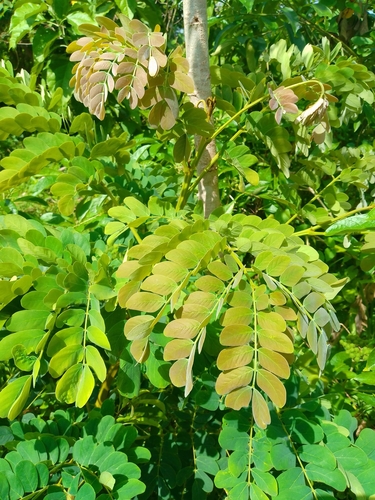
Caragana frutex
(L.) K. Koch
Russian pea shrub
iNaturalist· cc-by-nc
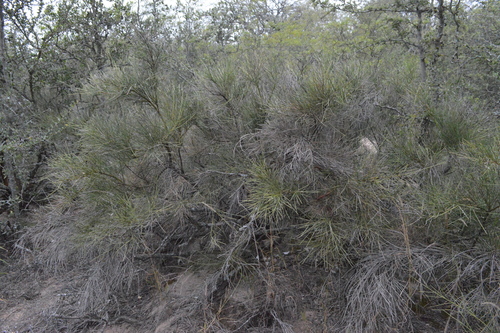
(c) Ludmila Pozhidaeva, some rights reserved (CC BY-NC), uploaded by Ludmila Pozhidaeva
iNaturalist· cc-by-nc
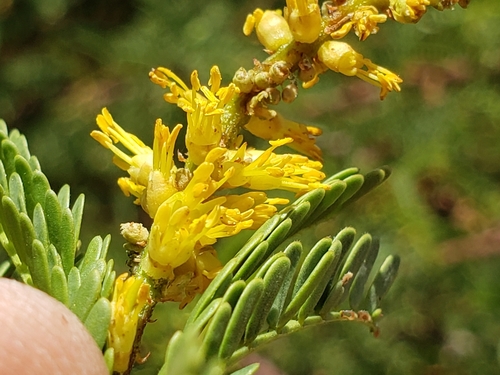
(c) bio8seit, some rights reserved (CC BY-NC), uploaded by bio8seit
Summary
Source: WikipediaCaragana frutex is a species of flowering plant belonging to the family Fabaceae. Its native range is Bulgaria to China.
Description
A shrub. It grows 2 m tall. The leaves have 4 leaflets. They are 6-10 mm long by 3-5 mm wide. The pods are cylinder shaped and 2-3 cm long.
This description is brief — help expand it
Edible Uses
As a member of the Legume family, this species is likely to produce edible pods and peas in the manner typical of Caragana. The pods are cylinder-shaped and 2–3 cm (about 1 inch) long. No specific reference confirming edibility for this species could be found, but it is considered probable.
Medicinal Uses
None known.
Distribution
It is a temperate plant. In western China plants grow on dry slopes and woodlands between 1,000-2,500 m above sea level. It grows in hardiness zones 2-8.
Where It Grows
Asia, Belarus, Bulgaria, Central Asia, China, Europe, Kazakhstan, Mongolia, Russia, Siberia, Ukraine, USA,
Propagation
Seed is best sown as soon as it is ripe in a cold frame, where it typically germinates within 2 weeks. Stored seed should be pre-soaked for 24 hours in warm water before sowing in a cold frame. If the seed has not swollen after soaking, scarify it and re-soak for a further 12 hours before sowing. Germination usually occurs within 2–3 weeks at 20°C, with a good success rate. Once seedlings are large enough to handle, prick them out into individual pots and grow on in a greenhouse for at least their first winter, then plant out into permanent positions in late spring or early summer after the last expected frosts. Cuttings of half-ripe wood, 7–10cm with a heel, can be taken in midsummer and rooted in a frame. Layering can be carried out in spring.
Other Uses
The plant is useful for stabilising soil on slopes and fixes nitrogen. It is also grown as an ornamental in gardens, and its wildlife value makes it a suitable candidate for food forest plantings.
Production
In China plants flower in May ad June and fruit in July.
Synonyms
References (1)
- Jackes, D. A., Edible Forest Gardens