Syzygium simile
(Merr.) Merr.
iNaturalist· cc-by-nc
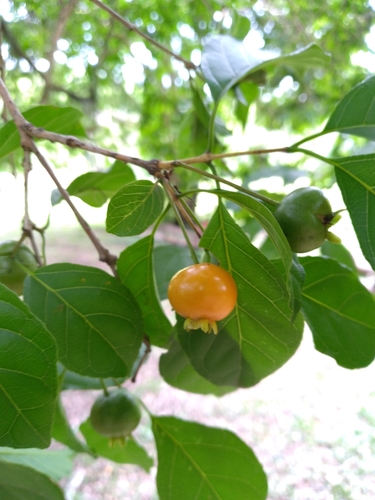
(c) Gordon Chen, some rights reserved (CC BY-NC), uploaded by Gordon Chen
iNaturalist· cc-by
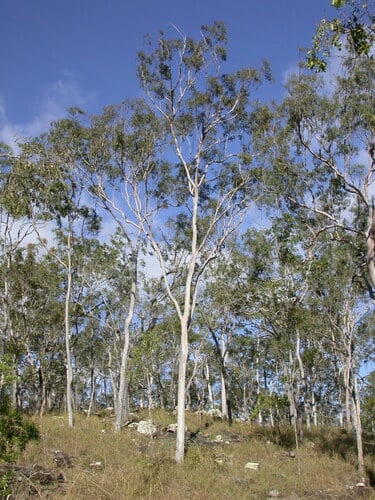
(c) 胡正恆(Jackson Hu), some rights reserved (CC BY), uploaded by 胡正恆(Jackson Hu)
iNaturalist· cc-by-nc
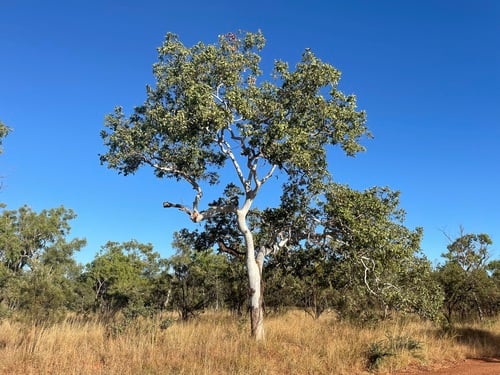
(c) Gordon Chen, some rights reserved (CC BY-NC), uploaded by Gordon Chen
Description
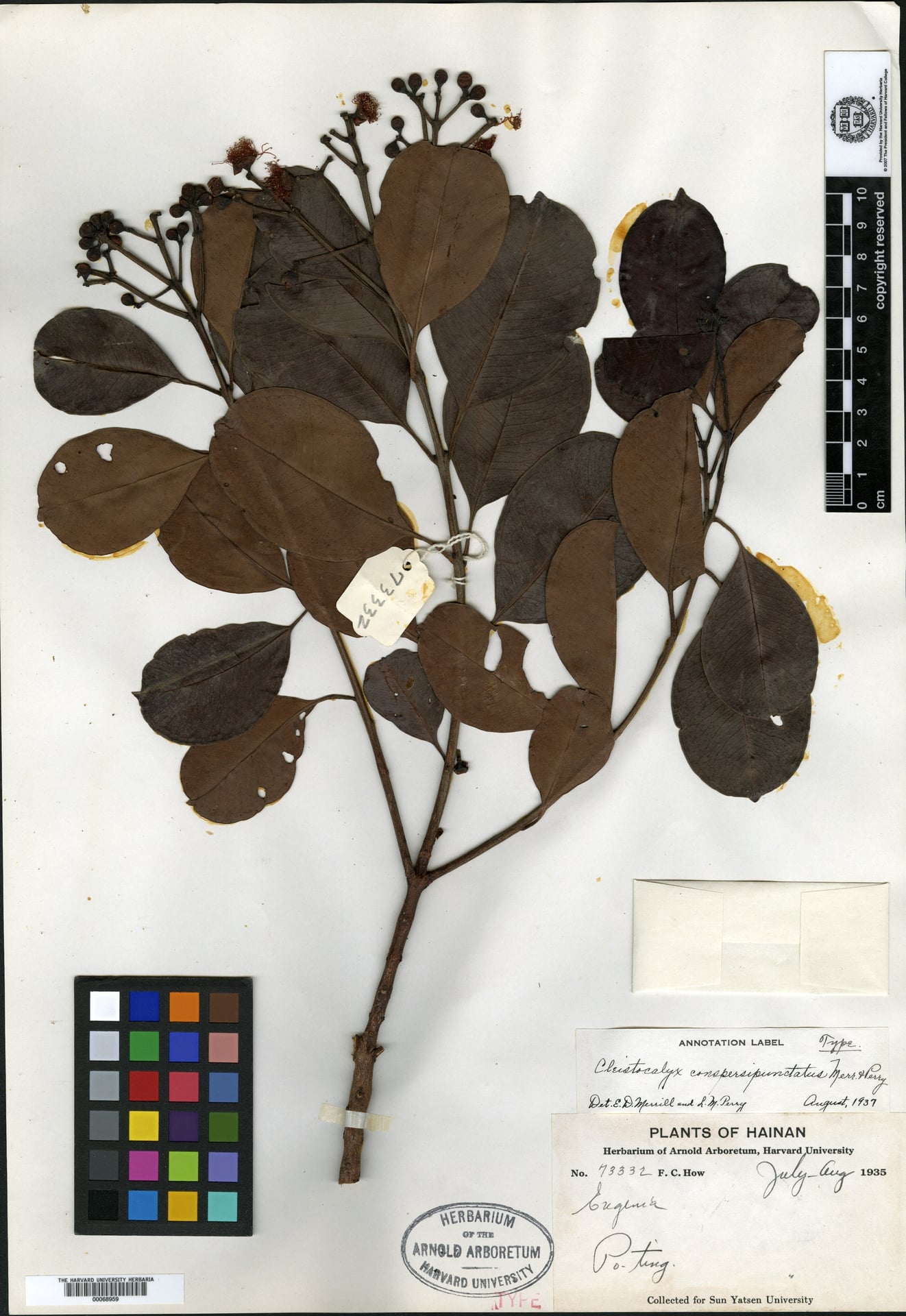
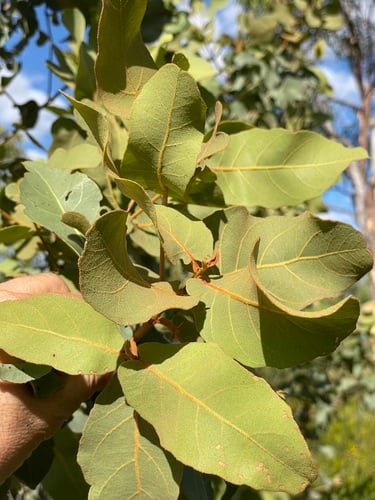
A medium size tree. The twigs are slender and round. The leaves and the ends of branches are smooth. The leaves are opposite, oblong, and with the base blunt. The flowers are clustered along the branches mostly below the leaves. The flowers are whitish and in clusters of 3. They do not have stalks and come from the ends of small branches. The fruit are nearly round and purplish to nearly black when mature.
Edible Uses
Fruit - raw. The pulp is eaten. The fruit is a purplish to black, subglobose berry. The fruit is borne in small clusters of up to three.
Traditional Uses
The fleshy layer around the seeds is eaten raw.
This uses section is brief — help expand it
Distribution
A tropical plant. They occur in the forests up to middle elevations from Luzon to Mindanao in the Philippines.
Where It Grows
Asia, Pacific, Philippines, SE Asia, Taiwan,
Cultivation
Plants can be grown by seed.
Propagation
Seed - best sown as soon as it is ripe.
Synonyms
Also Known As
Arang, Butik, Futik, Malaruhat, Maralumboy, Muning, Panglong buboien, Panglomboien, Panglongboien
References (4)
- Carig, Elizabeth T., 2020, Guidebook on Native Trees within the Quirino Forest Landscape. Plaridel, Bulacan, St. Andrew Publishing House. p 95
- Kuo, W. H. J., (Ed.) Taiwan's Ethnobotanical Database (1900-2000), http://tk.agron.ntu.edu.tw/ethnobot/DB1.htm
- Monsalud, M.R., Tongacan, A.L., Lopez, F.R., & Lagrimas, M.Q., 1966, Edible Wild Plants in Philippine Forests. Philippine Journal of Science. p 508
- PROSEA No. 2