Syzygium erythrodoxum
(S. Moore) B. Hyland
Misty satinash
iNaturalist· cc-by-nc
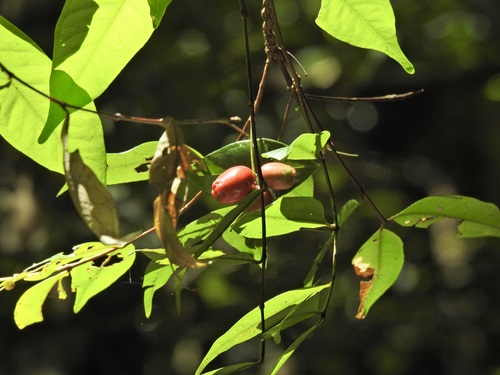
(c) Justin McMahon, some rights reserved (CC BY-NC), uploaded by Justin McMahon
Description
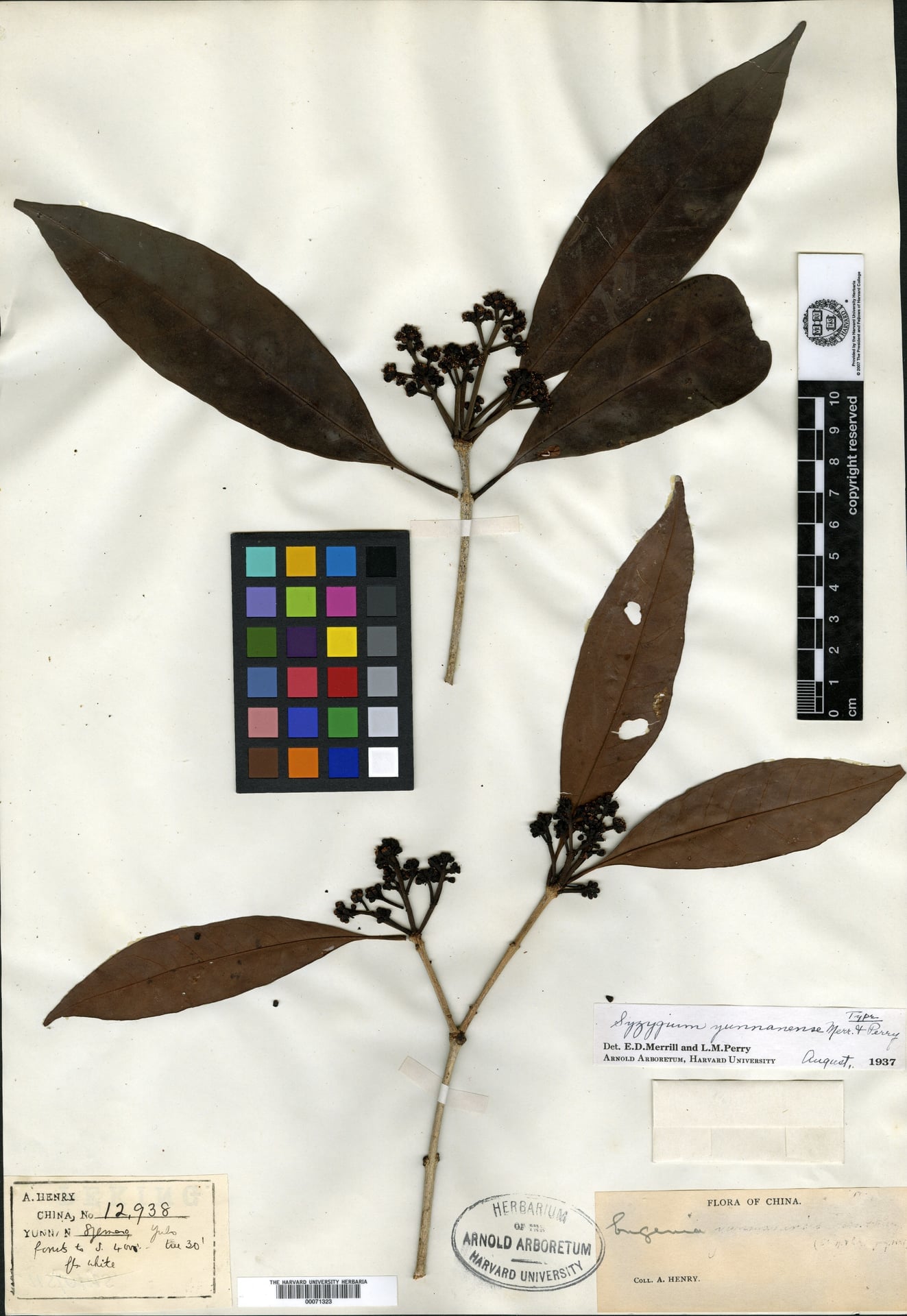
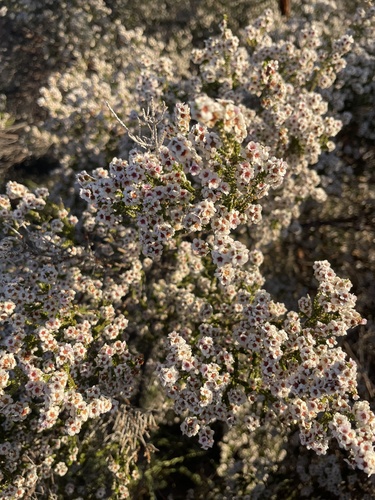
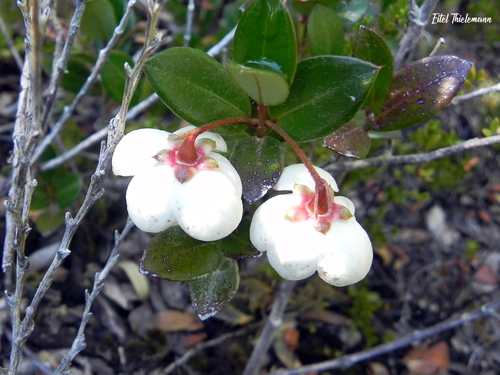
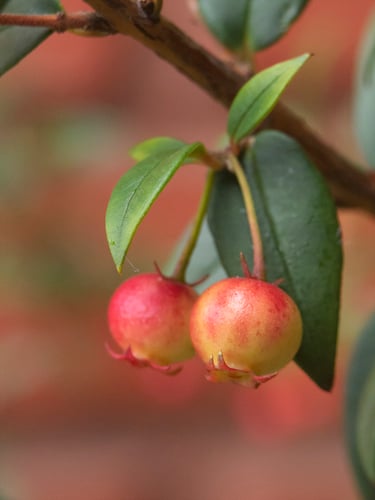
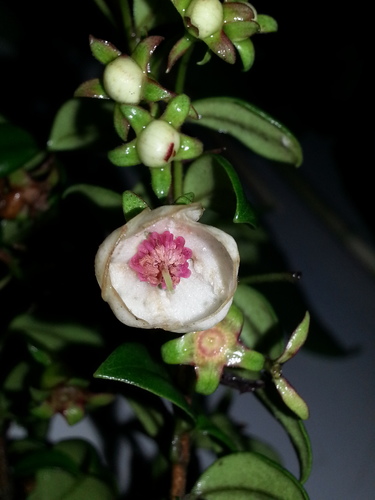
A small tree up to 8 m tall. The leaves are oblong and 10 cm long by 4 cm wide. They are dark green on the upper surface and paler underneath. The tip of the leaf is pointed. The flowers occur in small bunches on the ends of branches. The flowers can vary between cream to dark red. The fruit are rounded and 4.5 cm across. They are red when ripe.
Edible Uses
The ripe red fruits are eaten.
Known Hazards
Plants prefer shady positions and require plenty of moisture to thrive.
Distribution
A tropical plant. A rainforest species in northeast Queensland in Australia. It occurs between 600 and 1550 m above sea level. Plants prefer a shady position and need plenty of moisture.
Where It Grows
Australia*,
Cultivation
Plants can be grown from fresh seed.
Production
Flowers occur February to August and fruit ripen September to November.
Synonyms
References (3)
- Cooper, W. and Cooper, W., 2004, Fruits of the Australian Tropical Rainforest. Nokomis Editions, Victoria, Australia. p 362
- Jones D, L, 1986, Ornamental Rainforest Plants in Australia, Reed Books, p 78, 340
- Townsend, K., 1994, Across the Top. Gardening with Australian Plants in the tropics. Society for Growing Australian Plants, Townsville Branch Inc. p 345