Syagrus cocoides
Mart.
Ouricuru Palm, Pururima Oil
iNaturalist· cc-by-nc-sa
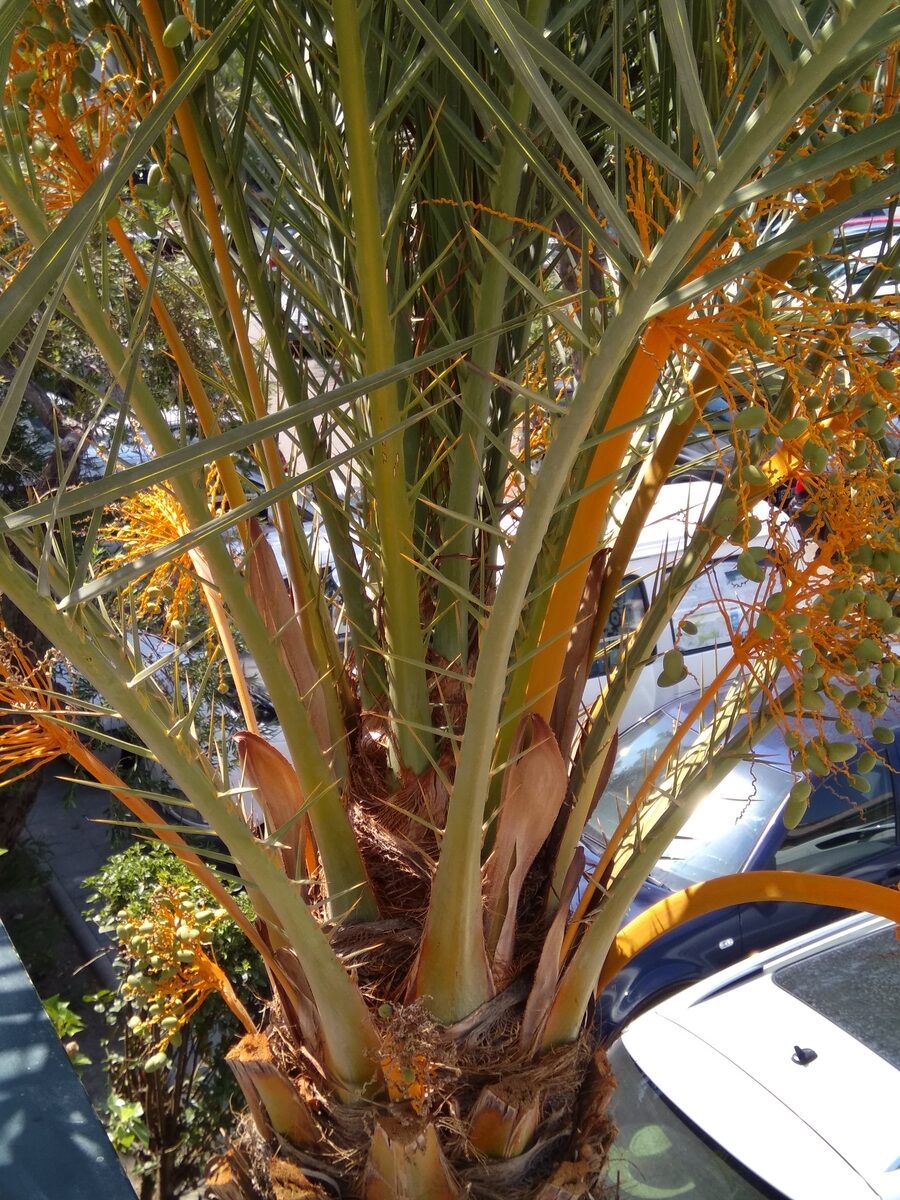
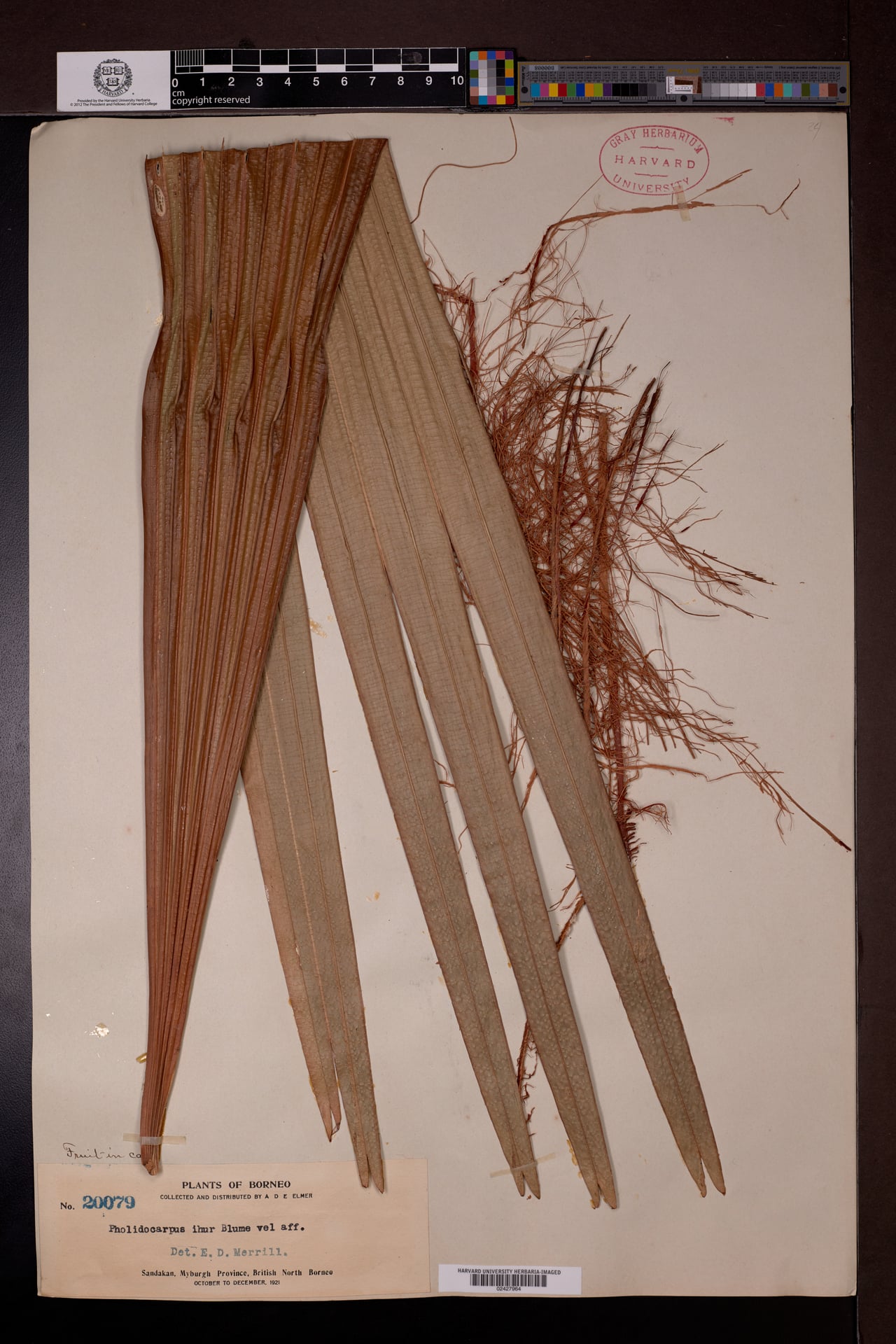
(c) Rich Hoyer, some rights reserved (CC BY-NC-SA), uploaded by Rich Hoyer
iNaturalist· cc-by-nc
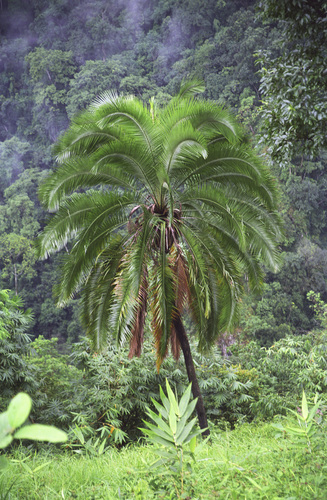
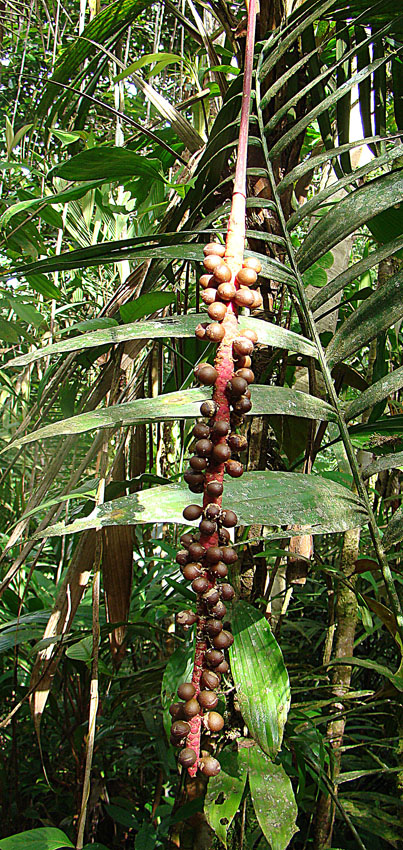
(c) leojales, some rights reserved (CC BY-NC)
Description
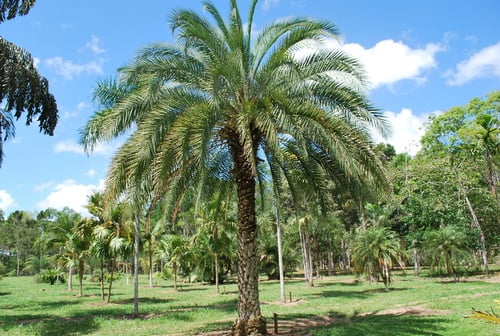
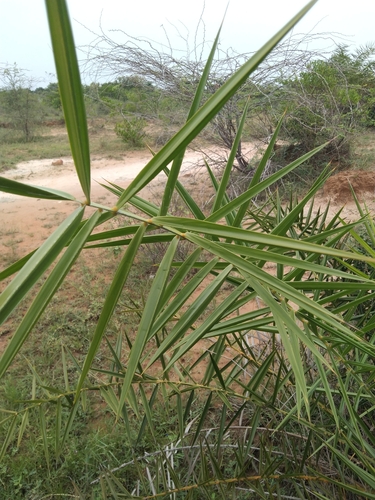
A palm with a slender trunk. It grows 12 m high. It is about 7-10 cm across. The trunk has indistinct rings. The crown has erect to arching fronds. The leaves are 3.3-4 m long. The leaflets are arranged in clusters around the stalk. They are thin and dark green and hang downwards. They grow at different angles giving a feathery appearance. The leaf stalk is covered with white mealy powder. The fruit are large. They are 6 cm long.
Edible Uses
The seed kernel is a source of pururima oil. We have no more information on the properties or uses of the oil - it is probably edible.
Distribution
A tropical plant. It grows in tropical and subtropical locations. It grows in moist to wet forests and woodlands. It cannot tolerate cold. It will grown in light shade but does better in full sun. It needs well drained soil.
Where It Grows
Amazon, Bolivia, Brazil, Guyana, South America,
Cultivation
Requires a sunny position in a well-drained soil.
Other Uses
The seed kernel is a source of pururima oil. We have no more information on the properties or uses of the oil - it is probably edible.
Other Information
It is a cultivated plant.
Notes
There are about 30 Syagrus species.
Synonyms
Also Known As
Jata, Piririma, Wore
References (9)
- Ferns, Useful Tropical Plants
- Henderson, A., Galeano, G and Bernal, R., 1995, Field Guide to the Palms of the Americas. Princeton. p 144
- Hist. nat. palm. 2:130, t. 89-90, 101, fig. 4-5. 1826
- Jones, D.L., 1994, Palms throughout the World. Smithtonian Institution, Washington. p 357
- Kermath, B. M., et al, 2014, Food Plants in the Americas: A survey of the domesticated, cultivated and wild plants used for Human food in North, Central and South America and the Caribbean. On line draft. p 842
Show all 9 references Hide references
- Menninger, E.A., 1977, Edible Nuts of the World. Horticultural Books. Florida p 142
- Poset, D. A., 2002, Kayapo Ethnoecology and Culture. Routledge
- Riffle, R.L. & Craft, P., 2003, An Encyclopedia of Cultivated Palms. Timber Press. p 456
- Wickens, G.E., 1995, Edible Nuts. FAO Non-wood forest products. FAO, Rome. p171