Suaeda fruticosa
(L.) Forssk. ex J.F.Gmel
Shrubby seablite
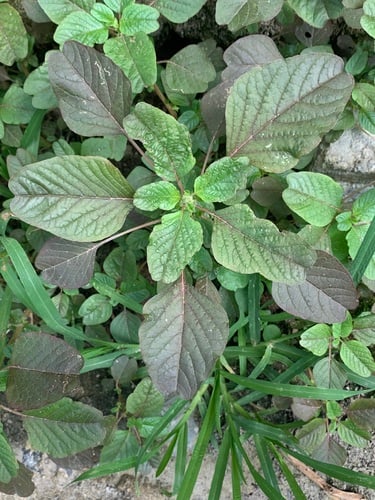
iNaturalist· cc-by-nc
(c) Nick Helme, some rights reserved (CC BY-NC), uploaded by Nick Helme
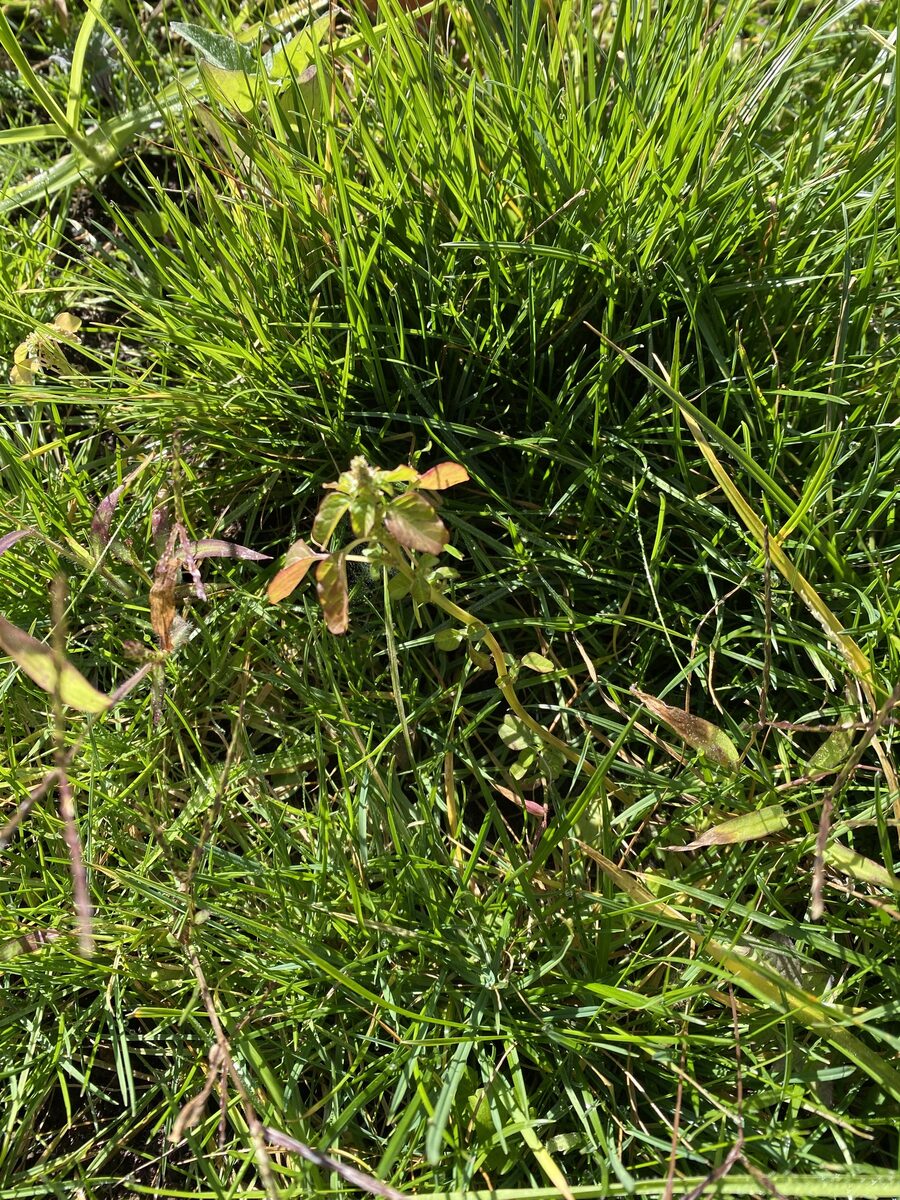
iNaturalist· cc-by-nc-sa
(c) David Hoare, some rights reserved (CC BY-NC-SA), uploaded by David Hoare
iNaturalist· cc-by-nc
(c) Abdul-lateef Ismail, some rights reserved (CC BY-NC), uploaded by Abdul-lateef Ismail
Summary
Source: WikipediaSuaeda fruticosa is a species of flowering plant in the family Amaranthaceae (formerly placed in the family Chenopodiaceae). It is a small shrub, with very variable appearance over its wide range. It is a halophyte, and occurs in arid and semi-arid saltflats, salt marshes and similar habitats.
Description
A herb or small shrub. It grows 1.6 m high. It has many branches. It spreads to 30-60 cm across. The leaves are alternate. They are scattered and narrow. The leaves are 6-8 mm long.
Edible Uses
Young leaves can be eaten raw or cooked and carry a salty flavour. The seeds are also edible raw or cooked.
Traditional Uses
The tender leaves and shoots are eaten.
This uses section is brief — help expand it
Medicinal Uses
The leaves can be applied as a poultice to treat ophthalmia. When infused in water, they act as an emetic.
Distribution
It is a Mediterranean climate plant. It grows on salt land. In Argentina it grows below 500 m above sea level.
Where It Grows
Afghanistan, Africa, Angola, Argentina, Asia, Botswana, Britain, Central Africa, East Africa, Egypt, Eritrea, Europe, India, Iraq, Mediterranean, Middle East, North Africa, Pakistan, Palestine, Saudi Arabia, Somalia, South America, St Helena,
Cultivation
Dislikes shade. Succeeds in saline soils and tolerates maritime exposure.
Propagation
Sow seed in spring, direct in situ.
Other Uses
The plant has a high potassium content and is commonly burnt to produce potash, which is used in the manufacture of soap and glass.
Other Information
The leaves are sold in markets.
Notes
Also put in the family Chenopodiaceae.
Synonyms
Also Known As
Bui, Chhoti-lani, Dana, Ishuklani, Kasakasa, Lana, Lni-ni-bhaji, Lonia, Lunak, Lunki, Moras, Nunkhuri, Xudhuun
References (5)
- Ambasta, S.P. (Ed.), 2000, The Useful Plants of India. CSIR India. p 607
- Fl. aegypt.-arab. 70. 1775 (basionym: Chenopodium fruticosum L.)
- Plants for a Future database, The Field, Penpol, Lostwithiel, Cornwall, PL22 0NG, UK. http://www.scs.leeds.ac.uk/pfaf/
- Shah, G.L., 1984, Some economically important plant of Salsette Island near Bombay. J. Econ. Tax. Bot. Vol. 5 No. 4 pp 753-765
- Thiselton-Dywer, W.T., (Ed.), 1913, Flora of Tropical Africa. Vol VI-section 1. Reeve, p 91