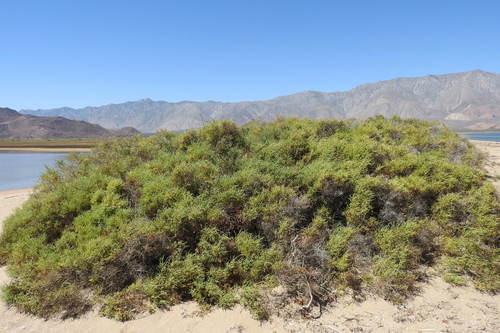
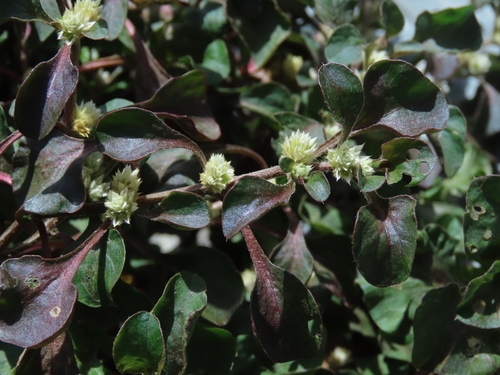
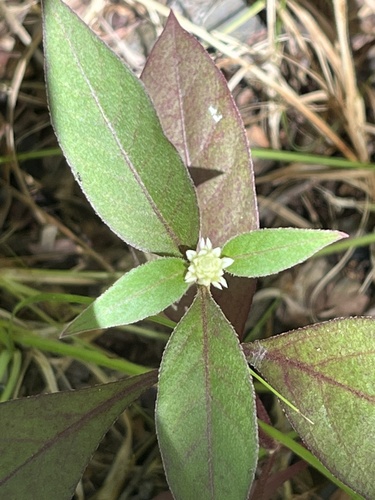
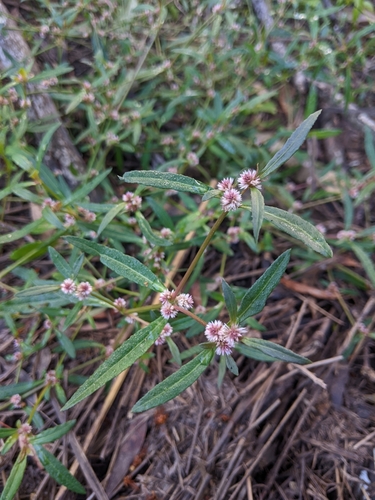
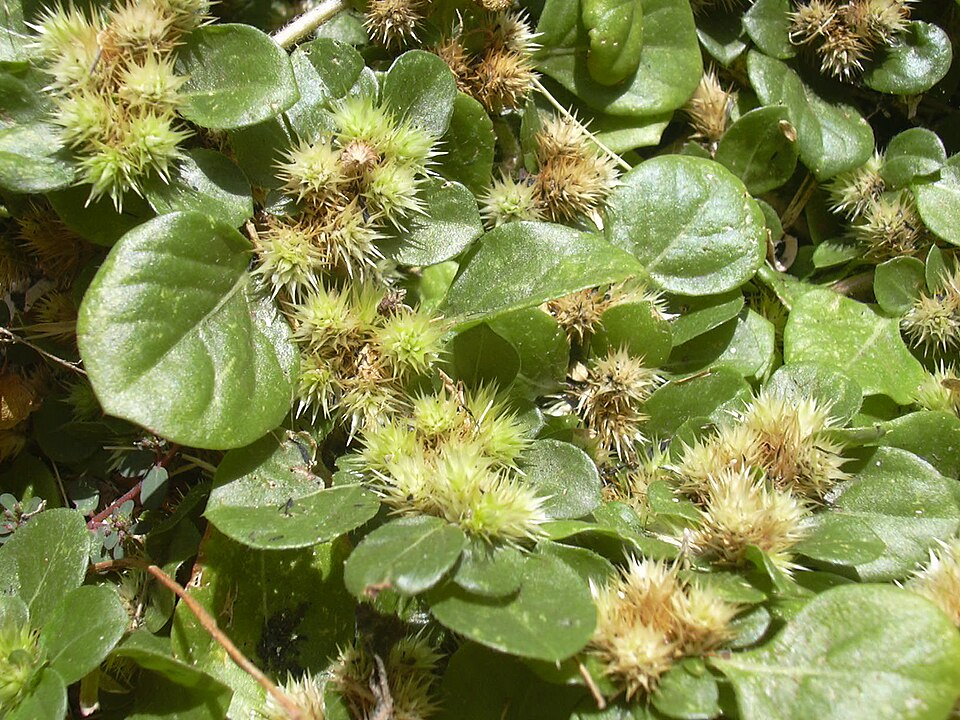
Atriplex lapathifolia
Rydb.
Sorrel leaf orach
wikimedia· cc-by-sa
Stan Shebs (via Wikimedia Commons)
Summary
Source: WikipediaAn annual growing to 0.9 m (3ft) tall. Wind-pollinated and monoecious. Adapts to light sandy or medium loamy, well-drained soils with poor to moderate fertility. Tolerates mildly acid to very alkaline and saline soils. Requires full sun and handles both dry and moist conditions with drought tolerance. Withstands strong winds but not maritime exposure.
Description
An annual growing to 0.9 m (3ft) tall. Wind-pollinated and monoecious. Adapts to light sandy or medium loamy, well-drained soils with poor to moderate fertility. Tolerates mildly acid to very alkaline and saline soils. Requires full sun and handles both dry and moist conditions with drought tolerance. Withstands strong winds but not maritime exposure.
Edible Uses
Edible Parts: Leaves Seed Edible Uses: Young leaves - cooked. Seed - cooked. Used in piñole or ground into a meal and used as a thickener in soups and stews, or mixed with cereal flours to enhance their nutritional value when making bread, biscuits, cakes etc.
Medicinal Uses
None known
Known Hazards
No member of this genus contains any toxins, all have more or less edible leaves. However, if grown with artificial fertilizers, they may concentrate harmful amounts of nitrates in their leaves.
Distribution
It is a temperate plant.
Where It Grows
North America, USA,
Cultivation
We have very little information on this species and do not know if it will be hardy in Britain, though it should be possible to grow it as a spring-sown annual. It is quite possibly no more than a synonym for A. patula. It does not appear in the Flora of North America and so this name is of rather dubious standing. The following notes are based on the general needs of the genus. Succeeds in full sun in any well-drained but not too fertile soil. Most species in this genus tolerate saline and very alkaline soils.
Propagation
Seed - sow April/May in situ. Germination is usually rapid.
Other Uses
None known Special Uses
Notes
There are about 100-300 Atriplex species. They have also been put in the family Chenopodiaceae.
Synonyms
References (1)
- Plants for a Future database, The Field, Penpol, Lostwithiel, Cornwall, PL22 0NG, UK. http://www.scs.leeds.ac.uk/pfaf/