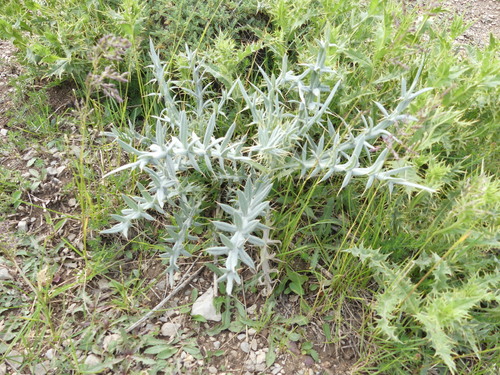
Stevia rebaudiana
(Bertoni) Bertoni
Stevia, Sweet Herb Of Paraguay, Sugar-leaf
iNaturalist· cc-by-nc
(c) lskrida, some rights reserved (CC BY-NC)
iNaturalist· cc-by
(c) Thomaz Ricardo Favreto Sinani, some rights reserved (CC BY)
iNaturalist· cc-by
(c) Thomaz Ricardo Favreto Sinani, some rights reserved (CC BY)
Summary
Source: WikipediaStevia rebaudiana is a plant species in the genus Stevia of the family Asteraceae. It is commonly known as candyleaf, sweetleaf or sugarleaf. It is a small seasonal plant which grows to a height of 30–60 centimetres (1–2 feet). It has elongated leaves that grow along the stems and are lined up against each other. The flowers are typically trimmed to improve the taste of the leaves. Stevia is a tender perennial native to parts of Brazil and Paraguay having humid, wet environments. Stevia is widely grown for its leaves, from which extracts can be manufactured as sweetener products known generically as stevia and sold under various trade names. The chemical compounds that produce its sweetness are various steviol glycosides (mainly stevioside and rebaudioside), which have 200–300 times the sweetness of sugar. Stevia leaves contain 9.1% stevioside and 3.8% rebaudioside A.
Description
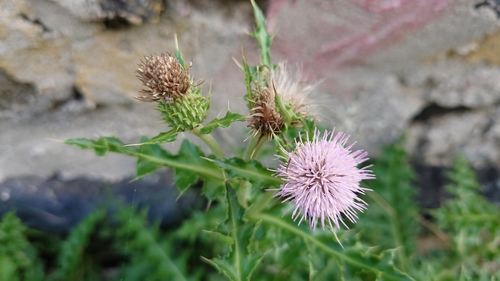
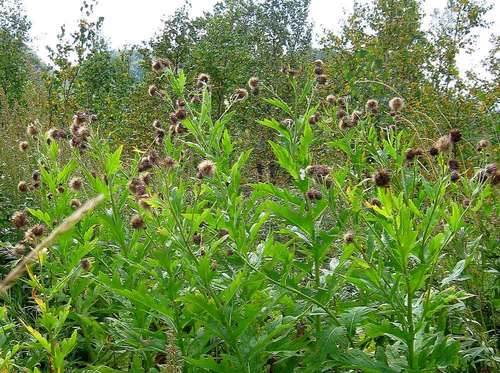
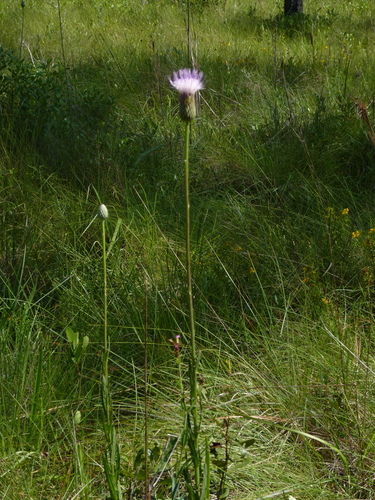
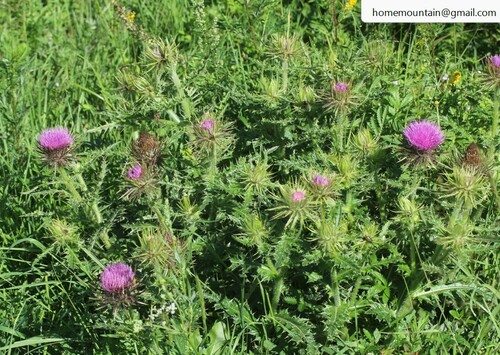
A perennial shrub. It grows to 0.5-1 m tall. Plants are clumpy bushes about 75 cm high and 60 cm wide. The leaves are 2-3 cm long. They are small, oblong and have teeth around the edge. The flower heads are on the tips of stems. They are in clusters and are white. The fruit are very small and have one seed. They have feathery plumes which help them spread.
Edible Uses
The leaves have a very sweet, liquorice-like flavour and can be eaten raw, cooked as a vegetable, or chewed by those wishing to reduce their sugar intake. They contain 'stevioside', a substance approximately 300 times sweeter than sucrose, though other reports cite the active compound as 'estevin', which is 150 times sweeter than sugar by weight. Dried leaves can be ground and used as a sweetener or soaked in water, with the resulting liquid used in making preserves. Powdered leaves are also added to herb teas.
Traditional Uses
The leaves are dried and can be used for sweetening. They are also used to make a tea. They can also be cooked and eaten as a vegetable. The powdered herb is used as a sugar substitute.
Medicinal Uses
Hypoglycaemic properties are noted.
Known Hazards
May cause dizziness, headache, flatulence, nausea & muscle pain. Caution with diabetic patients. May increase blood pressure lowering effects of allopathic medicine.
Distribution
A tropical and subtropical plant. It is frost tender. It requires a warm and sunny location. It can grow on a range of soils and suits sandy soils. It grows naturally on infertile, sandy acid soils. They do best in rich loamy soil. Composting or mulching is needed on sandy soils. They cannot stand water-logging but need constant soil moisture. Soil temperatures above 10-15°C are needed for satisfactory plant growth. It grows naturally in semi-humid subtropical climates with temperatures between 21°-43°C. It grows where average temperatures are 24°C. It often grows in places with shallow water tables. It requires short day-lengths. It grows in areas with up to 1375 mm of rain a year.
Where It Grows
Andorra, Asia, Australia, Brazil*, Canada, China, Georgia, India, Indochina, Israel, Mediterranean, Middle East, North America, Paraguay*, SE Asia, South America, Tasmania, Thailand, Uruguay, Uzbekistan,
Cultivation
The seed are only sown shallowly. Seeds are slow and difficult to get to germinate. It can be grown from cuttings. It is best to select cuttings from known sweet (high stevioside) plants. Plants should be spaced 40-50 cm apart. Harvesting is done by pruning off the branches then removing the leaves. The plants can be grown for 2 years then are best replanted.
Propagation
Sow seed in spring in a warm greenhouse, barely covering the seed, and ensure the compost does not dry out. Prick seedlings out into individual pots and grow on quickly, planting out after the last expected frosts. Some protection such as a cloche or cold frame for a few weeks after planting out is worthwhile until plants are establishing well.
Other Uses
None known
Production
Sweetness increases with longer growing periods and as temperatures and daylength decrease moving the plant towards a flowering state. The plant is dried and threshed to remove the stem material which has little sweetener content. Leaves can be sold in this condition or are further processed.
Other Information
A potentially useful plant that has been restriced by law in the USA because it competes with nutrasweet! It is widely used in Japan. It is cultivated.
Notes
There are about 235 Stevia species in the neotropics. It is a sweetener much more effective than sucrose. It reduces blood sugar and contains few calories. It is therefore used as a medicine for diabetes and to lower blood pressure. It has antioxidants.
Synonyms
Also Known As
Candyleaf, Caa-ehe
References (15)
- Anales Ci. Parag. ser. 1, 5:3. 1905
- Bortolotto, I. M., et al, 2018, Lista preliminar das plantas alimenticias nativas de Mato Grosso do Sul, Brasil. Iheringia, Serie Botanica, Porto Alegre, 73 (supl.):101-116
- Darley, J.J., 1993, Know and Enjoy Tropical Fruit. P & S Publishers. p 132
- Facciola, S., 1998, Cornucopia 2: a Source Book of Edible Plants. Kampong Publications, p 42
- Gonzalez, C., et al, 2014, Main properties of steviol glycosides and their potential in the food industry: a review. Fruits, Vol. 69, p. 127-141
Show all 15 references Hide references
- Hu, Shiu-ying, 2005, Food Plants of China. The Chinese University Press. p 748
- Hermandez Bermejo, J.E., and Leon, J. (Eds.), 1994, Neglected Crops. 1492 from a different perspective. FAO Plant Production and Protection Series No 26. FAO, Rome. p 20
- Hibbert, M., 2002, The Aussie Plant Finder 2002, Florilegium. p 294
- Kermath, B. M., et al, 2014, Food Plants in the Americas: A survey of the domesticated, cultivated and wild plants used for Human food in North, Central and South America and the Caribbean. On line draft. p 838
- Kiple, K.F. & Ornelas, K.C., (eds), 2000, The Cambridge World History of Food. CUP p 1858
- Morton, 1976,
- Plants for a Future database, The Field, Penpol, Lostwithiel, Cornwall, PL22 0NG, UK. http://www.scs.leeds.ac.uk/pfaf/
- Tadhani, M. B., et al, 2007, In vitro antioxidant activities of Stevia rebaudiana leaves and callus. Journal of Food Composition and Ananalysis 20 (2007) 323–329
- Wiersema, J. H. & Leon, B., 2013, World Economic Plants. A Standard Reference CRC Press. 2nd Ed. p 661
- World Checklist of Useful Plant Species 2020. Royal Botanic Gardens, Kew