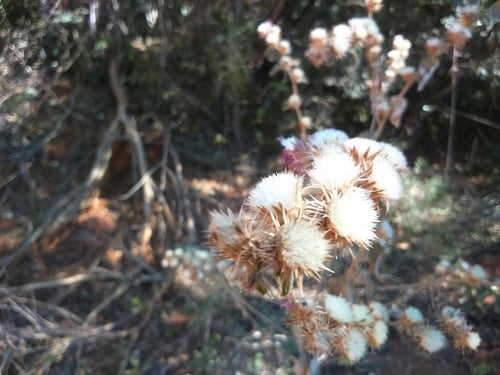
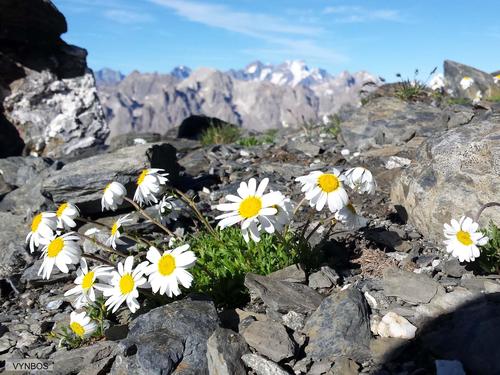
Sonchus asper subsp. glaucescens
(L.) Hill, Jordan Baill
Spiny sow thistle
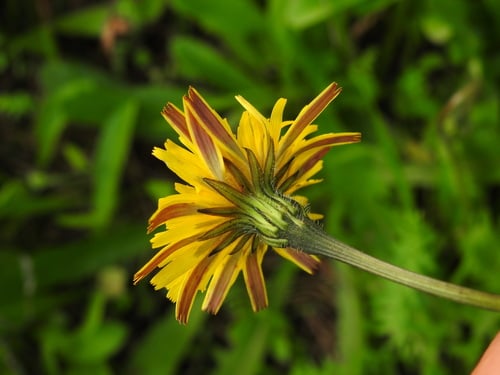
iNaturalist· cc-by-nc
(c) Marco Grandis, some rights reserved (CC BY-NC), uploaded by Marco Grandis
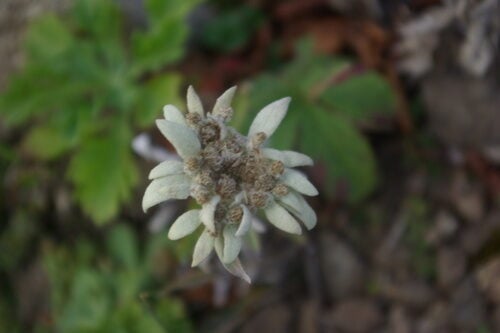
iNaturalist· cc-by-nc
(c) Nathan Taylor, some rights reserved (CC BY-NC)
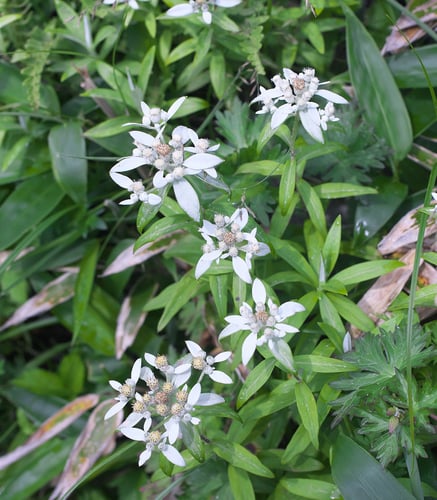
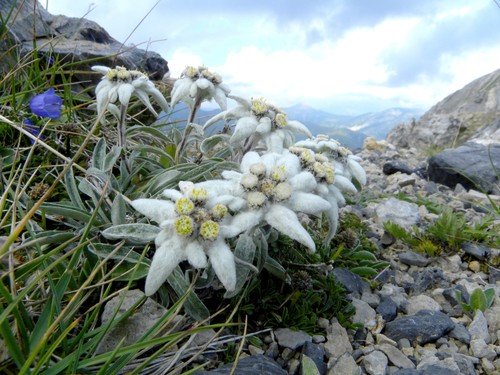
iNaturalist· cc-by-nc
(c) Nathan Taylor, some rights reserved (CC BY-NC)
Summary
Source: WikipediaSonchus asper, the prickly sow-thistle, rough milk thistle, spiny sowthistle, sharp-fringed sow thistle, or spiny-leaved sow thistle, is a widespread flowering plant in the tribe Cichorieae within the family Asteraceae.
Description
A biennial herb in the daisy family with a two-year life cycle that tolerates both temperate and arid conditions. The leaves and stems are edible.
This description is brief — help expand it
Edible Uses
The leaves are cooked and eaten as a vegetable; stems and roots are also edible portions.
Traditional Uses
The leaves are cooked and eaten as a vegetable.
This uses section is brief — help expand it
Distribution
A temperate plant. It can grow in arid places.
Where It Grows
Afghanistan, Africa, Albania, Algeria, Australia, Austria, Azores, Balkans, Bolivia, Britain, Bulgaria, Canary Island, Crete, Croatia, Egypt, Ethiopia, Europe, France, Greece, Hawaii, Iran, Iraq, Israel, Italy, Jordan, Lebanon, Libya, Mediterranean, Middle East, Morocco, North Africa, Portugal, Romania, Sicily, Spain, Switzerland, Syria, Tasmania, Tunisia, Turkey, Türkiye, Yugoslavia,
Notes
The plant in Tasmania is probably Sonchus asper.
Synonyms
Also Known As
Callicaotu, Cardiddazza, Cardinnastra, Diken otu, Eşek dikeni, Eşek helvası, Helvacık, Ozsutlu, Su kangali, Sutlot, Sutlen, Sutluk, Sutluotu, Zochos
References (11)
- Dogan, Y., 2012, Traditionally used wild edible greens in the Aegean Region of Turkey. Acta Societatis Botanicorum Poloniae 81(4): 329-342
- Dogan, Y. et al, 2013, Wild Edible Plants sold in the Local Markets of Izmir, Turkey. Pak. J. Bot. 45(S1): 177-184
- Ertug, F., 2000, An Ethnobotanical Study in Central Anatolia (Turkey). Economic Botany Vol. 54. No. 2. pp. 155-182
- Ertug, F, Yenen Bitkiler. Resimli Türkiye Florası -I- Flora of Turkey - Ethnobotany supplement
- Geraci, A., et al, 2018, The wild taxa utilized as vegetables in Sicily (Italy): a traditional component of the Mediterranean diet. Journal of Ethnobiology and Ethnomedicine (2018) 14:14
Show all 11 references Hide references
- Kizilarslan, C. & Ozhatay, N., 2012, An ethnobotanical study of the useful and edible plants of İzmit. Marmara Pharmaceutical Journal 16: 134-140, 2012.
- Luczaj et al, 2013, Wild vegetable mixes sold in the markets of Dalmatia (southern Croatia). Journal of Ethnobiology and Ethnomedicine. 8:2
- Özdemir, E. and Kültür, S., 2017, Wild Edible Plants of Savaştepe District (Balıkesir, Turkey), Marmara Pharm J 21/3: 578-589
- Psaroudaki, A., et al, 2012, Ten Indigenous Edible Plants: Contemporary Use in Eastern Crete, Greece. Culture, Agriculture, Food and Environment Vol. 34, Issue 2 pp. 172–177
- Psaroudaki, A., et al, 2015, Genetic structure and population diversity of eleven edible herbs of Eastern Crete. Journal of Biological Research-Thessaloniki, 22:7
- Royal Botanic Gardens, Kew (1999). Survey of Economic Plants for Arid and Semi-Arid Lands (SEPASAL) database. Published on the Internet; http://www.rbgkew.org.uk/ceb/sepasal/internet [Accessed 14th April 2011]