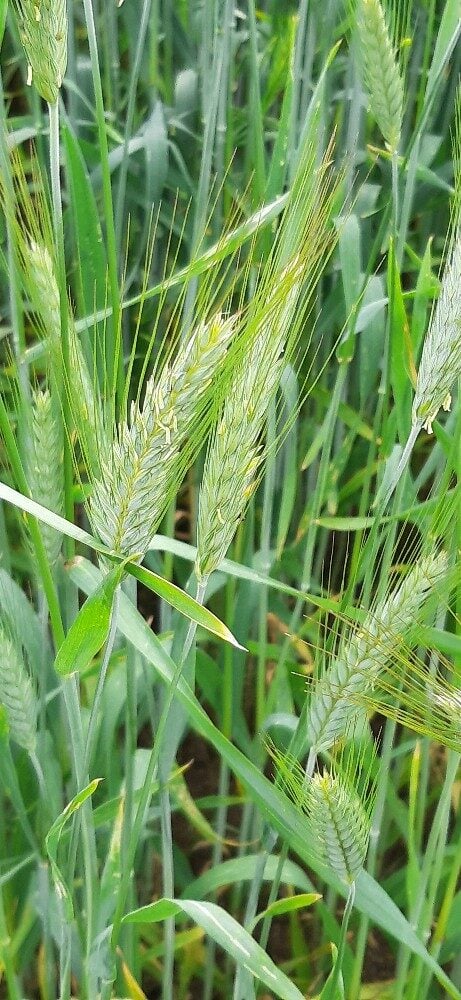
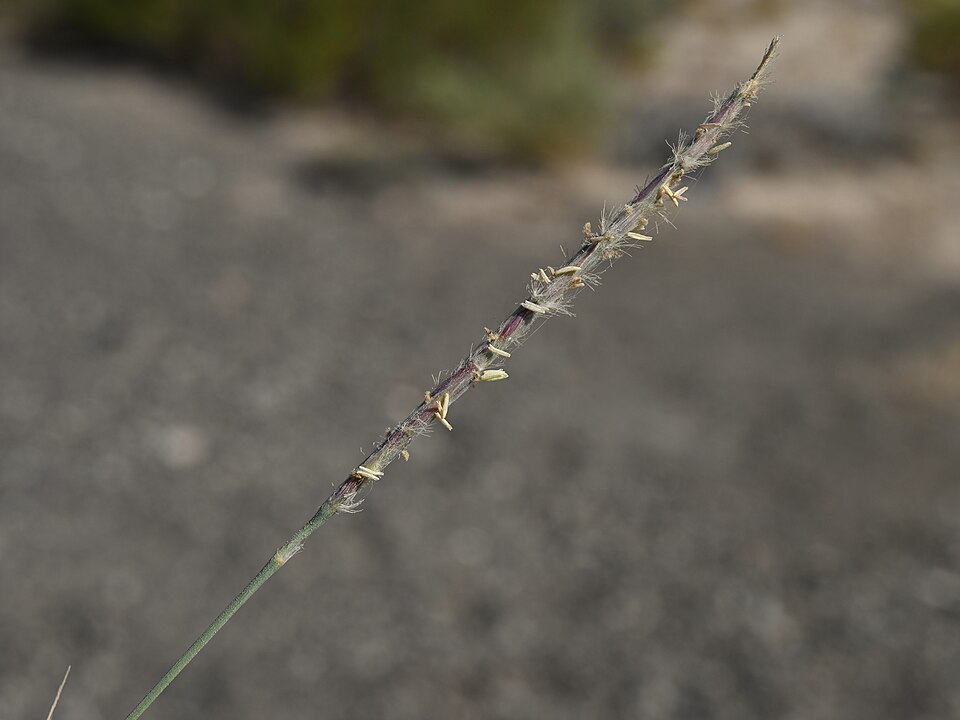
Sporobolus panicoides
A. Rich.
Famine grass
iNaturalist· cc-by-nc
(c) Malcolm Douglas, some rights reserved (CC BY-NC), uploaded by Malcolm Douglas
iNaturalist· cc-by-nc
(c) Malcolm Douglas, some rights reserved (CC BY-NC)
Description
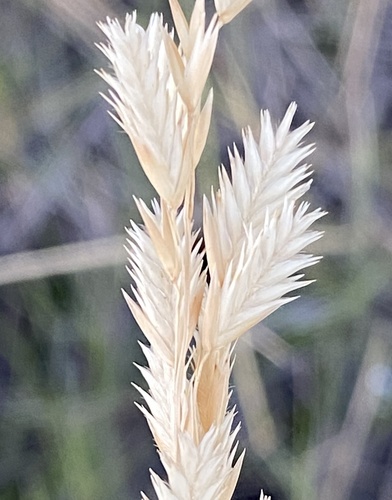
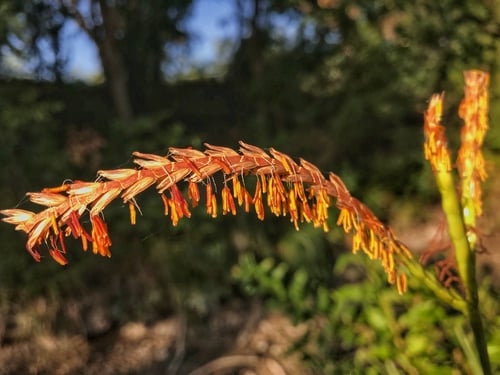
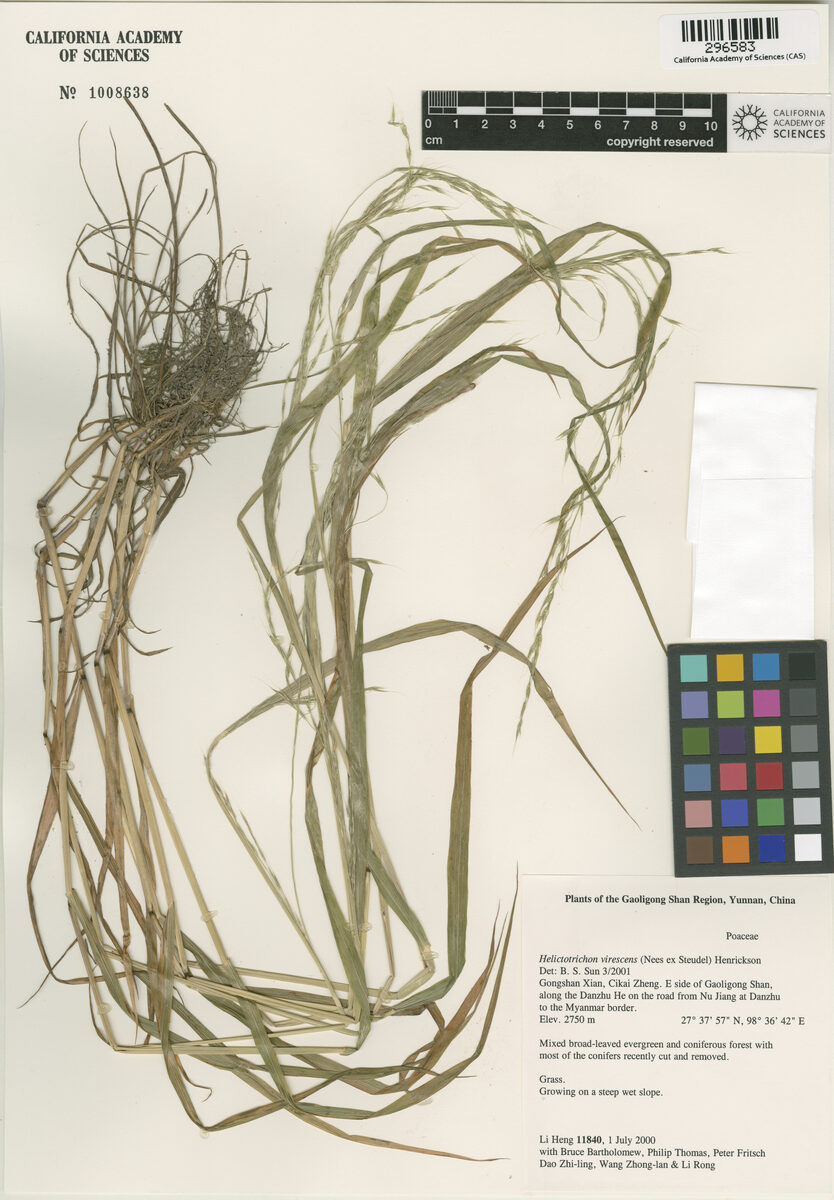
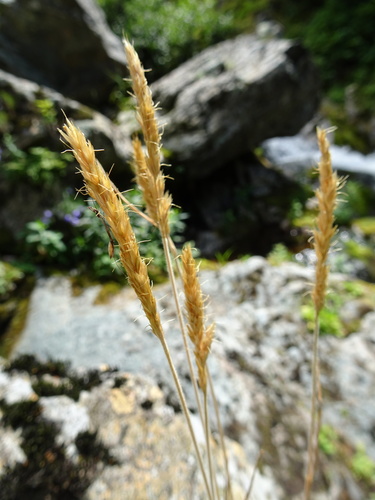
An annual grass. It forms loose tufts. It grows 1 m high. The leaf sheaths are papery. The leaf blade is 5-30 cm long by 2-6 mm wide. It can be flat or rolled inwards. The flower panicle is 4-22 cm long. It is narrowly oval. It forms branches in a succession of rings. There are 1-4 spikelets per branch. The seeds or grains are 1.2-1.7 mm across. They are round.
Edible Uses
The seeds or grains are edible and can be used as a cereal.
Distribution
A tropical plant. It grows in dry sandy soil in shade near deciduous bushland. It also grows on seasonally wet soils. It grows between 90-1,250 m altitude.
Where It Grows
Africa, Arabia, Botswana, East Africa, Ethiopia, Malawi, Middle East, Mozambique, Niger, Sierra Leone, South Africa, Southern Africa, Sudan, Uganda, West Africa, Zambia, Zimbabwe,
Propagation
Seed - sow in situ and only just cover the seed. Germination should take place within 2 weeks. Division in spring. Larger divisions can be planted out direct into their permanent positions.
Notes
There are about 160 Sporobolus species. They are mainly in the tropics and subtropics.
Synonyms
References (9)
- Burkill, H. M., 1985, The useful plants of west tropical Africa, Vol. 2. Kew.
- Flora Zambesiaca. http://apps.kew.org/efloras
- Fowler, D. G., 2007, Zambian Plants: Their Vernacular Names and Uses. Kew. p 87
- Peters, C. R., O'Brien, E. M., and Drummond, R.B., 1992, Edible Wild plants of Sub-saharan Africa. Kew. p 28
- Pickering, H., & Roe, E., 2009, Wild Flowers of the Victoria Falls Area. Helen Pickering, London. p 97
Show all 9 references Hide references
- Tent. fl. abyss. 2:399. 1850
- Tredgold, M.H., 1986, Food Plants of Zimbabwe. Mambo Press. p 28
- Wild, 1975,
- World Checklist of Useful Plant Species 2020. Royal Botanic Gardens, Kew