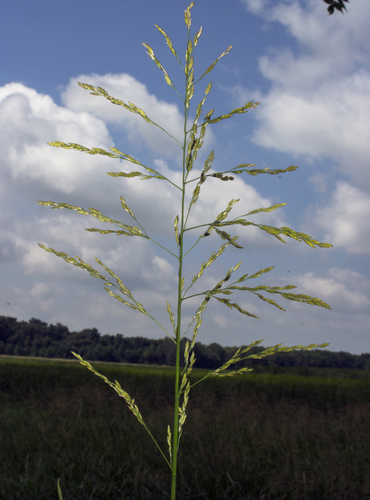
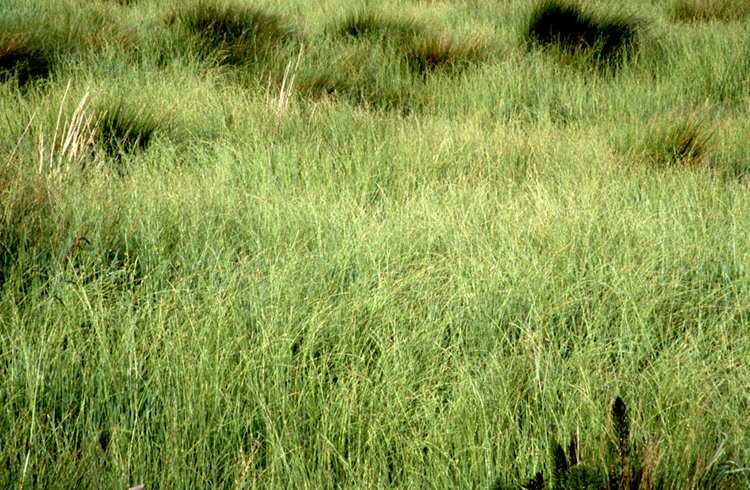
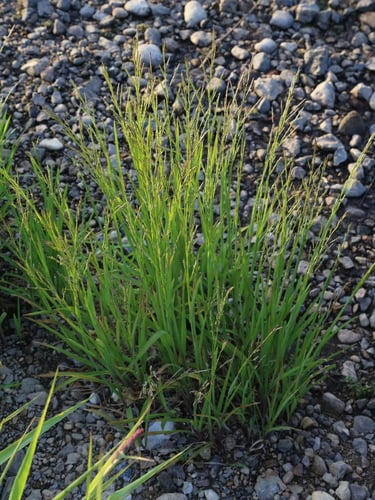
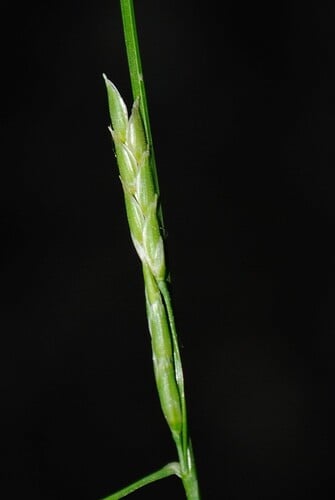
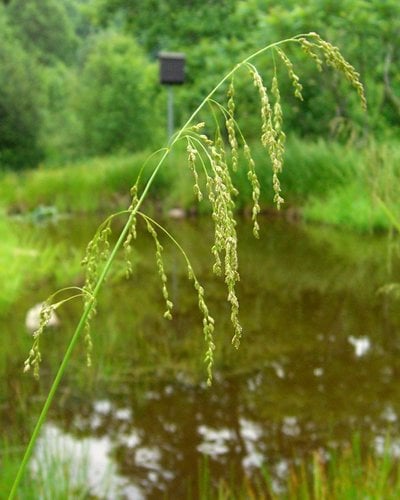
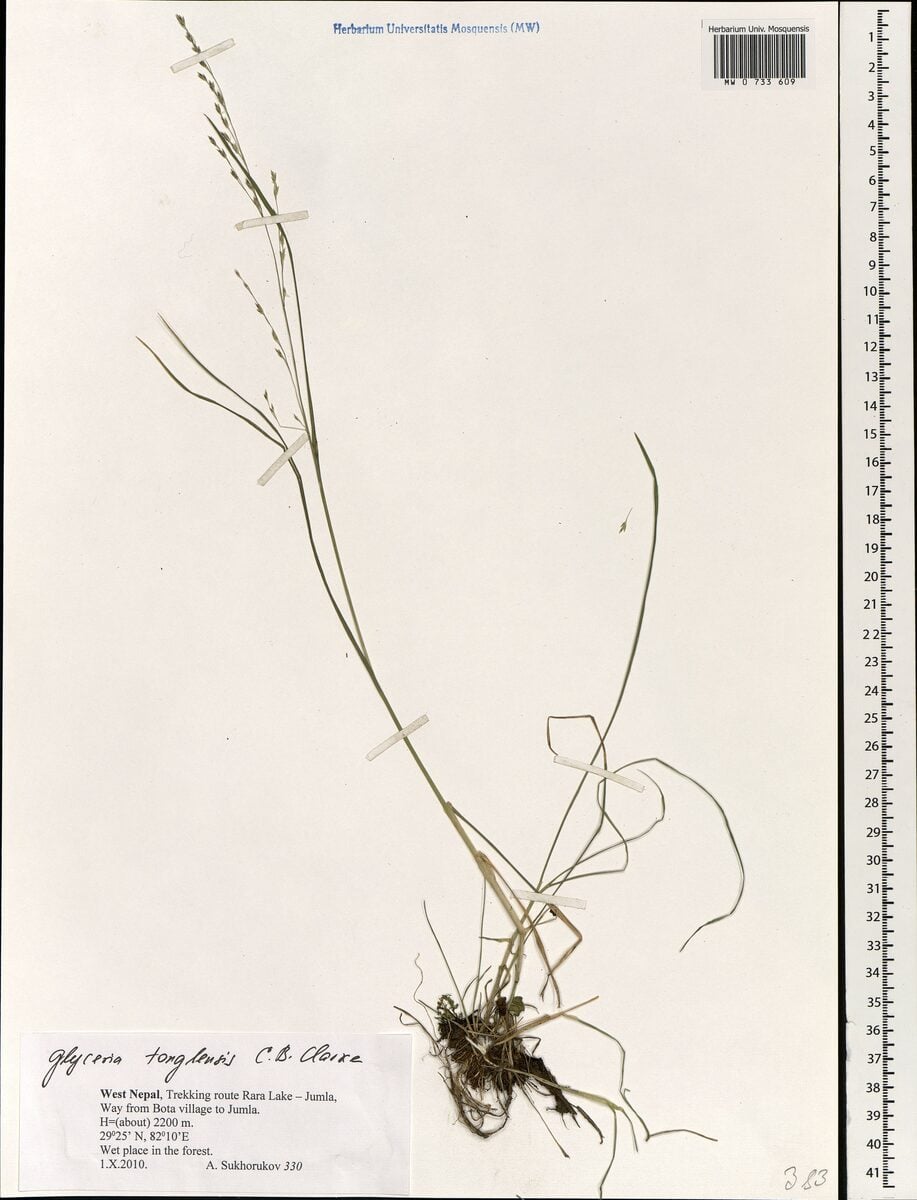
Sporobolus cryptandrus
(Torr.) A. Gray
Sand dropseed
iNaturalist· cc-by-nc-nd
(c) Keir Morse, some rights reserved (CC BY-NC-ND), uploaded by Keir Morse
iNaturalist· cc-by-nc-sa
(c) Anthony Mendoza, some rights reserved (CC BY-NC-SA)
iNaturalist· cc0
no rights reserved
Summary
Source: WikipediaSporobolus cryptandrus, commonly known as sand dropseed, is a species of grass in the family Poaceae. It is native to North America, where it is widespread in southern Canada, most of the United States, and northern Mexico.
Description
A grass. It is erect and keeps growing from year to year. It grows 60-90 cm tall. The seeds are very small.
This description is brief — help expand it
Edible Uses
The seed can be eaten raw or cooked. It can be parched and ground into a flour, then eaten dry or made into a mush. Ground seed can also be added to biscuits, breads, and other cereal preparations. The tiny seed is easily freed from its husks.
Traditional Uses
The seeds are parched, ground and mixed with water or milk to make porridge or biscuits. They can be added to breads, muffins and cereals.
This uses section is brief — help expand it
Medicinal Uses
None known
Distribution
It is a temperate and subtropical plant. It grows on sandy soils. In Argentina it grows from sea level to 1,200 m above sea level.
Where It Grows
Argentina, Canada, Central America, Mexico, North America, South America*, USA,
Propagation
Sow seed in spring in a greenhouse, barely covering it. Germination should occur within 2 weeks. Prick seedlings into individual pots when large enough to handle and plant out in summer if sufficiently grown, otherwise overwinter in the greenhouse and plant out in late spring the following year. Divide in spring; larger divisions can go directly into permanent positions. Smaller divisions are best potted up and grown on in a lightly shaded cold frame, planted out once well established in summer.
Other Uses
A bunch of the grass about 30cm long, tied together with string, can be used as a brush for cleaning. The plant is also used for soil reclamation.
Production
The seeds are easily removed from their husks.
Notes
There are about 160 Sporobolus species. They are mainly in the tropics and subtropics.
References (8)
- Beckstrom-Sternberg, Stephen M., and James A. Duke. "The Foodplant Database." http://probe.nalusda.gov:8300/cgi-bin/browse/foodplantdb.(ACEDB version 4.0 - data version July 1994)
- Facciola, S., 1998, Cornucopia 2: a Source Book of Edible Plants. Kampong Publications, p 181
- http://www.stoller-eser.com/Flora/ethnobotany_table.htm
- Kermath, B. M., et al, 2014, Food Plants in the Americas: A survey of the domesticated, cultivated and wild plants used for Human food in North, Central and South America and the Caribbean. On line draft. p 835
- Manual 576. 1848
Show all 8 references Hide references
- Moerman, D. F., 2010, Native American Ethnobotany. Timber Press. p 542
- Plants for a Future database, The Field, Penpol, Lostwithiel, Cornwall, PL22 0NG, UK. http://www.scs.leeds.ac.uk/pfaf/
- World Checklist of Useful Plant Species 2020. Royal Botanic Gardens, Kew