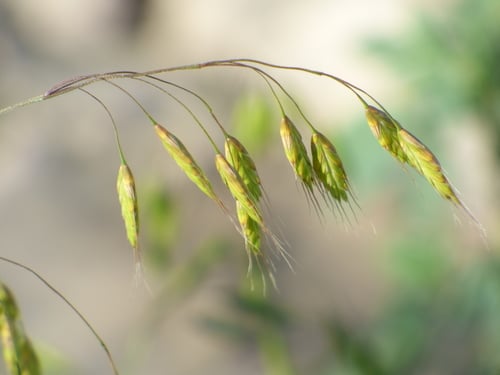
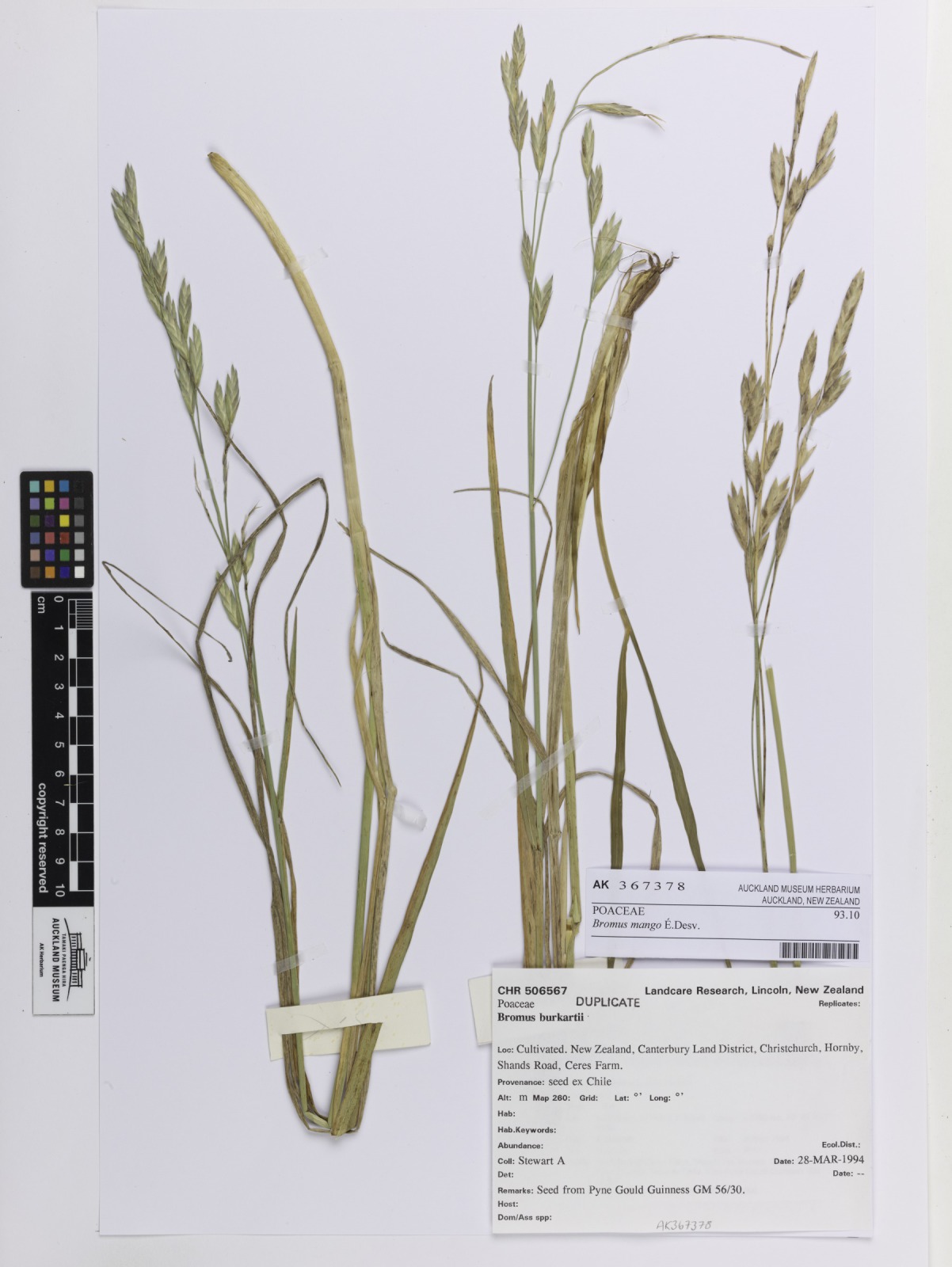
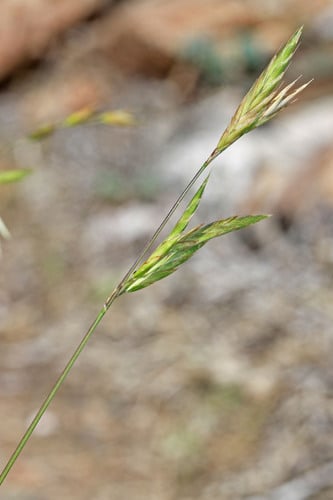
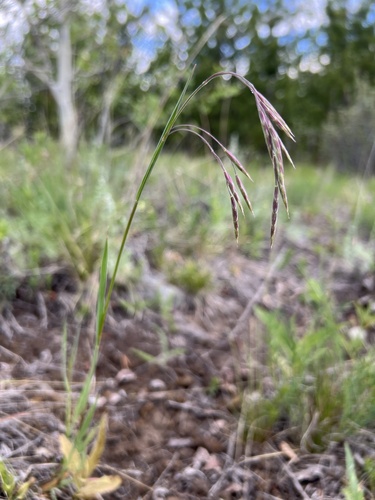
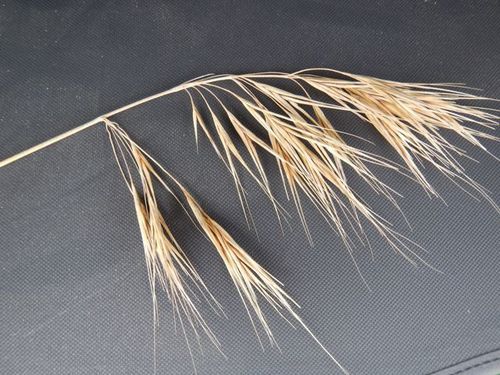
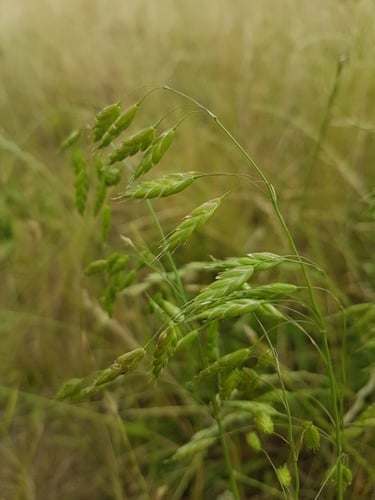
Triticum polonicum
L.
Polish wheat
wikimedia· cc-by-sa
Wikimedia Commons - böhringer friedrich
wikimedia· cc-by-sa
Wikimedia Commons - böhringer friedrich
Summary
Source: WikipediaTriticum polonicum, also known as the Polish wheat, is a spring wheat variety of wheat. It is an allotetraploid (AABB) species with 28 chromosomes. It can be found in small areas of the Mediterranean region, Ethiopia, Russia and in other regions of Asia. It was first described by Carl Linnaeus in 1762. T. polonicum is characterised by longer glumes and grains.
Description
A grass in the wheat family adapted to temperate or Mediterranean climates, cultivated as a food crop.
This description is brief — help expand it
Edible Uses
The grain is ground into flour for use in macaroni, though it is not suitable for bread.
Traditional Uses
The grain is ground into flour for use in macaroni. It is not suitable for bread.
This uses section is brief — help expand it
Distribution
It is a temperate or Mediterranean climate plant.
Where It Grows
Africa, Argentina, Asia, China, East Africa, Europe, Iran, North Africa, Poland, Slovenia, South America,
Other Information
It is a cultivated food plant.
Synonyms
Also Known As
Poljska pšenica
References (8)
- Hedrick, U.P., 1919, (Ed.), Sturtevant's edible plants of the world. p 657 http://www.botanic-gardens-ljubljana.com/en/plants
- Jardin, C., 1970, List of Foods Used In Africa, FAO Nutrition Information Document Series No 2.p 10
- Kermath, B. M., et al, 2014, Food Plants in the Americas: A survey of the domesticated, cultivated and wild plants used for Human food in North, Central and South America and the Caribbean. On line draft. p 880
- Moerman, D. F., 2010, Native American Ethnobotany. Timber Press. p 570
- Naturwiss. Wochenschr. 17:470. 1918
Show all 8 references Hide references
- Plants for a Future database, The Field, Penpol, Lostwithiel, Cornwall, PL22 0NG, UK. http://www.scs.leeds.ac.uk/pfaf/
- USDA, ARS, National Genetic Resources Program. Germplasm Resources Information Network - (GRIN). [Online Database] National Germplasm Resources Laboratory, Beltsville, Maryland. Available: www.ars-grin.gov/cgi-bin/npgs/html/econ.pl (10 April 2000)
- Wiersema, J. H. & Leon, B., 2013, World Economic Plants. A Standard Reference CRC Press. 2nd Ed. p 700