Triticum monococcum
L.
Cultivated einkorn, Einkorn wheat, Small spelt
iNaturalist· cc-by-nc
(c) Biopix, some rights reserved (CC BY-NC)
gbif· cc-by-sa
brshedayat
iNaturalist· cc-by-nc
(c) Сергей, some rights reserved (CC BY-NC)
Summary
A 1 m tall annual wheat flowering June to July with seed maturity in August to September. Wind-pollinated hermaphrodite that tolerates sandy, loamy, and clay soils with good drainage, including nutritionally poor soils. Adapts to mildly acid through mildly alkaline pH. Requires full sun and accepts both dry and moist conditions. Not frost tender.
Description
A grass plant. It is a one seeded wheat. The grains are small, flinty and like rice.
This description is brief — help expand it
Edible Uses
The seed is cooked and most commonly ground into flour for use as a cereal. It is not well suited to bread-making, likely due to a low gluten content. The seed retains its glumes after threshing, which makes processing more difficult.
Traditional Uses
The seed is used for beers and vinegars. It is also used for food. The grain is ground into flour for bread, biscuits, pasta, icecream cones, and porridge.
Medicinal Uses
None known
Distribution
It is a temperate plant. It will grow in barren locations. It grows in mountainous regions and in severe climates.
Where It Grows
Africa, Albania, Asia, Belgium, China, Europe, France, Germany, Greece, India, Italy, Mediterranean, North Africa, North America, Sahara, Switzerland, Turkey, Türkiye, USA, Yugoslavia,
Cultivation
An easily grown plant, it succeeds in most well-drained soils in a sunny position. A low yielding species, but it succeeds in poor rocky soils and thrives in a short growing season. This is supposedly the oldest species of wheat, it probably arose over 10,000 years ago and is still occasionally cultivated for its edible seed in the mountains of Germany, Switzerland and Italy. A diploid species.
Propagation
Sow seed in early spring or autumn directly in situ, barely covering it. Germination should occur within a few days.
Other Uses
The straw serves many purposes, including as a biomass fuel, thatching material, and garden mulch. Fibre extracted from the stems can be used to make paper: stems are harvested in late summer after seed collection, cut into usable pieces, soaked in clear water for 24 hours, cooked for 2 hours in lye or soda ash, then beaten in a ball mill for 1½ hours, producing a green-tan paper. Starch from the seed is used for laundering and sizing textiles, and can also be converted to alcohol for use as a fuel.
Other Information
It is a cultivated food plant.
Nutrition
| Part | Moisture | kJ | kcal | Protein | Vit A | Vit C | Iron | Zinc |
|---|---|---|---|---|---|---|---|---|
| Seeds | 12.4 | 1399 | 331 | 9.5 | — | — | 3.2 | 3.6 |
Synonyms
Also Known As
Einkorn, Farro, Kussemeth, Lesser spelt, One-grained wheat, Stone Age wheat, Tep
References (17)
- Ambasta, S.P. (Ed.), 2000, The Useful Plants of India. CSIR India. p 654
- Facciola, S., 1998, Cornucopia 2: a Source Book of Edible Plants. Kampong Publications, p 181
- Feldman, M., 1979, Wheats, in Simmonds N.W.,(ed), Crop Plant Evolution. Longmans. London. p 120
- Hedrick, U.P., 1919, (Ed.), Sturtevant's edible plants of the world. p 656
- Jardin, C., 1970, List of Foods Used In Africa, FAO Nutrition Information Document Series No 2.p 9
Show all 17 references Hide references
- Kermath, B. M., et al, 2014, Food Plants in the Americas: A survey of the domesticated, cultivated and wild plants used for Human food in North, Central and South America and the Caribbean. On line draft. p 880
- Kiple, K.F. & Ornelas, K.C., (eds), 2000, The Cambridge World History of Food. CUP p 1770
- Pieroni, A. & Soukand, R., 2017, The disappearing wild food and medicinal plant knowledge in a few mountain villages of North-Eastern Albania. Journal of Applied Botany and Food Quality 90, 58 - 67
- Plants for a Future database, The Field, Penpol, Lostwithiel, Cornwall, PL22 0NG, UK. http://www.scs.leeds.ac.uk/pfaf/
- Purseglove, J.W., 1972, Tropical Crops. Monocotyledons. Longmans p 288
- Sp. pl. 1:86. 1753
- Uphof,
- USDA, ARS, National Genetic Resources Program. Germplasm Resources Information Network - (GRIN). [Online Database] National Germplasm Resources Laboratory, Beltsville, Maryland. Available: www.ars-grin.gov/cgi-bin/npgs/html/econ.pl (10 April 2000)
- Vaughan, J. C. & Geissler, C. A., 2009, The new Oxford Book of Food Plants. Oxford University Press. p 4
- Wiersema, J. H. & Leon, B., 2013, World Economic Plants. A Standard Reference CRC Press. 2nd Ed. p 699
- World Checklist of Useful Plant Species 2020. Royal Botanic Gardens, Kew
- Zeven, A. C. & de West, J. M. J., 1982, Dictionary of cultivated plants and their regions of diversity. Wageningen. p 93
More from Poaceae
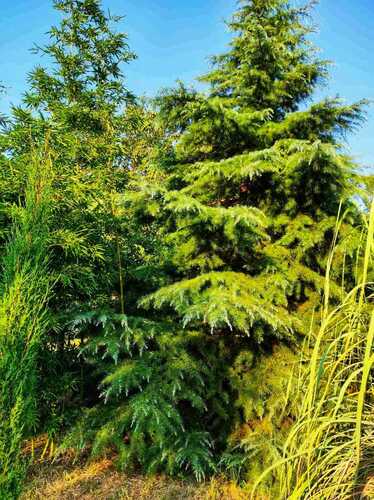
Phyllostachys dulcis
Sweet shoot bamboo
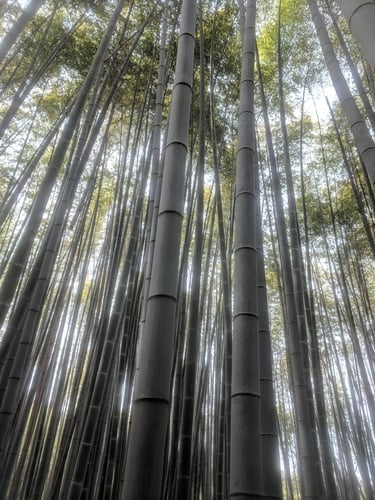
Phyllostachys edulis
Moso bamboo, Tortoise-shell bamboo, Hairy bamboo
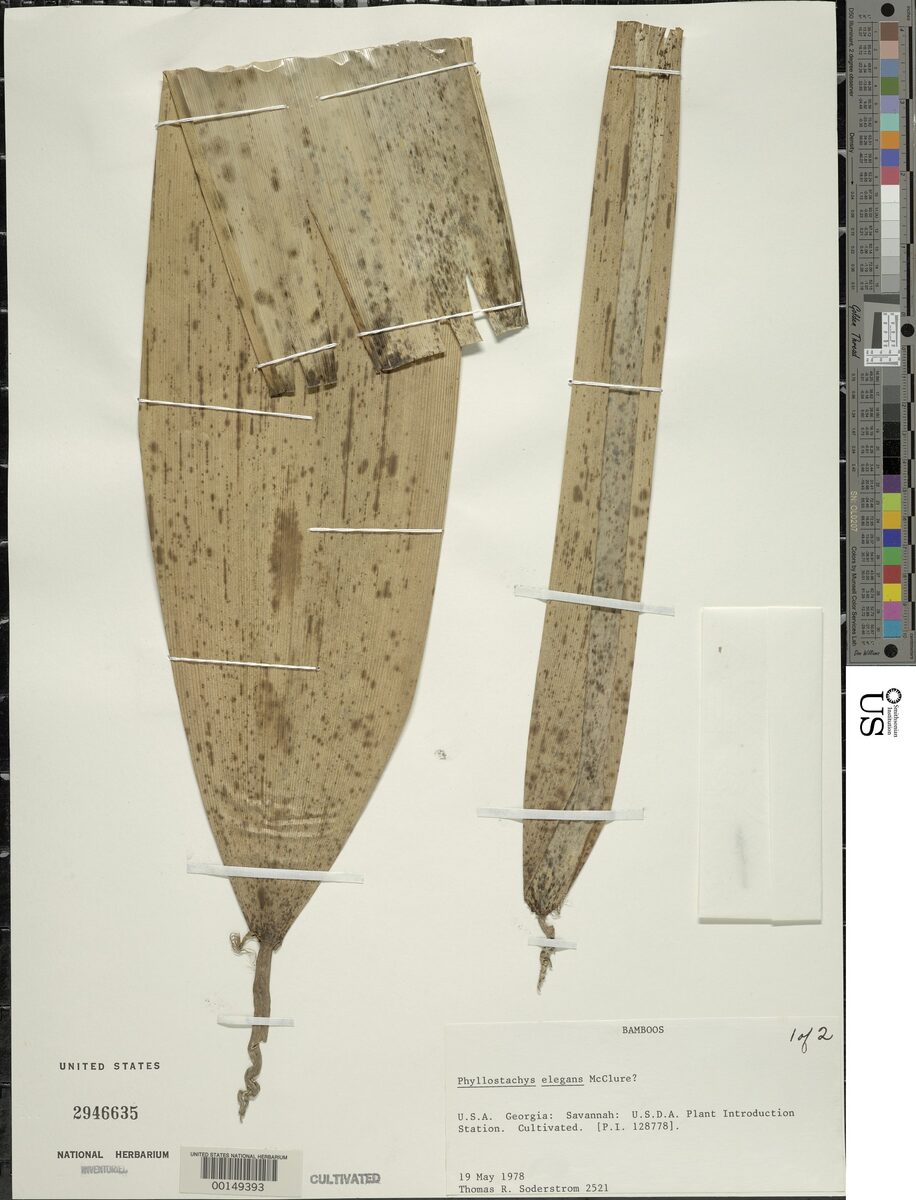
Phyllostachys elegans
Flowered bamboo, Chinese elegant bamboo
Phyllostachys fimbriata
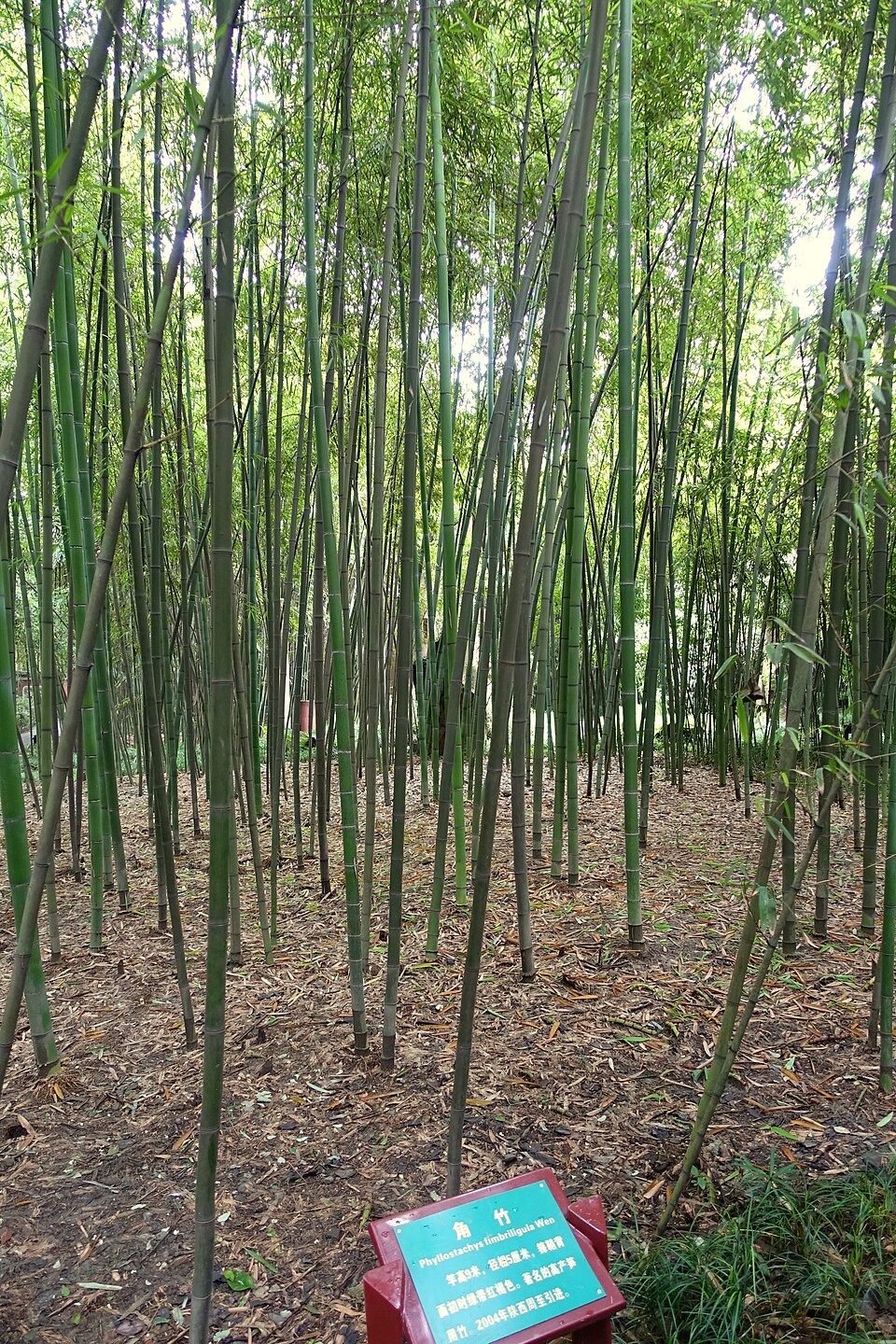
Phyllostachys fimbriligula
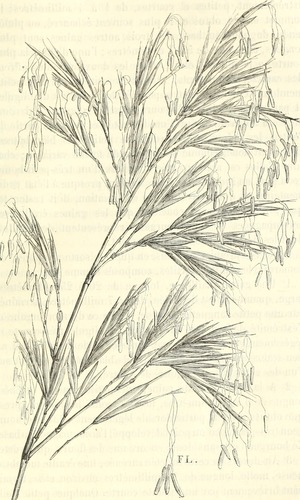
Phyllostachys flexuosa
Zig-zag bamboo, Supple bamboo, Chinese crooked bamboo