Sorbus domestica
L.
Service tree, Sorb apple
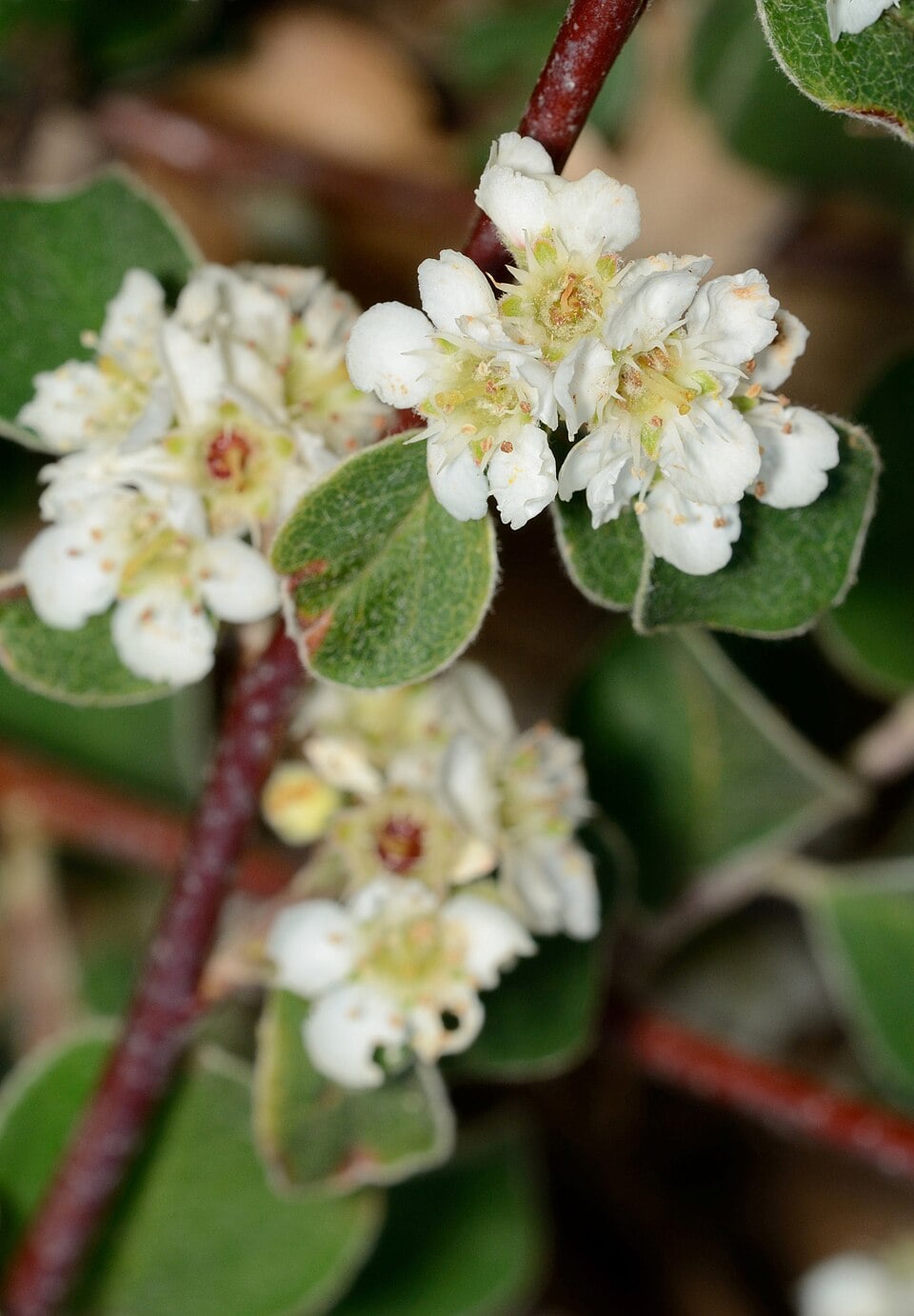
iNaturalist· cc-by-nc
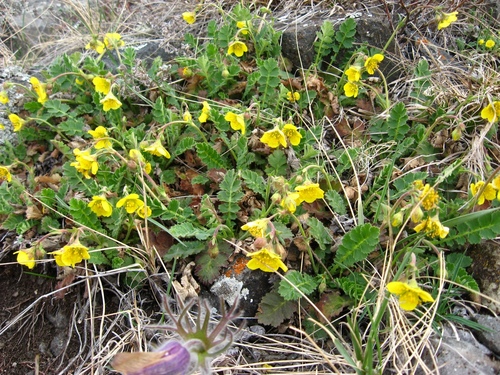
(c) hejor1, some rights reserved (CC BY-NC)
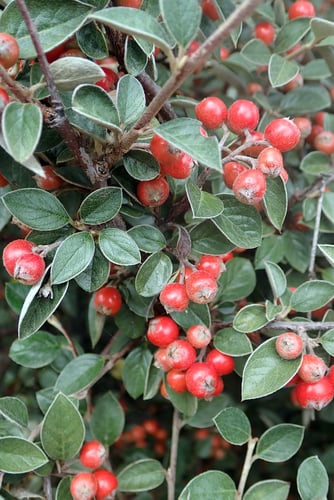
iNaturalist· cc-by-nc
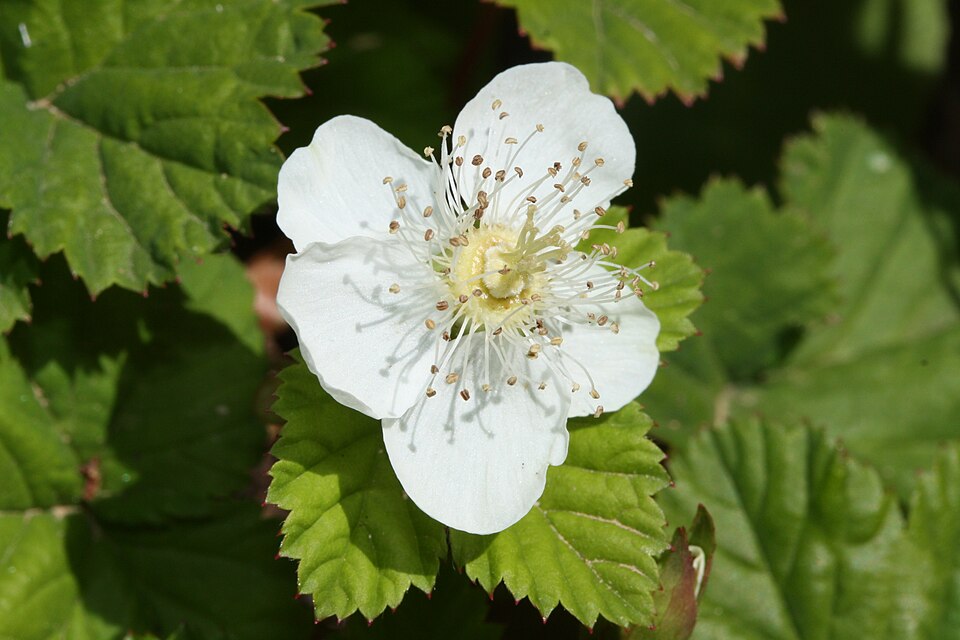
(c) hejor1, some rights reserved (CC BY-NC)
iNaturalist· cc-by-nc
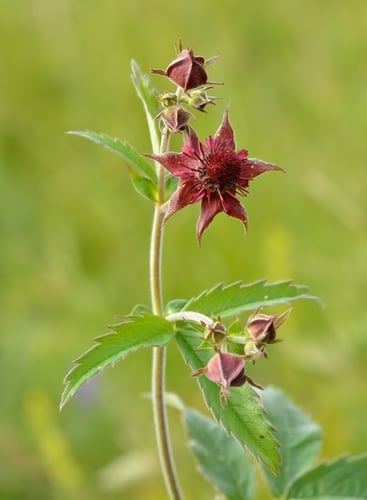
(c) Robert G., some rights reserved (CC BY-NC)
Summary
A deciduous tree reaching 15 m at a medium rate, hardy to UK zone 6, not frost tender. Flowers in May; seeds ripen September to October. Hermaphrodite, insect-pollinated, but requires another compatible plant for fruit set as it is not self-fertile. Grows in light sandy, medium loamy, or heavy clay well-drained soils. Tolerates mildly acid, neutral, or mildly alkaline pH. Thrives in semi-shade or full sun, prefers moist conditions, and withstands strong winds but not coastal exposure. Noted for attracting wildlife.
Description
A tree with spreading branches. It loses its leaves in the winter. It grows to 15 m high. The bark is orange-brown and scaly and rough. The leaves are alternate and compound. The leaves are 22 cm long. There are 11-21 leaflets along the stalk. They have rounded bases and sharp teeth along the edge. The buds are sticky. The flowers are 1.5 cm across. The flower heads are domed with a cluster of flowers and about 10 cm across. The fruit are small and pear shaped. It is yellow-green and flushed with red. They are 3 cm long. They are edible.
Edible Uses
The fruit can be eaten raw or cooked. For raw eating, it is typically bletted — stored in a cool, dry place until it reaches the verge of over-ripeness — developing a delicious, tropical-fruit flavour at that stage. Bletting will often begin naturally while the fruit is still on the tree; fruits eaten straight from the tree in mid-September can be excellent. The fruit can also be dried and used like prunes. It grows up to 3cm across.
Traditional Uses
The fruit can be eaten when very ripe. Fruit become sweeter after frost. They are also dried. They are used for jam. The fruit can be fermented with grain to produce a cider-like beverage.
Medicinal Uses
None known
Known Hazards
The seeds probably contain hydrogen cyanide. This is the ingredient that gives almonds their characteristic flavour. Unless the seed is very bitter it should be perfectly safe in reasonable quantities. In small quantities, hydrogen cyanide has been shown to stimulate respiration and improve digestion, it is also claimed to be of benefit in the treatment of cancer. In excess, however, it can cause respiratory failure and even death.
Distribution
It is a temperate plant. It is native to S.W. Asia and S. Europe. It grows on mountain slopes and in deciduous forests. Mediterranean. It suits hardiness zones 6-10. Arboretum Tasmania.
Where It Grows
Africa, Albania, Algeria, Asia, Australia, Balkans, Bosnia, Britain, Bulgaria, Croatia, Cyprus, Europe, France, Germany, Greece, Himalayas, Hungary, Italy, Macedonia, Mediterranean, North Africa, Romania, Russia, San Marino, Serbia, Sicily, Slovenia, Spain, Switzerland, Tasmania, Turkey, Türkiye, Ukraine, USA, Yugoslavia,
Cultivation
Succeeds in most reasonably good soils in an open sunny position. Tolerates light shade, though it fruits better in a sunny position. The service tree is occasionally cultivated for its edible fruit. There are 2 distinct forms, S. domestica pomifera. (Hayne.)Rehd. with apple shaped fruits (which ripen from September) and S. domestica pyriformis. (Hayne.)Rehd. with pear shaped fruits which ripen from October. Plants are susceptible to fireblight and to canker (which is especially prevalent in areas with high rainfall). They grow best in the drier areas of Britain, which in general means the eastern half of the country. In garden design, as well as the above-ground architecture of a plant, root structure considerations help in choosing plants that work together for their optimal soil requirements including nutrients and water. Partially self-fertile, but fruit production is higher with cross-pollination. The fruits are typically harvested in late summer to early autumn, from August to October (Northern Hemisphere), once they are fully ripe. Sorbus species usually flower in late spring to early summer, generally from May to June (Northern Hemisphere), producing clusters of white or pink flowers. Sorbus species are generally moderate to fast-growing, with some species reaching maturity in about 5 to 10 years, depending on species and growing conditions. Sorbus species, known as rowan or service trees, provide both edible fruit and ornamental value, making them good choices for food forests. Several Sorbus species, such as S. domestica, S. torminalis, and S. aria, are more adaptable to the warm, dry summers and mild, wet winters of Mediterranean climates. S. aucuparia may also be grown in cooler or higher elevation areas within Mediterranean climates, though it prefers less heat.
Propagation
Seed is best sown as soon as it is ripe in a cold frame. Where seed is plentiful, it can be sown in an outdoor seedbed. Stored seed benefits from 2 weeks of warm stratification followed by 14–16 weeks of cold stratification, so sow as early in the year as possible. Prick out seedlings into individual pots once large enough to handle. Top-growth is very slow in the first year or two as the plant focuses on root development. Keep seedlings in pots in a cold frame through their first winter, then plant out into permanent positions in late spring.
Other Uses
The bark is a source of tannin. The wood is fine-grained, very heavy, and hard to split, and is used for furniture, screws, and wine presses. The flowers are rich in nectar and pollen, attracting bees, butterflies, and other pollinators. Fruit is eaten by birds and mammals, the canopy provides shelter and roosting habitat, and fallen leaves and bark support overwintering invertebrates.
Production
It is a slow growing tree.
Other Information
It is cultivated.
Notes
There are about 75 Sorbus species.
Synonyms
Also Known As
Berkenye, Jerba, Oskorusa, Serbal, Servera, Sorbo, Uvez
References (45)
- Arora, R. K., 2014, Diversity in Underutilized Plant Species - An Asia-Pacific Perspective. Bioversity International. p 87
- Bianchini, F., Corbetta, F., and Pistoia, M., 1975, Fruits of the Earth. Cassell. p 136
- Bodkin, F., 1991, Encyclopedia Botanica. Cornstalk publishing, p 939
- Bonet, M. A. & Valles, J., 2002, Use of non-crop food vascular plants in Montseny biosphere reserve (Catalonia, Iberian Peninsula). International Journal of Food Sciences and Nutrition (2002) 53, 225–248
- Brickell, C. (Ed.), 1999, The Royal Horticultural Society A-Z Encyclopedia of Garden Plants. Convent Garden Books. p 970
Show all 45 references Hide references
- Cerne, M., 1992, Wild Plants from Slovenia used as Vegetables. Acta Horticulturae 318
- Coombes, A.J., 2000, Trees. Dorling Kindersley Handbooks. p 276
- Cundall, P., (ed.), 2004, Gardening Australia: flora: the gardener's bible. ABC Books. p 1356
- Denes, A., et al, 2012, Wild plants used for food by Hungarian ethnic groups living in the Carpathian Basin. Acta Societatis Botanicorum Poloniae 81 (4): 381-396
- Dolina, K. & Luczaj, L., 2014, Wild food plants used on the Dubrovnik coast (south-eastern Croatia) Acta Soc Bot Pol 83(3):175–181
- Egea, I., et al., 2010, Six Edible Wild fruits as potential Antioxidant Additives or Nutritional Supplements. Plant Foods for Human Nutrition. 65:121-129
- Ertug, F, Yenen Bitkiler. Resimli Türkiye Florası -I- Flora of Turkey - Ethnobotany supplement (As Cormus domestica)
- Facciola, S., 1998, Cornucopia 2: a Source Book of Edible Plants. Kampong Publications, p 211
- Flowerdew, B., 2000, Complete Fruit Book. Kyle Cathie Ltd., London. p 182
- Glowinski, L., 1999, The Complete Book of Fruit Growing in Australia. Lothian. p 45
- Hancer, C. K., et al, 2020, Traditional Knowledge of Wild Edible Plants of Biga (Çanakkale), Turkey. Acta Societatis Botanicorum Poloniae / 2020 / Volume 89 / Issue 1 / Article 8914
- Harris, E & J., 1983, Field Guide to the Trees and Shrubs of Britain. Reader's Digest. p 171
- Hedrick, U.P., 1919, (Ed.), Sturtevant's edible plants of the world. p 543 (As Pyrus sorbus)
- Heywood, V. H. & Zohary, D.,1995, A Catalogue of the Wild Relatives of Cultivated Plants Native to Europe. Flora Mediterranea 5 - 1995, p 392
- Irving, M., 2009, The Forager Handbook, A Guide to the Edible Plants of Britain. Ebury Press p 286
- Jackes, D. A., 2007, Edible Forest Gardens
- Jardin, C., 1970, List of Foods Used In Africa, FAO Nutrition Information Document Series No 2 p 161
- Kermath, B. M., et al, 2014, Food Plants in the Americas: A survey of the domesticated, cultivated and wild plants used for Human food in North, Central and South America and the Caribbean. On line draft. p 829
- Kiple, K.F. & Ornelas, K.C., (eds), 2000, The Cambridge World History of Food. CUP p 1853
- Lentini, F. and Venza, F., 2007, Wild food plants of popular use in Sicily. J Ethnobiol Ethnomedicine. 3: 15
- Lord, E.E., & Willis, J.H., 1999, Shrubs and Trees for Australian gardens. Lothian. p 73
- Luczaj, L. et al, 2013, Wild food plants used in the villages of the Lake Vrana Nature Park (northern Dalmatia, Croatia). Acta Societatis Botanicorum Poloniae, 82(4): 275-281
- Miskoska-Milevska, E. et al, 2020, Traditional uses of wild edible plants in the Republic of North Macedonia. PHYTOLOGIA BALCANICA 26(1): 155–162, Sofia, 2020 p 159
- Pardo-de-Santayana, M., et al, 2005, The gathering and consumption of wild edible plants in the Campoo (Cantabria, Spain). International Journal of Food Sciences and Nutrition. 56(7): 529-542
- Pasta, S., et al, 2020, An Updated Checklist of the Sicilian Native Edible Plants: Preserving the Traditional Ecological Knowledge of Century-Old Agro-Pastoral Landscapes. Frontiers in Plant Science. Volume 11|Article 388
- Pieroni, A., 1999, Gathered wild food plants in the Upper Valley of the Serchio River (Garfagnana), Central Italy. Economic Botany 53(3) pp 327-341
- Pieroni, A., et al, 2005, Food for two seasons: Culinary uses of non-cultivated local vegetables and mushrooms in a south Italian village. International Journal of Food Sciences and Nutrition, 56(4): 245-272
- Plants for a Future database, The Field, Penpol, Lostwithiel, Cornwall, PL22 0NG, UK. http://www.scs.leeds.ac.uk/pfaf/
- Redzic, S. J., 2006, Wild Edible Plants and their Traditional Use in the Human Nutrition in Bosnia-Herzegovina. Ecology of Food and Nutrition, 45:189-232
- Sansanelli, S., et al, 2014, Wild food plants traditionall consumed in the area of Bologna (Emilia Romagna region, Italy). Journal of Ethnobiology and Ethnomedicine 10:69
- Sansanelli, S., et al, 2017, Ethnobotanical survey of wild food plants traditionally collected and consumed in the Middle Agri Valley (Basilicata region, southern Italy). Journal of Ethnobiology and Ethnomedicine (2017) 13:50
- Senkardes, I & Tuzlaci, E., 2016, Wild Edible Plants of Southern Part of Nevsehir inTurkey. Marmara Pharmaceutical Journal 20:34-43
- Sfikas, G., 1984, Trees and shrubs of Greece. Efstathiadis Group. Athens. p 64
- Sp. pl. 1:477. 1753
- Tardio, J., et al, Ethnobotanical review of wild edible plants in Spain. Botanical J. Linnean Soc. 152 (2006), 27-71
- USDA, ARS, National Genetic Resources Program. Germplasm Resources Information Network - (GRIN). [Online Database] National Germplasm Resources Laboratory, Beltsville, Maryland. Available: www.ars-grin.gov/cgi-bin/npgs/html/econ.pl (10 April 2000)
- van Wyk, B., 2005, Food Plants of the World. An illustrated guide. Timber press. p 351
- Wiersema, J. H. & Leon, B., 2013, World Economic Plants. A Standard Reference CRC Press. 2nd Ed. p 651
- World Checklist of Useful Plant Species 2020. Royal Botanic Gardens, Kew (As Cormus domestica)
- Zeven, A. C. & de West, J. M. J., 1982, Dictionary of cultivated plants and their regions of diversity. Wageningen. p 101