Pyrus syriaca var. microphylla
Zohary ex Browicz
gbif· cc-by
Royal Botanic Gardens, Kew
gbif· cc-by
Royal Botanic Gardens, Kew
Summary
Source: WikipediaPyrus syriaca, commonly known as the Syrian pear, is a deciduous tree in the family Rosaceae. The tree grows up to 13 metres tall with a broad, sometimes irregular crown. It features reddish-brown to grey branches marked by small lenticels, elliptic to ovate leaves with toothed margins, and white five-petalled flowers that appear in loose clusters during late April to early May. Its fruits are greenish-yellow pomes ranging from nearly spherical to broadly pear-shaped, maturing from late August through October. Native to the eastern Mediterranean region and adjacent areas, its range extends from southern Turkey and the Transcaucasus through Cyprus, western Syria, northeastern Iraq, Lebanon, western Jordan, and into southwestern Iran. The species favours dry, well-drained habitats, often growing on sun-exposed, rocky slopes and in open oak forests, sometimes forming nearly pure stands alongside almond, maple, and hawthorn trees.
Description
A temperate tree in the Rosaceae family, a relative of pears.
This description is brief — help expand it
Edible Uses
The fruit is edible.
Distribution
It is a temperate plant.
Where It Grows
Turkey, Türkiye,
References (1)
- Ertug, F, Yenen Bitkiler. Resimli Türkiye Florası -I- Flora of Turkey - Ethnobotany supplement
More from Rosaceae
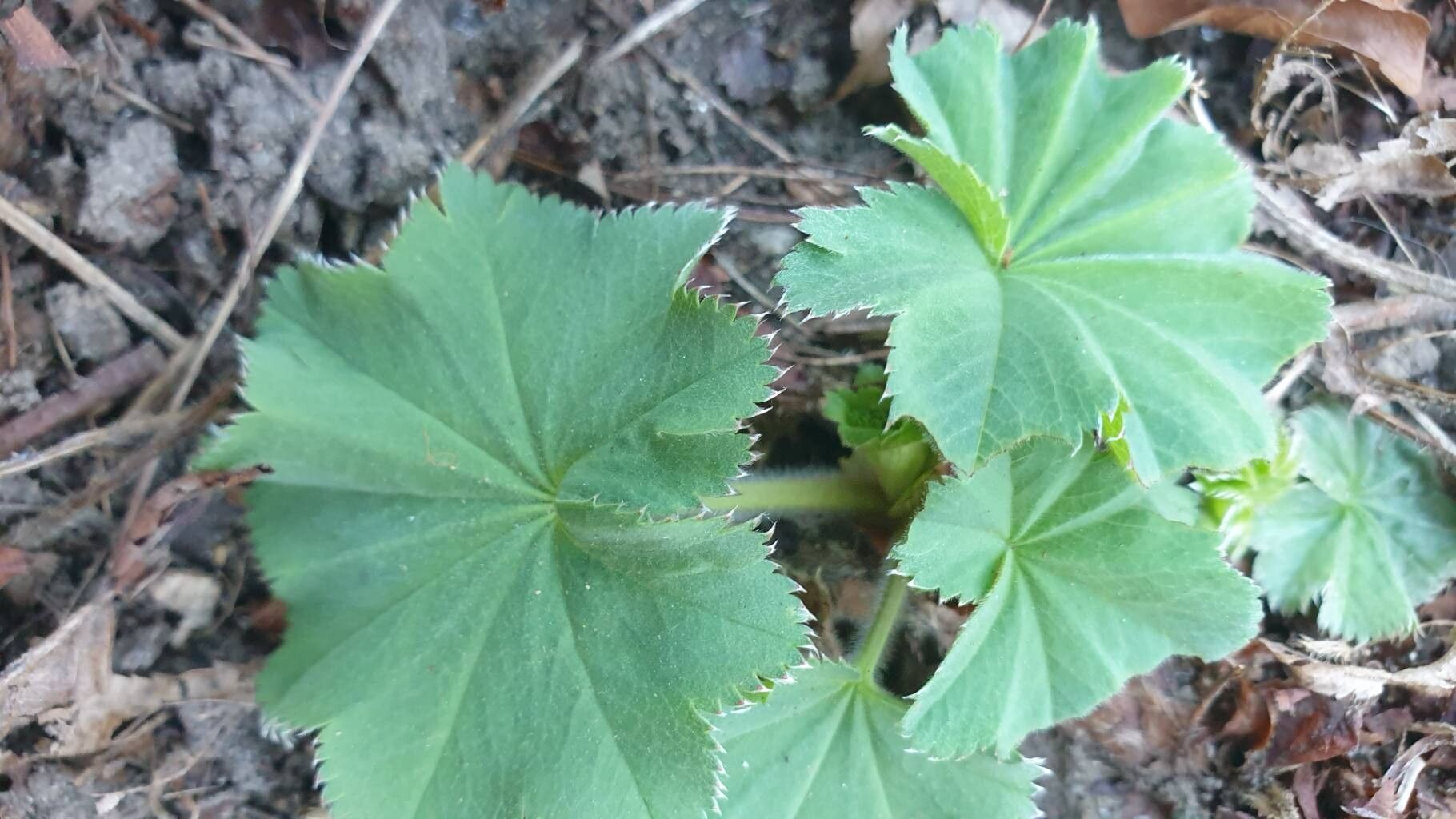
Alchemilla xanthochlora
Lady’s Mantle, Lion's foot
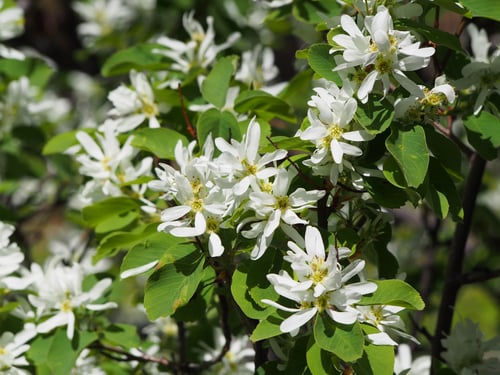
Amelanchier alnifolia
Saskatoon berry
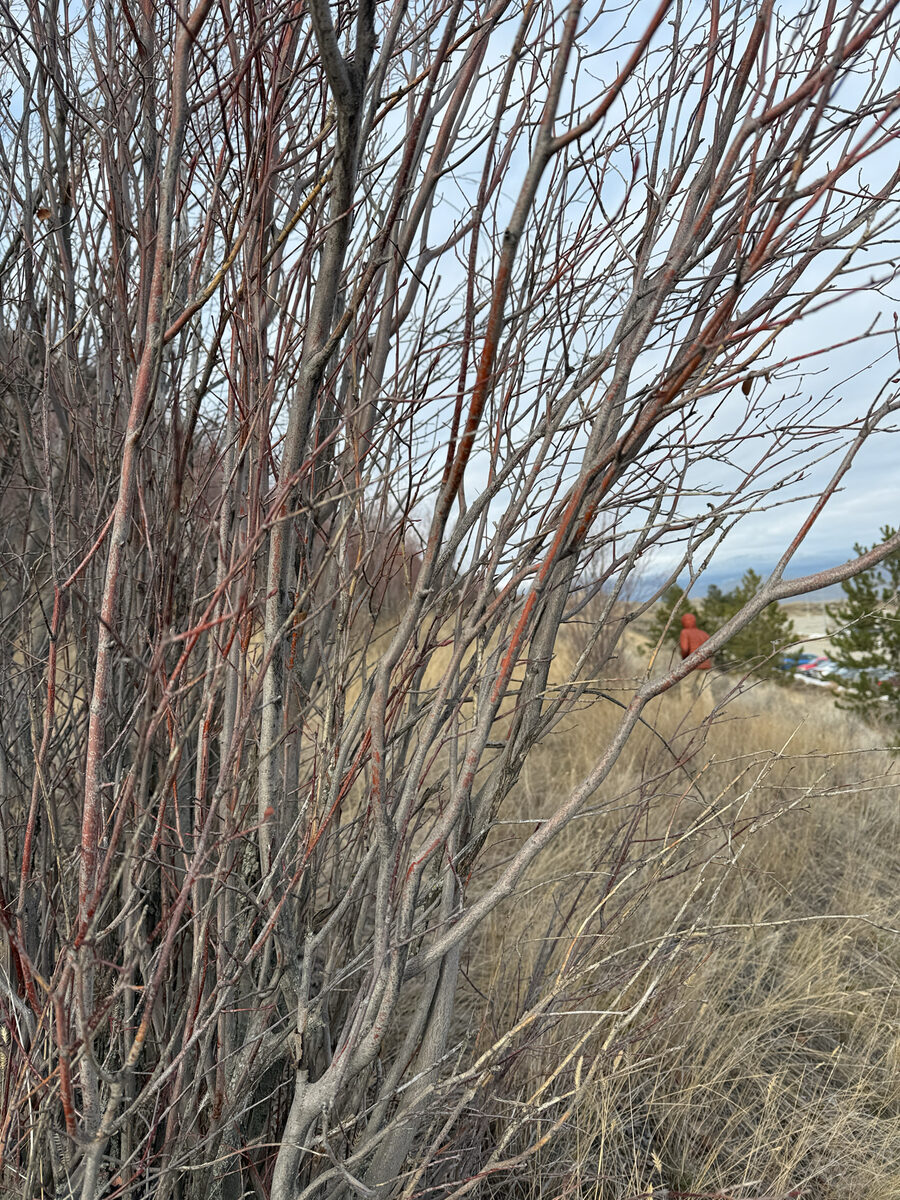
Amelanchier alnifolia cusickii - (Fernald.)C.Hitchc.
Cusick's Serviceberry
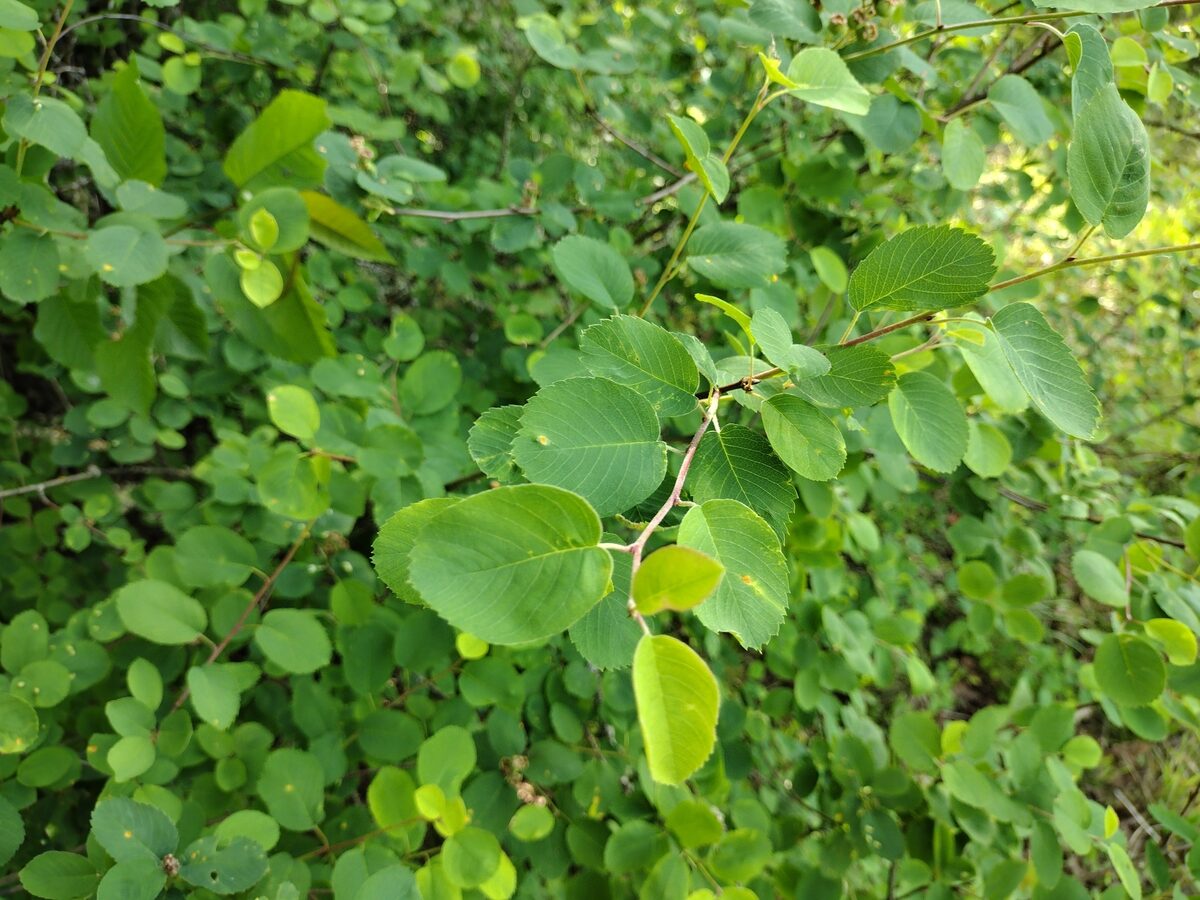
Amelanchier alnifolia semiintegrifolia - (Hook.)Hitchc
Pacific Serviceberry
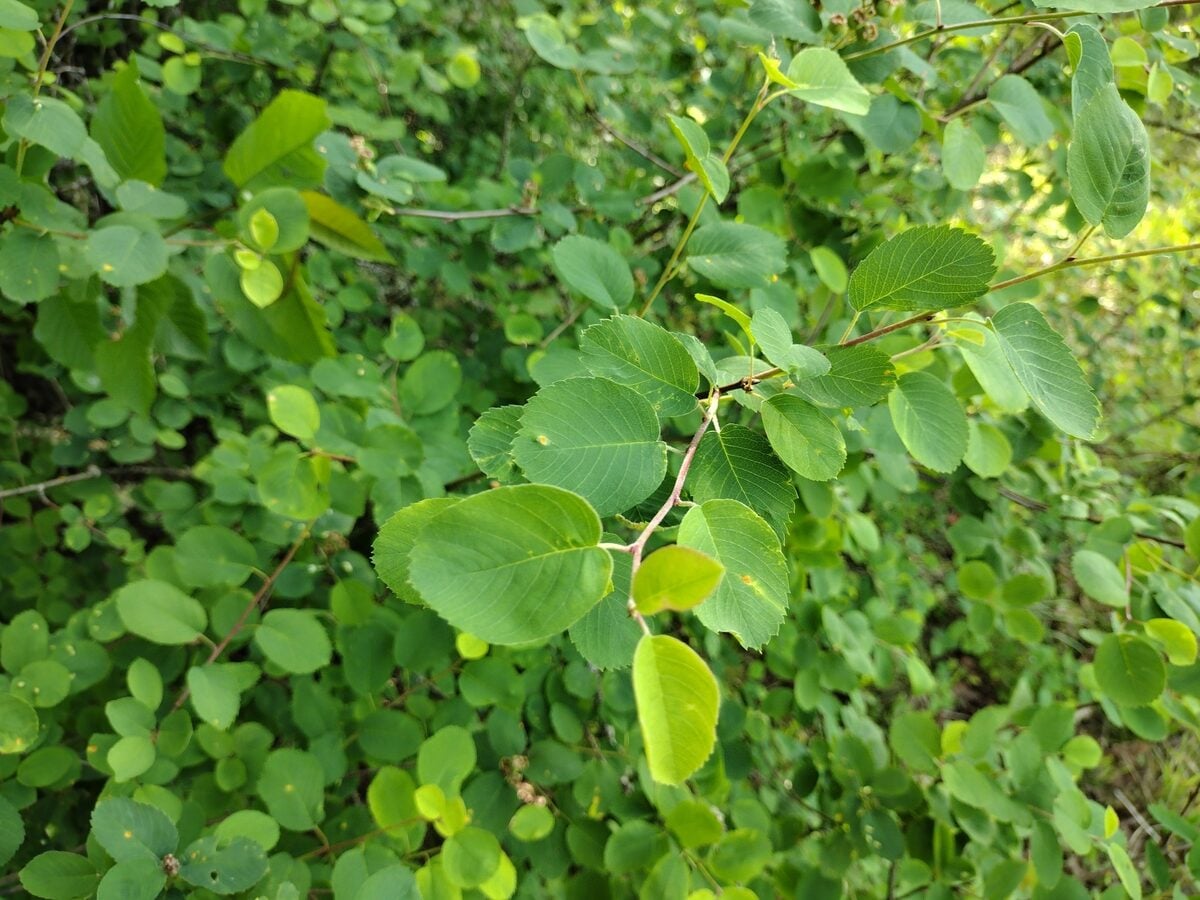
Amelanchier alnifolia var. semi-integrifolia
Pacific Serviceberry
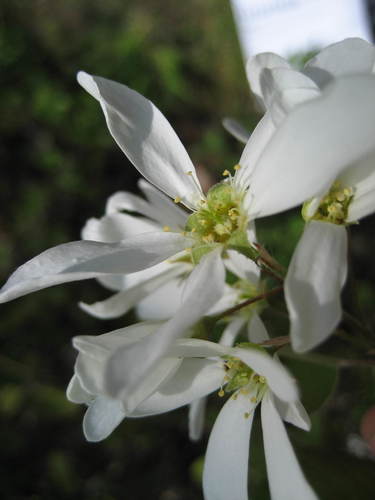
Amelanchier amabilis
Round leaved serviceberry