Solanum seaforthianum
Andrews
Brazilian nightshade
iNaturalist· cc-by-nc
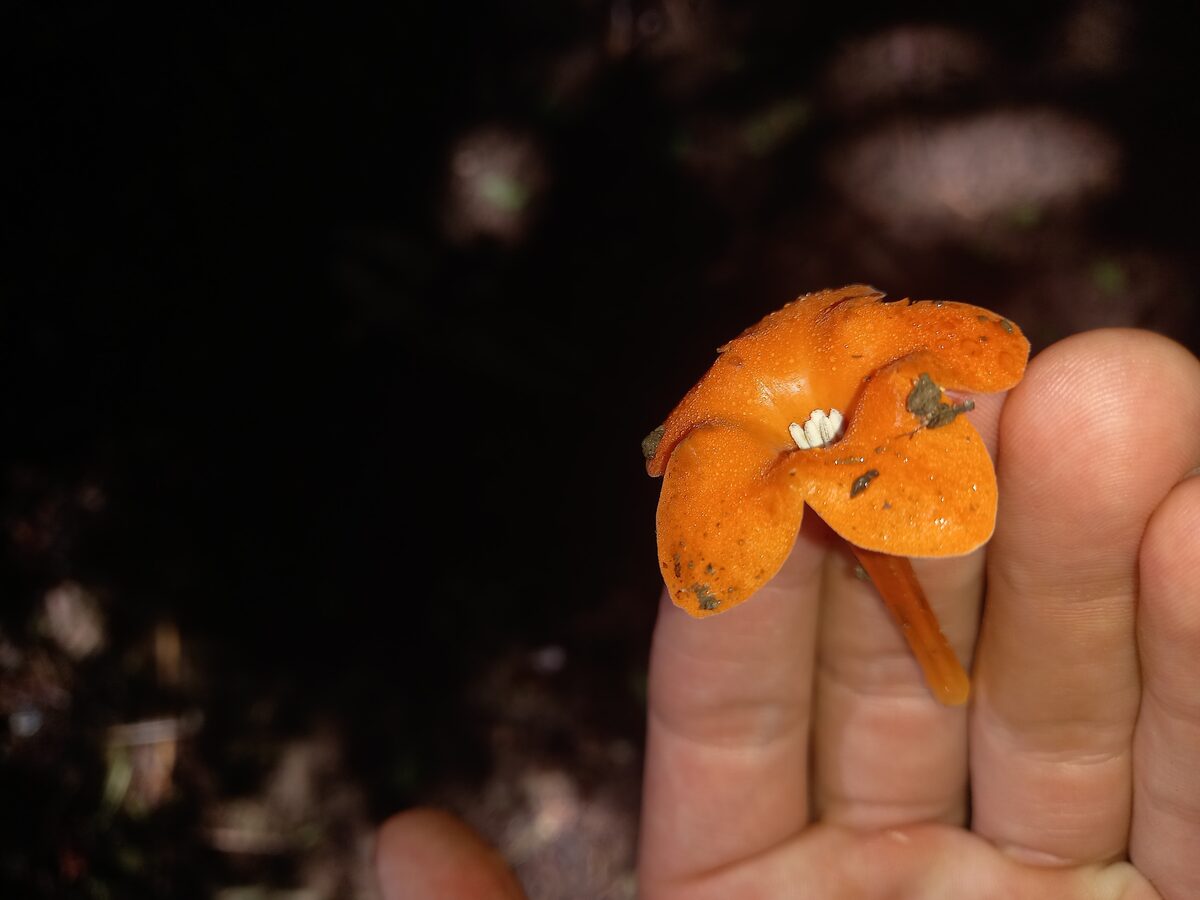
(c) guanhong, some rights reserved (CC BY-NC), uploaded by guanhong
iNaturalist· cc-by-nc
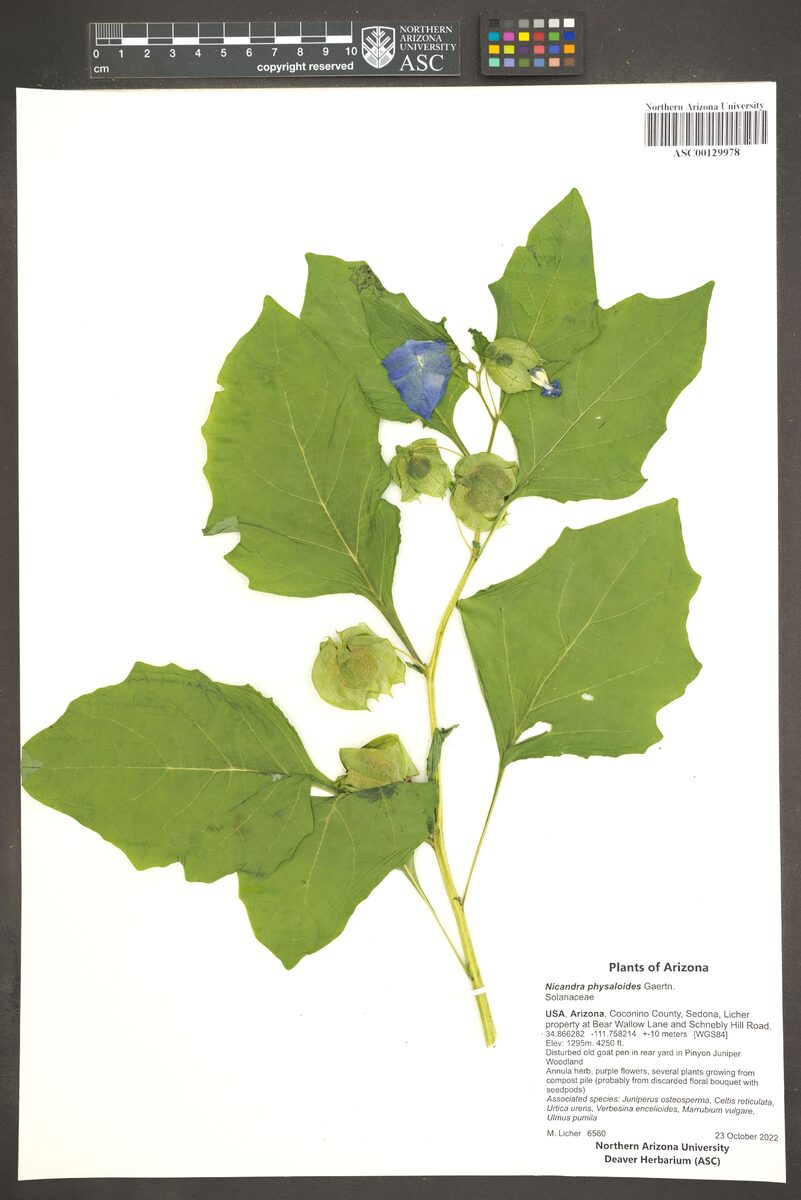
(c) mmd1330, some rights reserved (CC BY-NC)
iNaturalist· cc-by-sa
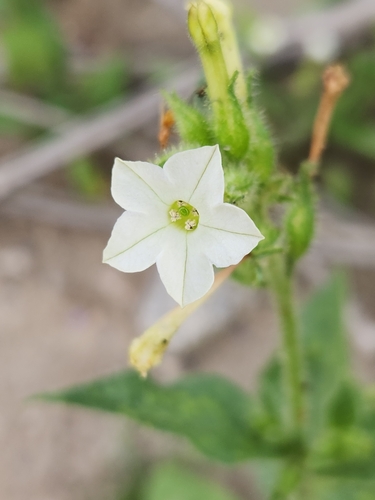
(c) Greg Tasney, some rights reserved (CC BY-SA), uploaded by Greg Tasney
Summary
Source: WikipediaSolanum seaforthianum, the Brazilian nightshade, is a flowering evergreen vine of the family Solanaceae native to tropical South America. As a member of the Solanum genus, it is related to such plants as the tomato and potato. It is characterized by clusters of four to seven leaves and can climb to a height of 6 m (20 ft) given enough room. It blooms in the mid to late summer with clusters of star-shaped purple inflorescence followed by scarlet marble-sized berries. The plant is highly heat resistant, but cannot tolerate frost conditions. The plant contains modest amounts of various tropane alkaloids such as atropine, scopolamine and hyoscyamine and should be considered mildly toxic and inedible. Promising molluscicidal and schistosomicidal activities were displayed for the S. seaforthianum extracts and fractions which are attributed to the glycoalkaloid content. The species has become widely naturalised outside its native range and is an invasive species in Australia, Africa, Indochina, the Pacific Islands and India, choking native vegetation and poisoning livestock.
Description
A climbing vine. It grows to 3-5 m long. It is hairless and evergreen. The leaves are produced alternately along the vine and are often divided into leaflets. The leaves are 10-20 cm long and they can be entire or with 6-9 lobes or leaflets. The flowers are purple and 2 cm across. They develop in large clusters 15 cm across. The fruit are bright red berries. They are oval in shape and 6-10 mm across.
Edible Uses
The fruit can be eaten.
Traditional Uses
CAUTION. The berries have been reported as poisonous due to the chemical alkaloid solasodine.
This uses section is brief — help expand it
Known Hazards
The berries have been reported as poisonous due to the chemical alkaloid solasodine.
Distribution
It is a tropical plant. It is native to tropical America. It needs temperatures above 7-10°C. It suits hardiness zones 10-12. In Yunnan.
Where It Grows
Africa, Asia, Australia, Belize, Botswana, Brazil, Central Africa, Central African Republic, CAR, Central America*, China, Colombia, Comoros, Congo DR, Costa Rica, Cuba, Cyprus, Dominican Republic, East Africa, Ecuador, El Salvador, Eswatini, Europe, Guatemala, French Guiana, Ghana, Guyana, Haiti, Hawaii, Himalayas, Honduras, India, Indonesia, Jamaica, Kenya, Lebanon, Leeward Is., Lesser Antilles, Madagascar, Malawi, Malaysia, Mauritius, Mexico, Mozambique, Myanmar, Namibia, New Caledonia, Nicaragua, North America, Pacific, Pakistan, Panama, Papua New Guinea, PNG, Paraguay, Peru, Philippines, Puerto Rico, Reunion, SE Asia, Senegal, Sierra Leone, South Africa, Southern Africa, South America, Swaziland, Syria, Taiwan, Tanzania, Thailand, Trinidad-Tobago, Uganda, USA, Vanuatu, Venezuela, Vietnam, West Indies*, Zambia, Zimbabwe,
Cultivation
It needs a support to climb over.
Notes
There are about 1400 Solanum species.
Synonyms
Also Known As
Italian Jasmine, Potato creeper, Purple potato-vine, St Vincent's lilac
References (23)
- Ambasta, S.P. (Ed.), 2000, The Useful Plants of India. CSIR India. p 582
- Bot. Repos. 8: t. 504. 1808
- Brickell, C. (Ed.), 1999, The Royal Horticultural Society A-Z Encyclopedia of Garden Plants. Convent Garden Books. p 965
- Burkill, I.H., 1966, A Dictionary of the Economic Products of the Malay Peninsula. Ministry of Agriculture and Cooperatives, Kuala Lumpur, Malaysia. Vol 2 (I-Z) p 2083
- Cooper, W. and Cooper, W., 2004, Fruits of the Australian Tropical Rainforest. Nokomis Editions, Victoria, Australia. p 522
Show all 23 references Hide references
- Cundall, P., (ed.), 2004, Gardening Australia: flora: the gardener's bible. ABC Books. p 1348
- Flora of Pakistan. www.eFloras.org
- Henty, E.E., 1980, Harmful Plants in Papua New Guinea. Botany Bulletin No 12. Division Botany, Lae, Papua New Guinea. p 128, Pl. 46
- Hibbert, M., 2002, The Aussie Plant Finder 2002, Florilegium. p 292
- Jackes, B.R., 2001, Plants of the Tropics. Rainforest to Heath. An Identification Guide. James Cook University. p 83
- Jardin, C., 1970, List of Foods Used In Africa, FAO Nutrition Information Document Series No 2.p 103
- Kew Plants of the World Online
- Lamp, C & Collet F., 1989, Field Guide to Weeds in Australia. Inkata Press. p 279
- Lazarides, M. & Hince, B., 1993, Handbook of Economic Plants of Australia, CSIRO. p 223
- Llamas, K.A., 2003, Tropical Flowering Plants. Timber Press. p 353
- Lord, E.E., & Willis, J.H., 1999, Shrubs and Trees for Australian gardens. Lothian. p 338
- Melzer, R. & Plumb, J., 2011, Plants of Capricornia. Belgamba, Rockhampton. p 541
- Peekel, P.G., 1984, (Translation E.E.Henty), Flora of the Bismarck Archipelago for Naturalists, Division of Botany, Lae, PNG. p 498, 499
- Pickering, H., & Roe, E., 2009, Wild Flowers of the Victoria Falls Area. Helen Pickering, London. p 108
- Plants of Haiti Smithsonian Institute http://botany.si.edu/antilles/West Indies
- Staples, G.W. and Herbst, D.R., 2005, A tropical Garden Flora. Bishop Museum Press, Honolulu, Hawaii. p 538
- Swaziland's Flora Database http://www.sntc.org.sz/flora
- White, F., Dowsett-Lemaire, F. and Chapman, J. D., 2001, Evergreen Forest Flora of Malawi. Kew. p 555