Solanum maglia
Schlecht.
Maglia
iNaturalist· cc-by-nc
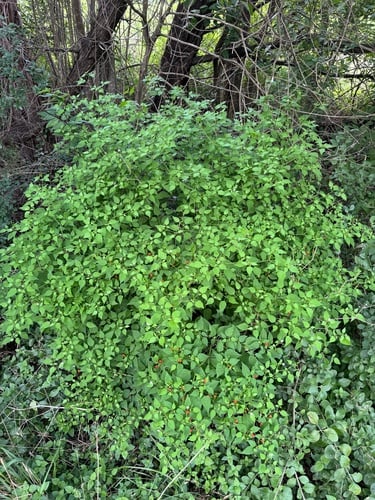
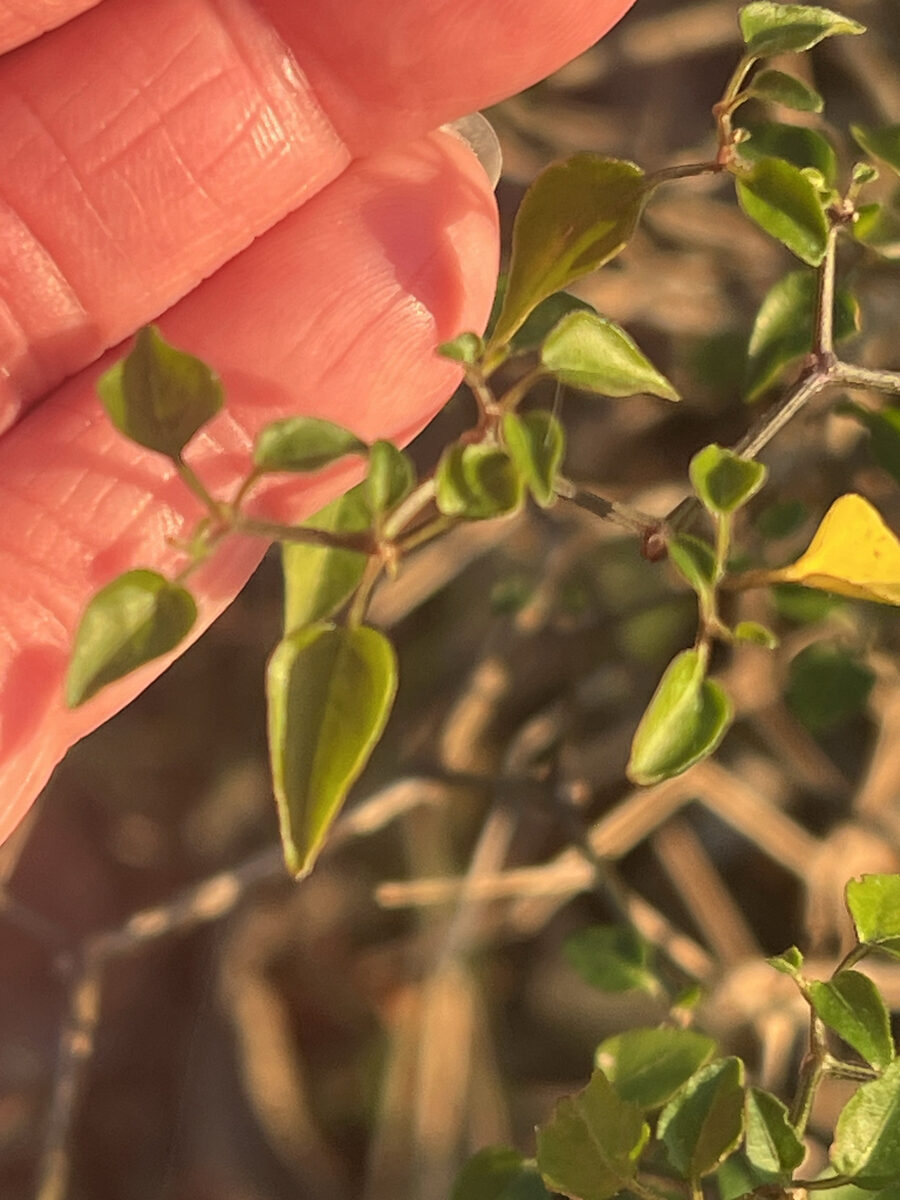
(c) Eric Rojas-Abarca, some rights reserved (CC BY-NC), uploaded by Eric Rojas-Abarca
iNaturalist· cc-by-nc
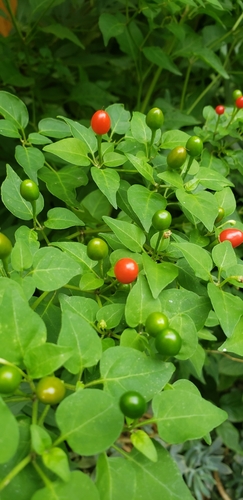
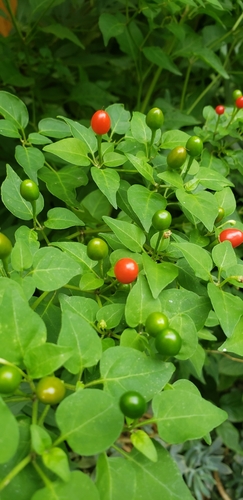
(c) Jupiter Godoy, some rights reserved (CC BY-NC), uploaded by Jupiter Godoy
iNaturalist· cc-by-nc
(c) andreabot_, some rights reserved (CC BY-NC)
Summary
Perennial herb, frost tender, with hermaphrodite flowers pollinated by insects. Grows in light sandy, medium loamy, and heavy clay soils with good drainage. Adapts to mildly acid, neutral, and mildly alkaline pH. Requires full sun and prefers consistently moist soil.
Description
A potato plant. It is a herb that grows 50-150 cm tall. The leaves are divided and 16-28 cm long by 9-19 cm wide. The tubers are small and slightly bitter.
Edible Uses
The roots can be eaten raw or cooked. They are rich in starch and represent a type of wild potato, though the tubers are fairly small and carry a slightly bitter flavour.
Medicinal Uses
None known
Known Hazards
Although no specific mention of toxicity has been seen for this species, it belongs to a genus where many if not all the members have poisonous leaves and sometimes also the unripe fruits.
Distribution
It is a temperate plant. In Argentina it grows from sea level to 1,800 m above sea level.
Where It Grows
Argentina, Chile, South America,
Cultivation
Succeeds in most soils. Dislikes wet or heavy clay soils. Prefers a slightly acid soil, the tubers are subject to scab on limy soils or those deficient in humus. Yields best on a fertile soil rich in organic matter. This plant is one of the S. American species of potatoes. It is not frost hardy but can probably be grown in much the same way as potatoes are grown by planting out the tubers in spring and harvesting in the autumn. Plants might have strict daylength requirements and may yield poorly in temperate zones because they need short-days in order to induce tuber-formation.
Propagation
Sow seed in early spring in a warm greenhouse. Prick seedlings out into a fairly rich compost as soon as they are large enough to handle and grow them on quickly. Plant out after the last expected frosts. Alternatively, propagate by division. Harvest tubers in autumn once frost has cut back the top-growth, then store them in a cool, frost-free place over winter and replant in April.
Other Uses
None known
Notes
There are about 1400 Solanum species.
Also Known As
Malla, Malle, Papa cimarrona, Papa de zorro
References (6)
- Cordero, S. E., Abello, L. A., & Galvez, F. L., 2017, Plantas silvestres comestibles y medicinales de Chile y otras partes del mundo. CORMA p 240
- Grun, P., 1990, The Evolution of Cultivated Potatoes. Economic Botany, Vol. 44, No. 3, Supplement: New Perspectives on the Origin and Evolution of New World Domesticated Plants pp. 39-55
- Hedrick, U.P., 1919, (Ed.), Sturtevant's edible plants of the world. p 614
- Hort. hal. 1:6. 1841
- Leon-Lobos, P., et al, 2022, Patterns of Traditional and Modern Uses of Wild Edible Native Plants of Chile: Challenges and Future Perspectives. Plants (Basel) v 11 (6) Table S1
Show all 6 references Hide references
- Plants for a Future database, The Field, Penpol, Lostwithiel, Cornwall, PL22 0NG, UK. http://www.scs.leeds.ac.uk/pfaf/