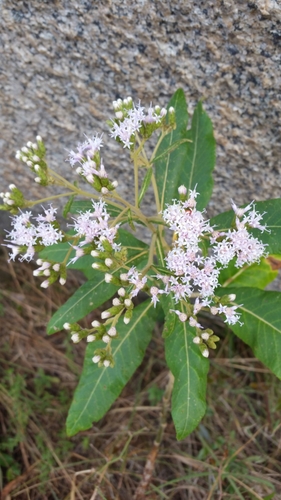
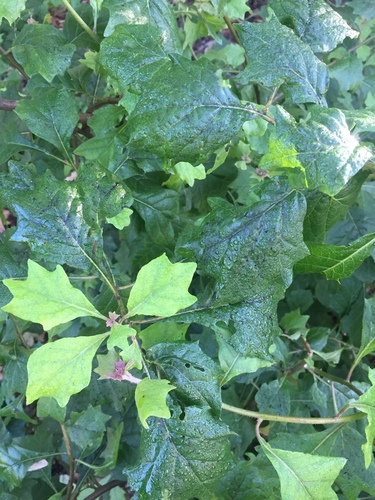
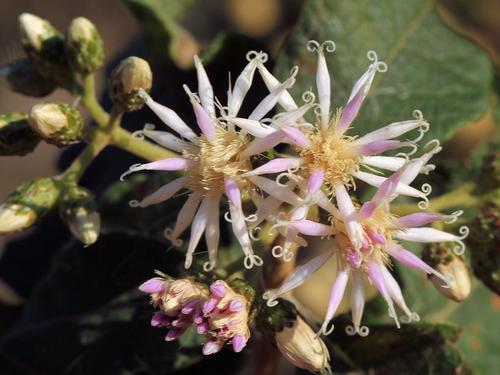
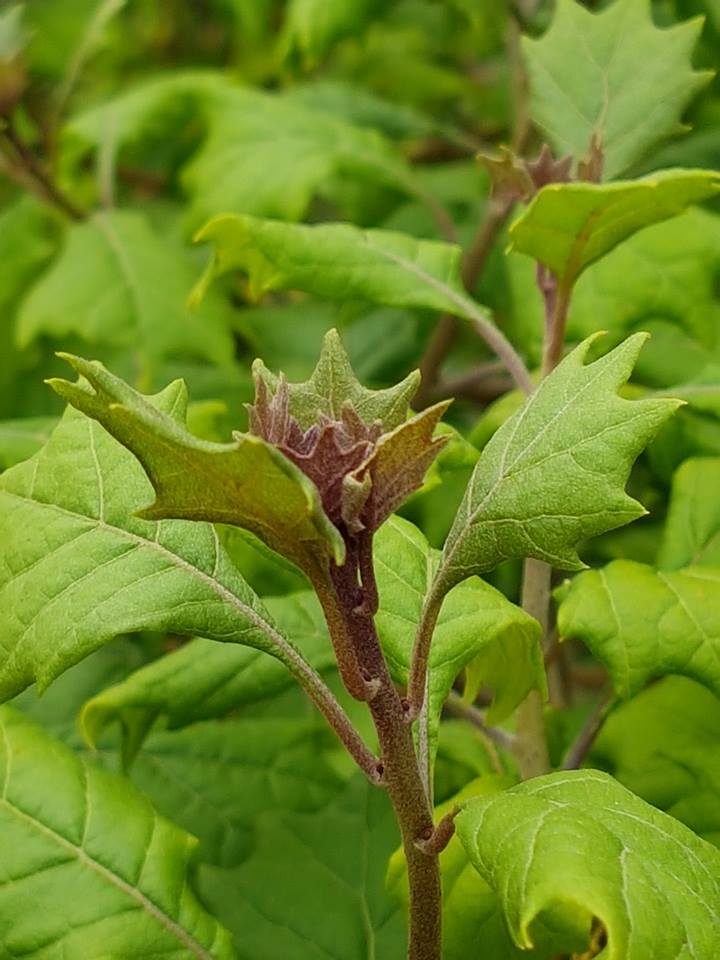
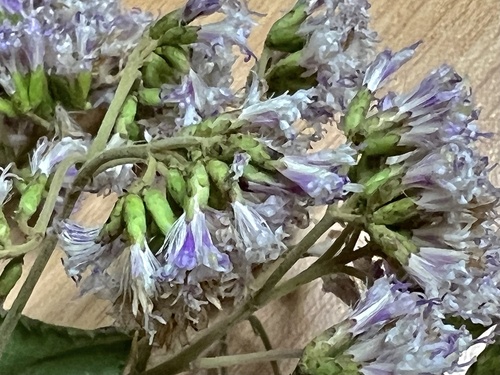
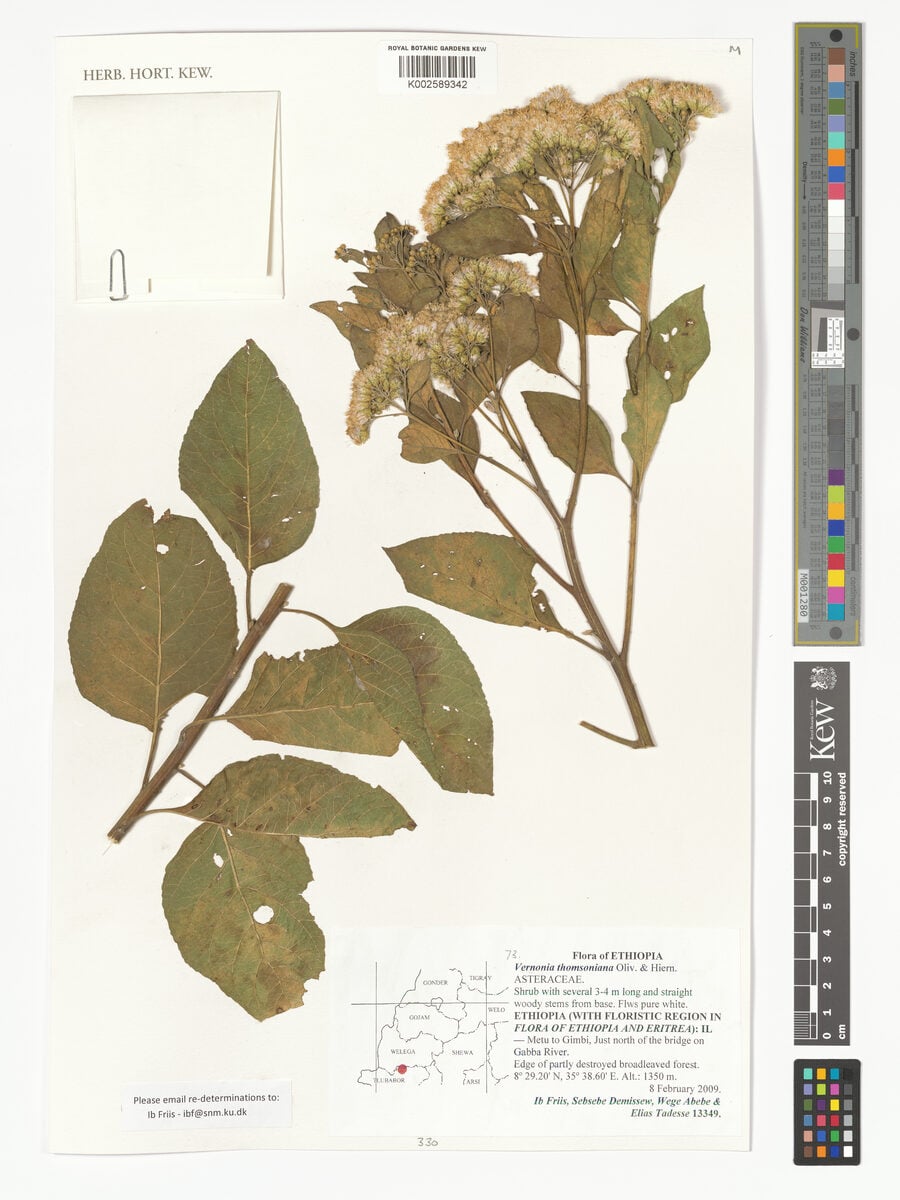
Senecio pierotii
Miq.
gbif· cc-by
Meise Botanic Garden
Summary
Senecio pierotii is a perennial reaching 0.6 m in height with hermaphroditic, insect-pollinated flowers. It adapts to light sandy, medium loamy, and heavy clay soils with good drainage across mildly acid to basic pH ranges. This species requires full sun, prefers moist soil, and displays good tolerance to maritime conditions.
Description
Senecio pierotii is a perennial reaching 0.6 m in height with hermaphroditic, insect-pollinated flowers. It adapts to light sandy, medium loamy, and heavy clay soils with good drainage across mildly acid to basic pH ranges. This species requires full sun, prefers moist soil, and displays good tolerance to maritime conditions.
Edible Uses
Leaves are prepared by cooking. Caution is recommended due to potential toxicity.
Medicinal Uses
None known
Known Hazards
Although no mention of toxicity has been seen for this species, it belongs to a genus that contains a number of plants with a cumulative poisonous effect on the liver. Some caution is advised.
Distribution
It is a temperate plant.
Where It Grows
Asia, Japan, Korea,
Cultivation
We have very little information on this species and do not know if it will be hardy in Britain, though judging by its native range it should succeed outdoors in many parts of this country. The following notes are based on the general needs of the genus. Succeeds in a sunny position in most well-drained moderately fertile soils.
Propagation
Sow seeds in spring in a greenhouse with minimal soil coverage, maintaining moist compost. When seedlings are manageable, pot individually and plant out in early summer if sufficiently developed, otherwise grow under protection through the first winter and transplant after the final frost. Spring division or early spring root cuttings are alternative methods.
Other Uses
None known Special Uses
Notes
There are over 1000 Senecio species.
Synonyms
References (2)
- Chen, B. & Qiu, Z., Consumer's Attitudes towards Edible Wild Plants, Ishikawa Prefecture, Japan. p 24 www.hindawi.com/journals/ijfr/aip/872413.pdf
- Plants for a Future database, The Field, Penpol, Lostwithiel, Cornwall, PL22 0NG, UK. http://www.scs.leeds.ac.uk/pfaf/