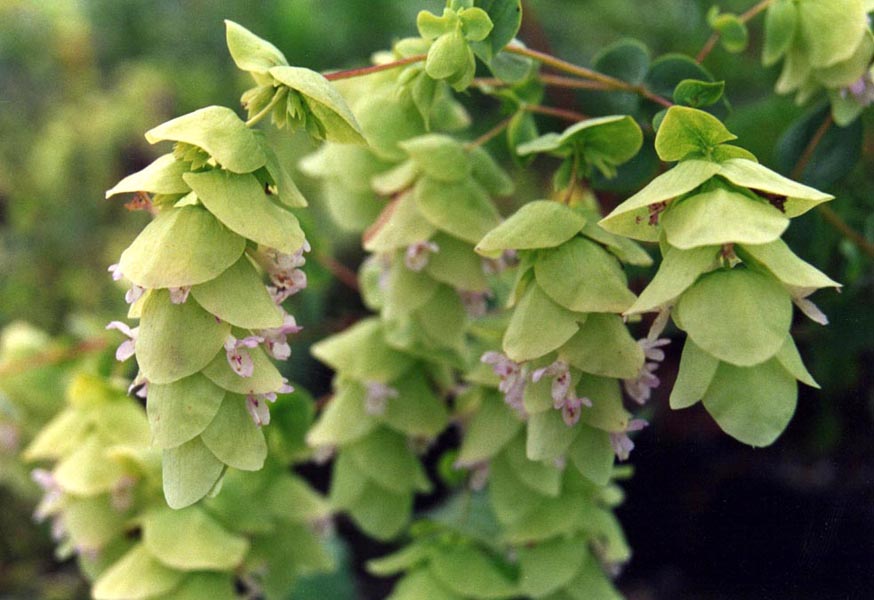
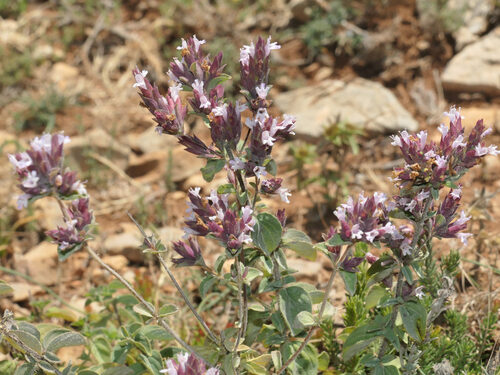
Scutellaria indica
L.
Han xin cao
iNaturalist· cc0
no rights reserved, uploaded by 葉子
iNaturalist· cc-by-nc
(c) Max Hsieh(雁子), some rights reserved (CC BY-NC)
Summary
Source: WikipediaA perennial reaching 0.3 m (1 ft) tall and 0.2 m (8 in) wide. Hardy to UK zone 5. Flowers from June to August with seeds ripening July to September. Hermaphroditic, pollinated by bees and flies. Grows in light sandy, medium loamy, and heavy clay soils across mildly acidic to mildly alkaline pH ranges. Requires full sun and prefers moist soil.
Description
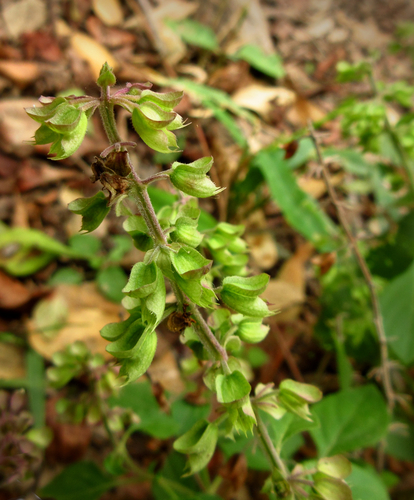
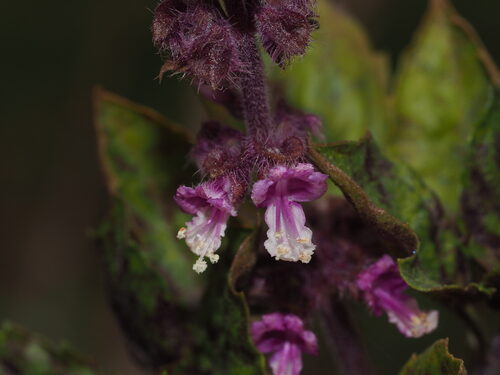
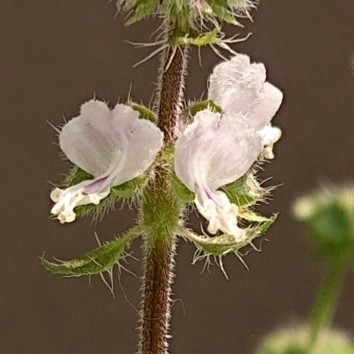
A shrub which keeps growing from year to year. The stems are dark purple. It is 8-28 cm tall. It is hairy. The leaf stalk is 0.4-1.4 cm long. The leaf blade is 0.8-2.6 cm long by 0.8-2.3 cm wide. The edges of the leaf are uneven. The flowers are at the ends of the branches. The flower stalks are 2-8 cm long. The flowers are purple. The nutlets are dark brown.
Edible Uses
The young plant can be cooked and eaten as a vegetable.
Medicinal Uses
Used as a folk remedy for traumatic injuries.
Distribution
A temperate plant. It grows on hillsides and grasslands in open places to 1500 m altitude in China. It suits hardiness zones 5-9.
Where It Grows
Asia, Australia, Cambodia, China, India, Indochina, Indonesia, Japan, Korea, Laos, Malaysia, Myanmar, SE Asia, Taiwan, Thailand, Vietnam,
Cultivation
Succeeds in a sunny position in any ordinary garden soil that does not dry out during the growing season. This species grows well in a rock garden.
Propagation
Sow seed in situ outdoors in late spring. With only a small quantity of seed, sow in a pot in a cold frame in early spring, prick out into individual pots when large enough to handle, and plant out in spring. Divide in spring just before new growth begins. Larger divisions can go directly into permanent positions. Smaller divisions are best potted up and grown on in a lightly shaded cold frame until well established before planting out in summer. Basal cuttings can be taken in early summer in a frame. Harvest shoots with plenty of underground stem when they are about 8–10cm above the ground, pot into individual pots, and keep in light shade in a cold frame or greenhouse until rooting well, then plant out in summer.
Other Uses
None known
Notes
There are about 350 Scutellaria species.
References (7)
- Cundall, P., (ed.), 2004, Gardening Australia: flora: the gardener's bible. ABC Books. p 1328
- Heywood, V.H., Brummitt, R.K., Culham, A., and Seberg, O. 2007, Flowering Plant Families of the World. Royal Botanical Gardens, Kew. p 179
- Hibbert, M., 2002, The Aussie Plant Finder 2002, Florilegium. p 289
- Lawton, B.P., 2002, Mints. A Family of Herbs and Ornamentals. Timber Press, Portland, Oregon. p 198
- Li Hai-wen, Hedge, I.C., Lamiaceae. Flora of China.
Show all 7 references Hide references
- Plants for a Future database, The Field, Penpol, Lostwithiel, Cornwall, PL22 0NG, UK. http://www.scs.leeds.ac.uk/pfaf/
- Sp. pl. 2:600. 1753