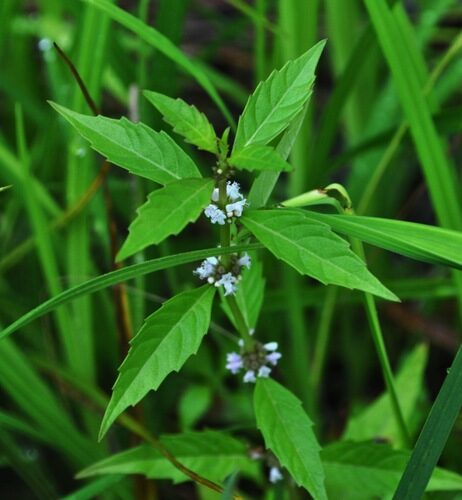
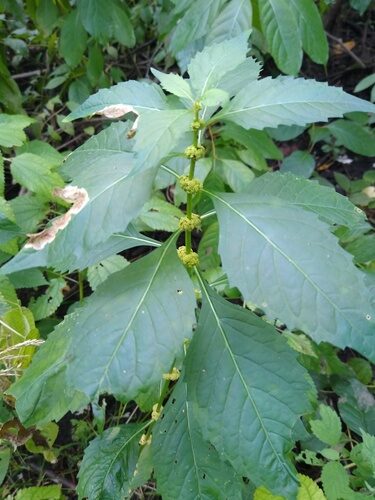
Ocimum tenuiflorum
L.
Sacred Basil
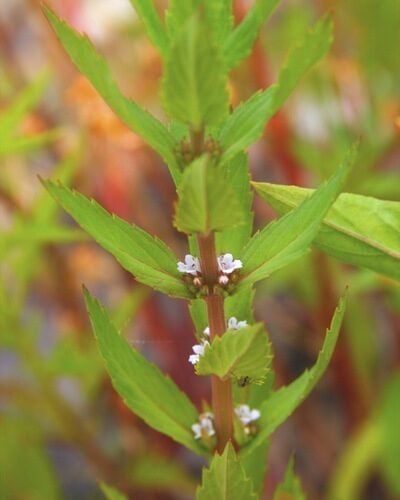
iNaturalist· cc-by-nc
(c) 小铖/Smalltown, some rights reserved (CC BY-NC), uploaded by 小铖/Smalltown
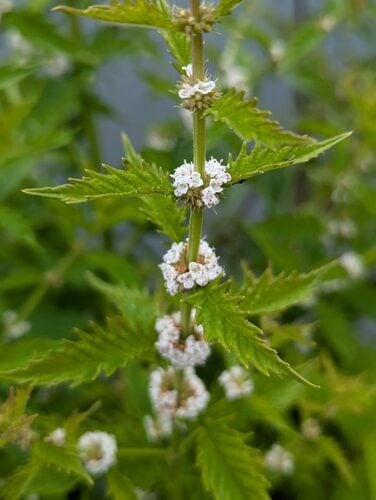
iNaturalist· cc-by-nc-sa
(c) Sutthikhun Phaengphongsai, some rights reserved (CC BY-NC-SA), uploaded by Sutthikhun Phaengphongsai
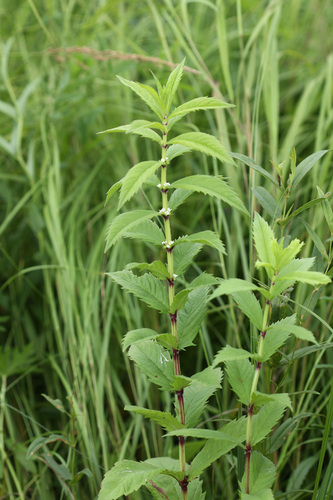
iNaturalist· cc-by-nc
(c) Rajendra Koranga, some rights reserved (CC BY-NC), uploaded by Rajendra Koranga
Description
Ocimum tenuiflorum is an evergreen Annual/Perennial growing to 1 m (3ft 3in) by 0.5 m (1ft 8in) at a fast rate. See above for USDA hardiness. It is hardy to UK zone 10. Suitable for: light (sandy), medium (loamy) and heavy (clay) soils, prefers well-drained soil and can grow in nutritionally poor soil. Suitable pH: mildly acid, neutral and basic (mildly alkaline) soils and can grow in saline soils. It cannot grow in the shade. It prefers moist soil.
Edible Uses
Leaves - raw or cooked. Sweetly spicy, with a sharp, pronounced clove scent and pungency. Used in salads, they can also be cooked as a potherb or used as a flavouring in a variety of dishes. A refreshing tea can be made from the leaves. Fresh flowers. The mucilaginous seeds are made into a sweet, cooling beverage.
Medicinal Uses
Sacred basil is a very important herb in the Ayurvedic tradition. A pungently aromatic, warming, antiseptic herb; it induces perspiration; lowers fevers; relaxes spasms; eases pain; clears bacterial infections; strengthens the immune and nervous systems; reduces inflammations; and benefits the digestive system[238 , 254 , 272 , 348 ]. Research has shown that the herb has the ability to lower blood sugar levels. The essential oils from the leaf have shown antibacterial and antifungal activity. They contain methylchaviol, eugenol and other volatile, commercial oils. The plant is used internally in the treatment of feverish illnesses (especially in children), colds, influenza, sinusitis, headaches, rheumatism, arthritis, digestive disorders, including abdominal distension and cramps; low libido and negativity. It has been found helpful in some types of diabetes. The herb is used externally as an antiseptic to treat skin infections, spots etc. The juice of the plants is used to treat insect bites and ringworm. The juice is dropped into the ear to treat earaches. The leaves can be harvested during the growing season and used fresh or dried for later use. The seeds are used as a tonic.
Distribution
E. Asia - China, Indian subcontinent, Myanmar, Thailand, Cambodia, Laos, Vietnam, Malaysia, Indonesia, Philippines, New Guinea, northern Australia.
Where It Grows
TROPICAL ASIA: India (doubtfully native), Sri Lanka, Indonesia, Malaysia, Philippines,
Cultivation
A plant of the moist to wet, lowland tropics, where it is found at elevations up to 1,000 metres. It grows best in areas where annual daytime temperatures are within the range of 20 - 28°c but can tolerate 15 - 35°c. When dormant, the plant can survive temperatures down to about -1°c. It prefers a mean annual rainfall in the range 1,000 - 3,000mm, but tolerates 700 - 7,600mm. Prefers moist but well-drained soil in a sunny position. It prefers rich, light, well-drained to dry soil and a position in full sun. It prefers a pH range of 6 - 7.5, tolerating 5 - 9. Cool, humid, overcast weather causes the plants to succumb to grey mould. The three main forms cultivated in India and Nepal are Ram tulsi (the most common type, with broad bright green leaves that are slightly sweet), the less common purplish green-leaved (Krishna or Shyam tulsi) and the common wild vana tulsi (e.g., Ocimum gratissimum also known as clove basil). The twigs can be harvested only one month after planting the young plants and thereafter at periods of every two weeks during the growing season. The plant attains full bloom stage (maturity) 65 - 70 days after transplanting. There are several named varieties. In garden design, as well as the above-ground architecture of a plant, root structure considerations help in choosing plants that work together for their optimal soil requirements including nutrients and water. Thick or swollen - fibrous or tap root.
Propagation
Seed. Cuttings - easy
Other Uses
Other Uses The stems are cut into beads for rosaries. The essential oil from the plant is used as an insect repellent. Sacred Basil is constantly flowering, which attracts pollinators and other beneficial insects. Makes a good insect hedge.
Synonyms
Also Known As
Sacred Basil, Ajaka, Baranda, Basilic des moines, Basilic sacre, Bidai, Brinda, Bryanda, Gaggera, Hsiang tsai, Kala tulsi, Kamangi, Kaphrao, Katriin, Kom ko dong, Krishna tulasi, Loko-loko, Maeng-luk, Manjari, Mreah preu, Mreahs prow, Nalla tulasi, Parnasa, Patrapuspha, Ruku-ruku, Sacred balm, Saph'au, Sheng luo le, Sulasi, Suvasa tulasi, Tarp hao, Te marou, Thai basil, Trittavu, Tulasa, Tulasi chajadha, Tulsi, Tunrusi, achhaphun, albahaca morada, badroj, badrooj, bahumaniri, bana tulasi, basilic des moines, basilic à petites feuilles, bazsalikom levél, bhutaghn, bidai, brush-leaf-tea, daun lampes, folium ocimi sancti, garden balsam, green tulsi, helig basilika, holi basil, holy basil, holy basil leaf, holy basil, sacred basil|heen maduruthala, huong nhu t¡ia, im-khim-lam, jagu lu myah, kamangi, kamimebouki, kaphrao, kaprao, kemangi, kemangi laki, kemangi utan, kom ko dong, kra phrao, k???atulasi, lampas, lampes, loko-loko, manchi tulasi, manjericão-branco, monk's basil, nalla tulasi, ocimum sanctum, oku, peihan, persian, powdered holy basil leaf, pti basilic, raihan, rayhhan, rehan, reihan, rough basil, ruku-ruku, sacred balm, sacred basil, saling-kugon, saling-kugon ma, selaseh puteh, selasih, shree tulasi, solasi, sri tulasi, sulasi, surasa, surasa, sursa, tamole, thiru theezai, thiruthazhai, thulasi, tjlsi, tompanamma, toolsee, tulas, tulasa, tulashi, tulasi, tulasi (leaf), tulasi (seed), tulasi (whole plant), tulsi, vishnu tulasi.