Ocimum x africanum
Lour.
iNaturalist· cc-by-nc-sa
(c) Sutthikhun Phaengphongsai, some rights reserved (CC BY-NC-SA)
iNaturalist· cc-by-nc-sa
(c) Sutthikhun Phaengphongsai, some rights reserved (CC BY-NC-SA)
iNaturalist· cc-by-nc
(c) jularat, some rights reserved (CC BY-NC)
Description
A cultivated tropical herb in the mint family (Lamiaceae) found in Yunnan.
This description is brief — help expand it
Edible Uses
In Lao cuisine, (where it is called pak i tou,) lemon basil is used extensively in soups, stews, curries and stir-fried dishes as it is the most commonly used type of basil in Laos. Many Lao stews require the use of lemon basil as no other basil varieties are acceptable as substitutes. The most popular Lao stew called or lam uses lemon basil as a key ingredient. Lemon basil is used much in Indonesian cuisine, where it is called kemangi. It is often eaten raw with salad or lalap (raw vegetables) and accompanied by sambal. Lemon basil is often used to season certain Indonesian dishes, such as curries, soup, stew and steamed or grilled dishes. In Thailand, Lemon basil, called maenglak (Thai: แมงลัก), is one of several types of basil used in Thai cuisine. The leaves are used in certain Thai curries and it is also indispensable for the noodle dish khanom chin nam ya. In the Philippines, where it is called sangig, particularly in Cebu and parts of Mindanao, Lemon basil is used to add flavor to law-uy, which is an assortment of local greens in a vegetable-based soup. The seeds resemble chia seeds after they have been soaked in water and are used in sweet desserts. It is also used in North East part of India state Manipur. In Manipur, it is used in curry like pumpkin, used in singju (a form of salad), and in red or green chilli pickles. The Garo, Khasi and Jaintia tribe of Meghalaya also use it in their cuisine. The Garos call it panet (pronounced phanet). They use it to prepare cold sauce (Ind. Chutney) with added ingredients like fermented fish, chile, onions sometimes roasted tomatoes. In Tripura, it is known as banta, and is used by Tripuri community to make banta mosdeng, a fermented fish-based spicy chutney. In Nigerian cuisine, lemon basil is referred to as partminger or curry leaf, not to be confused with the unrelated curry tree Bergera koenigii cultivated in the Indian subcontinent.
Traditional Uses
The leaves are used as a vegetable. They also are a spice.
This uses section is brief — help expand it
Distribution
It is a tropical plant. In Yunnan.
Where It Grows
Africa, Angola, Asia, Brazil, China, India, Indochina, Indonesia, Philippines, SE Asia, South America,
Other Information
It is cultivated.
Synonyms
Also Known As
Dinguanzi
References (5)
- Liu, Yi-tao, & Long, Chun-Lin, 2002, Studies on Edible Flowers Consumed by Ethnic Groups in Yunnan. Acta Botanica Yunnanica. 24(1):41-56 (As Ocimum basilicum var. pilosum)
- Maghirang, R. G., et al, 2018. Ethnobotanical Studies of Some Plants Commonly Used as Vegetables in Selected Provinces of the Philippines. Journal of Nature Studies. 17(2), 30-43. (As Ocimum citriodorum)
- Mawunu, M., et al, 2022, Ethnobotanical uses of wild edible plants of Mucuba municipality, Angola. Natural Resources for Human Health. 2022, 0:1-10
- Sukenti, K., et al, 2016, Ethnobotanical study on local cuisine of the Sasak tribe in Lombok Island, Indonesia. Journal of Ethnic Foods. 3 (2016) 189-200 p 198 (As Ocimum basilicum var. anisatum)
- Wiersema, J. H. & Leon, B., 2013, World Economic Plants. A Standard Reference CRC Press. 2nd Ed. p 472
More from Lamiaceae
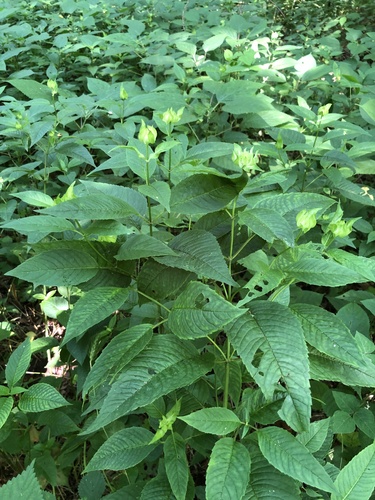
Monarda clinopodia
White basil-balm
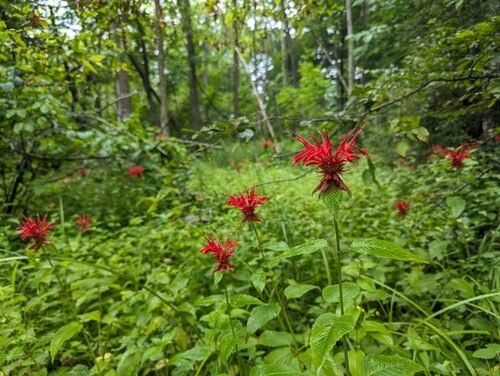
Monarda didyma
Bergamot, Scarlet beebalm, Horsemint, Oswego Tea, Bee Balm
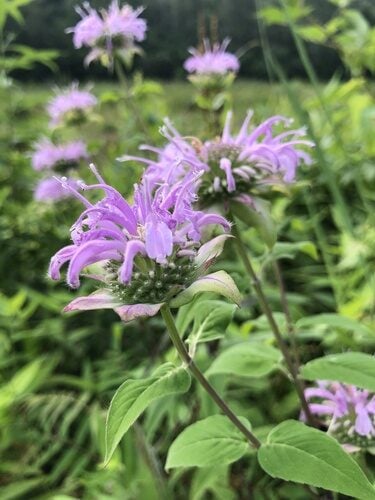
Monarda fistulosa
Wild Bergamot, Mintleaf bergamot, Wild Bee-Balm, Lupine
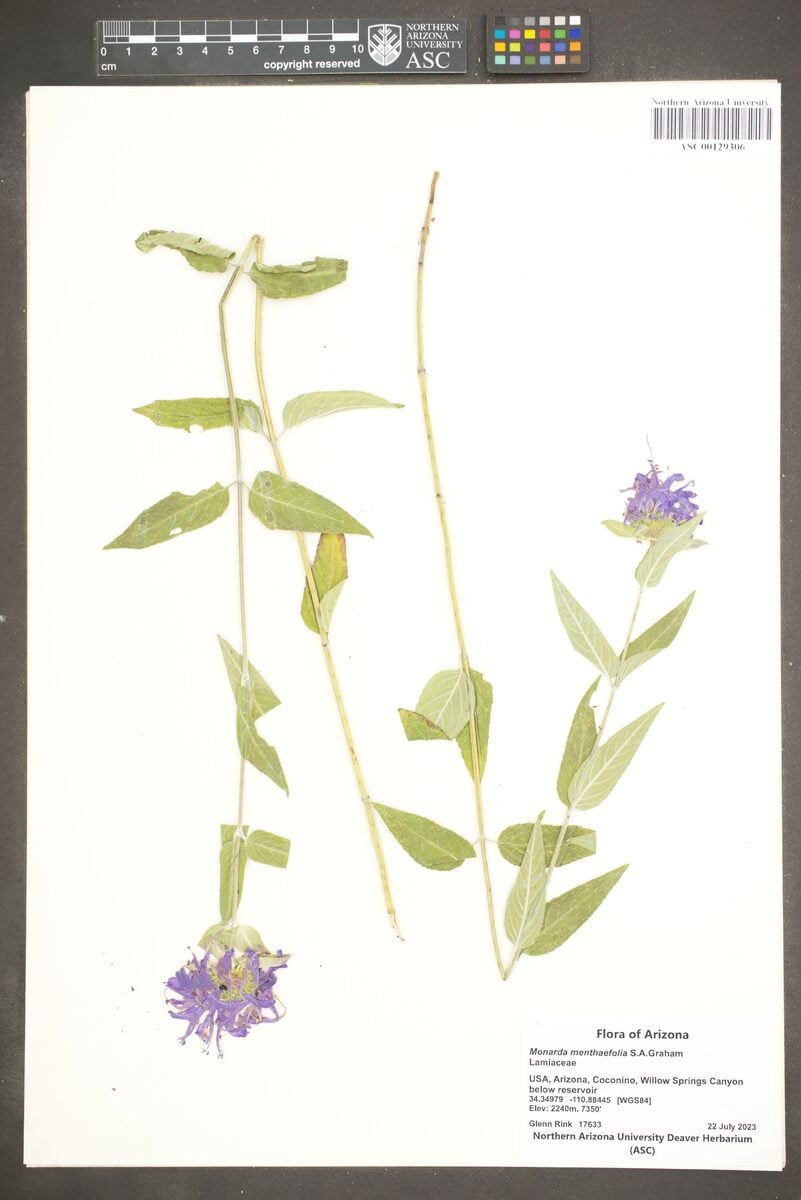
Monarda menthifolia
Mint-Leaved Bergamot, Mintleaf bergamot
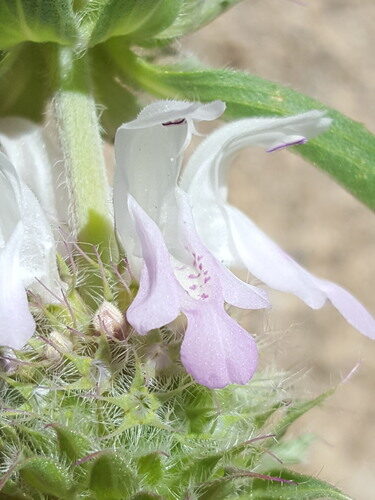
Monarda pectinata
Plains Lemon Monarda, Pony beebalm
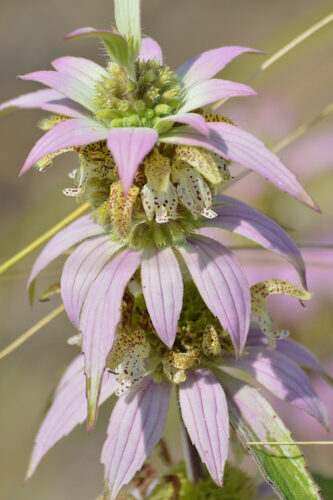
Monarda punctata
Horse Mint, Spotted beebalm