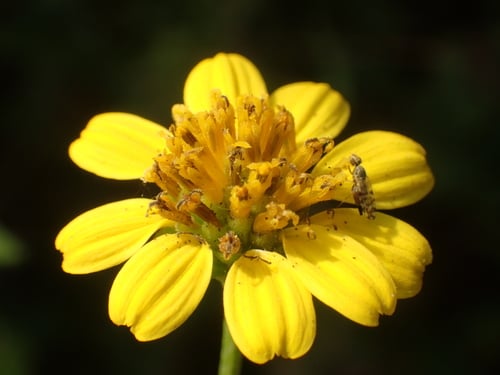
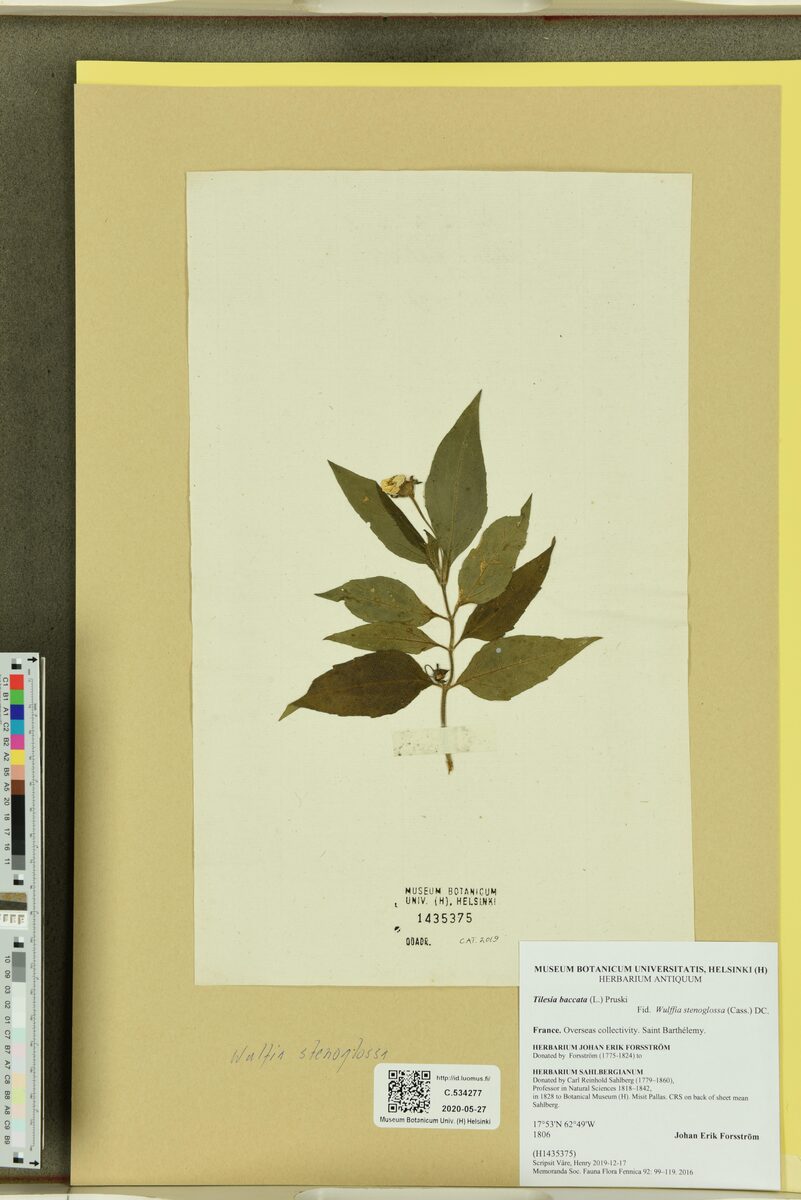
Scorzonera undulata
Vahl.
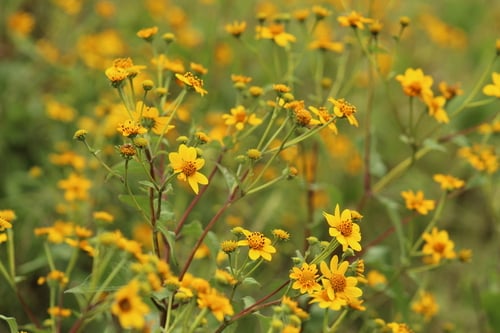
iNaturalist· cc-by-nc
(c) Abdulnaser Abdulkarim, some rights reserved (CC BY-NC)
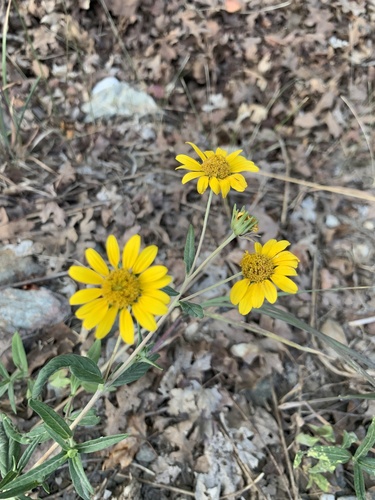
iNaturalist· cc-by-nc
(c) Abdulnaser Abdulkarim, some rights reserved (CC BY-NC)
iNaturalist· cc-by-nc
(c) Abdulnaser Abdulkarim, some rights reserved (CC BY-NC)
Summary
A perennial growing to 1 foot tall with hermaphroditic flowers pollinated by insects. Requires full sun and well-drained soil; tolerates sandy, loamy, or clay substrates. Accepts mildly acidic to basic soil pH, including very alkaline conditions. Prefers dry or moist soil and cannot develop in shade.
Description
A perennial growing to 1 foot tall with hermaphroditic flowers pollinated by insects. Requires full sun and well-drained soil; tolerates sandy, loamy, or clay substrates. Accepts mildly acidic to basic soil pH, including very alkaline conditions. Prefers dry or moist soil and cannot develop in shade.
Edible Uses
The root is edible when cooked, and the flowers can be eaten raw.
Traditional Uses
The flower heads have a chocolate taste and are eaten raw. The leaves are eaten raw in salads. The roots are eaten raw or cooked.
This uses section is brief — help expand it
Medicinal Uses
None known
Distribution
It is a Mediterranean plant. It grows in areas with an annual rainfall between 100-400 mm. It grows on dry sands and silts. It grows in coastal areas. It can grow in arid places.
Where It Grows
Africa, Algeria, Egypt, Europe, Italy, Libya, Mediterranean, Morocco, North Africa, Tunisia,
Cultivation
We have very little information on this species and do not know if it will be hardy in Britain, though judging by its native range it should succeed outdoors in most parts of the country. The following notes are based on the general needs of the genus. Succeeds in any soil in sun or light shade.
Propagation
Sow seed in spring in the greenhouse, pricking seedlings out into relatively deep pots as soon as they are large enough to handle, to accommodate the tap root. If growth is strong, plant out in early summer; otherwise overwinter them in the greenhouse and plant out in late spring the following year. Divide in autumn or as growth begins in spring. Larger divisions can go directly into permanent positions, while smaller ones are best potted up and grown on in a lightly shaded cold frame until well established, then planted out in summer.
Other Uses
None known
Other Information
They are eaten especially by children.
Also Known As
Alam, Chtel, Guiz, Lguiz, Quiz
References (8)
- Ben Ismail, H., 2013, Edible Wild Vegetables Used in North West of Tunisia. PARIPEX - Indian Journal of Reearch 2(9) :219-221
- Bidak, L. M., et al, 2015, Goods and services provided by native plants in desert ecosystems: Examples from the northwestern coastal desert of Egypt. Global Ecology and Conservation 3 (2015) 433–447
- Dop, M. C., et al, 2019, Identification and frequency of consumption of wild edible plants over a year in central Tunisia: a mixed-methods approach. Public Health Nutrition: 23(5), 782–794
- Lim, T. K., Edible Medicinal and Non-Medicinal Plants Volume 7 Flowers
- Nassif, F., & Tanji, A., 2013, Gathered food plants in Morocco: The long forgotten species in Ethnobotanical Research. Life Science Leaflets 3:17-54
Show all 8 references Hide references
- Plants for a Future database, The Field, Penpol, Lostwithiel, Cornwall, PL22 0NG, UK. http://www.scs.leeds.ac.uk/pfaf/
- Royal Botanic Gardens, Kew (1999). Survey of Economic Plants for Arid and Semi-Arid Lands (SEPASAL) database. Published on the Internet; http://www.rbgkew.org.uk/ceb/sepasal/internet [Accessed 14th April 2011]
- World Checklist of Useful Plant Species 2020. Royal Botanic Gardens, Kew