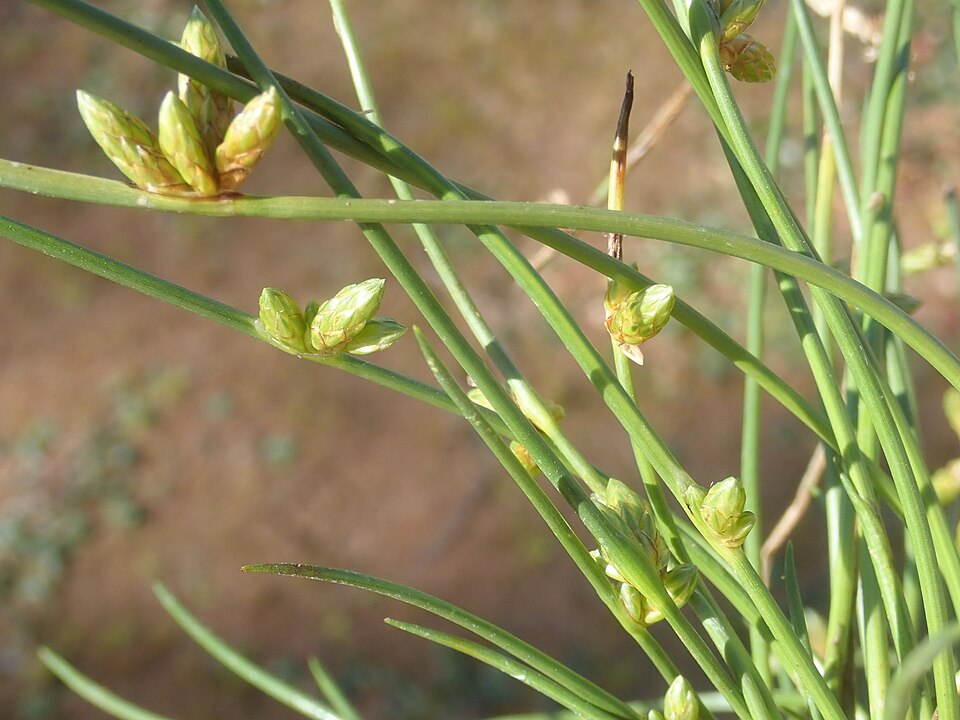
Bolboschoenus robustus
(Pursh) Sojak
Alkali bulrush
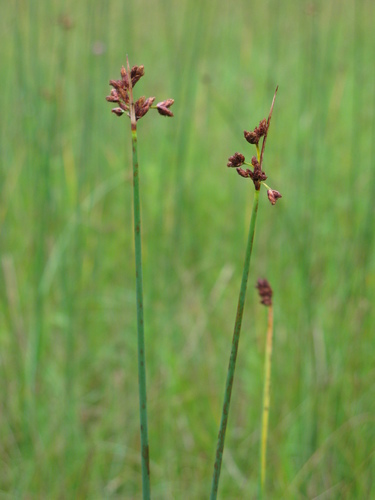
iNaturalist· cc-by-nc
(c) Sarah Towne, some rights reserved (CC BY-NC), uploaded by Sarah Towne
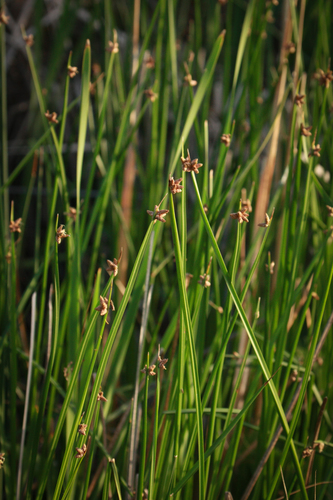
iNaturalist· cc-by-nc
(c) Chuck Cantley, some rights reserved (CC BY-NC), uploaded by Chuck Cantley
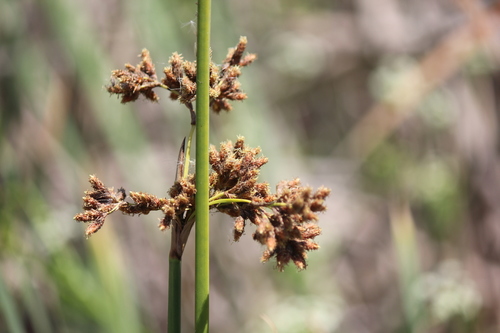
iNaturalist· cc-by-nc
(c) Chuck Cantley, some rights reserved (CC BY-NC), uploaded by Chuck Cantley
Summary
Source: WikipediaBolboschoenus robustus is a species of flowering plant in the sedge family. It is known by many common names: saltmarsh bulrush, alkali bulrush, sturdy bulrush, seacoast bulrush, stout bulrush, three-cornered sedge or leafy three-cornered sedge, and seaside club-rush.
Description
Bolboschoenus robustus is a fast-growing evergreen perennial reaching 1 m tall by 1 m wide. Hardy to UK zone 7 and not frost tender. Wind-pollinated and noted for attracting wildlife. Tolerates light sandy, medium loamy, and heavy clay soils. Grows in neutral to basic pH soils including very alkaline and saline conditions. Requires full sun and prefers wet soil or water-growing conditions.
Edible Uses
Edible Uses & Rating: Corms are the principal food part: starchy, mild, and satisfying when roasted, boiled, or dried and milled. Seeds contribute a nutty flour after winnowing and roasting. In coastal foraging contexts it is among the best carbohydrate sources available [2-3]. Edibility rating: 4.5/5 for corms; overall 4/5 given habitat limits. Taste, Processing & Kitchen Notes: Fresh corms are firm to hard. Roasting softens and coaxes a chestnut-potato profile with faint sweetness. Boiling followed by mashing yields a coarse puree; drying and milling yield a pleasantly nutty, pale flour good for dumplings or as a thickener. Seeds benefit from roasting before milling to remove any brackish note [2-3]. Seasonality (Phenology): Vegetative growth begins in spring as marsh temperatures rise. Flowering and seed set occur from summer to early autumn. Corms are fullest in late autumn into winter, after aerial parts senesce, mirroring carbohydrate allocation cycles [2-3]. Safety & Cautions (Food Use): Harvest only from clean saltmarshes away from storm drains and legacy contamination. Rinse corms to remove surface salts; parboiling in fresh water reduces residual salinity. Harvest & Processing Workflow: For corms, probe at the base of senesced culms in late autumn, levering up with a narrow spade. Trim, wash, and either roast whole or slice and boil. For flour, slice, dehydrate to brittleness, and mill. For seeds, clip mature heads, dry, rub free, winnow, roast, and grind. Look-Alikes & Confusion Risks: Easily confused with Bolboschoenus maritimus. Both have corms. Local floras separate them by subtle achene morphology and bract metrics; for foraging, the distinction is less critical than correct genus. Distinguish from non-corm-forming Schoenoplectus by digging and checking for true corms. Traditional/Indigenous Use Summary: Coastal peoples have long used corms as starchy food and stems/leaves for matting and thatch. Waterfowl hunting cultures valued dense stands as feeding grounds that concentrated birds seasonally.
Traditional Uses
The young shoots are eaten. The roots are eaten.
This uses section is brief — help expand it
Medicinal Uses
None Known
Distribution
It is a temperate plant. In Argentina it grows from sea level to 500 m above sea level.
Where It Grows
Argentina, Brazil, North America, Paraguay, Uruguay, USA,
Propagation
Divide corms in late winter or plant freshly dug corm-rhizome pieces in early spring. Seed can be used with cold-moist stratification; broadcast onto saturated mudflats and protect from scouring.
Other Uses
Stems/leaves for matting and thatch. Waterfowl hunting cultures valued dense stands as feeding grounds that concentrated birds seasonally. Ecology & Wildlife: Corms and achenes are eaten by dabbling ducks and geese; stands create nursery habitat for fish and invertebrates in shallow pannes and creeks; root systems improve water clarity by binding fines. Practical chiefly in coastal restoration. Special Uses
Synonyms
References (1)
- Moerman, D. F., 2010, Native American Ethnobotany. Timber Press. p 523 (As Scirpus robustus)