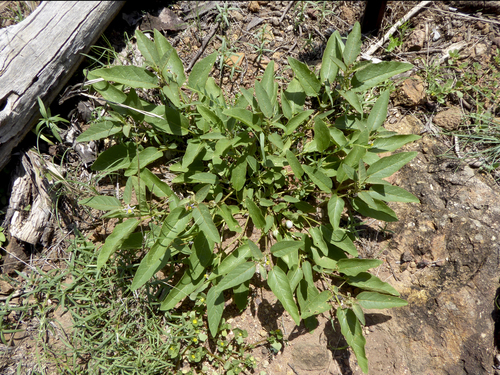
Schwenckia americana
L.
iNaturalist· cc-by-nc-nd
(c) Víctor de Paiva, some rights reserved (CC BY-NC-ND), uploaded by Víctor de Paiva
iNaturalist· cc-by-nc
(c) Guillaume Léotard, some rights reserved (CC BY-NC)
iNaturalist· cc-by-nc
(c) Nils Servientis - Bivouac Naturaliste, some rights reserved (CC BY-NC)
Description
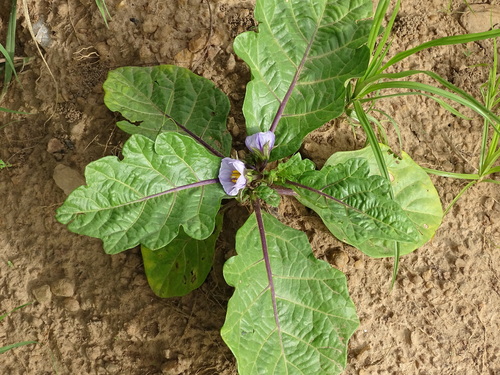
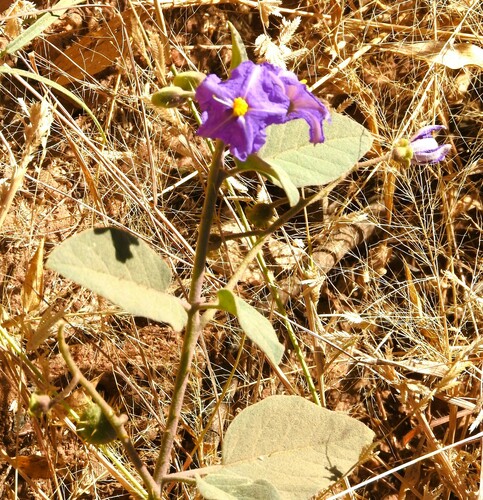
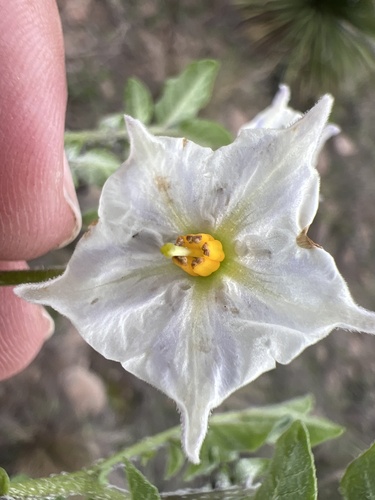
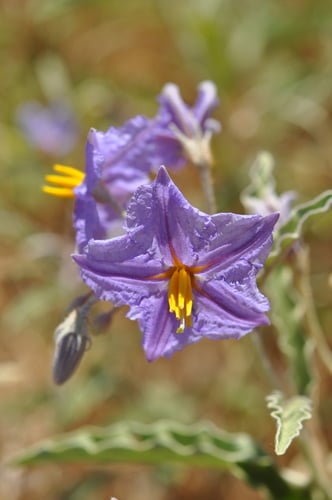
An annual herb or small shrub. It grows 1 m tall. It is woody at the base. The leaves are alternate. The leaves are 4 cm long by 2.5 cm wide. The upper leaves are smaller. The flowers are white and at the top of the stem.
Edible Uses
The leaves are sometimes eaten by locals.
Traditional Uses
Caution: There are reports that the plant can damage red blood cells.
This uses section is brief — help expand it
Medicinal Uses
It is used by locals as a traditional medicine, as animal fodder, and is sometimes eaten.
Known Hazards
The whole plant is pounded to pulp for use as an effective fish poison. Although providing many well-known foods for people, including the potato, tomato, pepper and aubergine, most plants in the family Solanaceae also contain poisonous alkaloids. Unless there are specific entries with information on edible uses, it would be unwise to ingest any part of this plant.
Distribution
A tropical plant. It grows in savannah woodland, palm groves and wet grass savannah. It grows from sea level to 1,000 m above sea level.
Where It Grows
Africa, Argentina, Brazil, Burkina Faso, Cameroon, Central Africa, Congo DR, Gabon, Guiana, Guianas, Guinea, Guinée, Guinea-Bissau, Guyana, Paraguay, Senegal, Sierra Leone, South America*, Suriname, Venezuela, West Africa,
Cultivation
Plants can be grown from seeds.
Other Uses
Roots and stems are used as chewing sticks for cleaning the teeth.
Also Known As
Bedjo, Belebelinguele, Psito, Serere, Timim-timim-o
References (4)
- Jardin, C., 1970, List of Foods Used In Africa, FAO Nutrition Information Document Series No 2.p 99
- Latham, P., 2004, Useful Plants of Bas-Congo province. Salvation Army & DFID p 246
- Martin, F.W. & Ruberte, R.M., 1979, Edible Leaves of the Tropics. Antillian College Press, Mayaguez, Puerto Rico. p 220
- World Checklist of Useful Plant Species 2020. Royal Botanic Gardens, Kew