Sambucus chinensis
Lindl.
Chinese Elder
gbif· cc-by-nc-sa
MBG
gbif· cc-by
Ulf Swenson (S)
gbif· cc-by-nc-sa
MBG
Description
Sambucus chinensis is a PERENNIAL growing to 1.5 m (5ft). See above for USDA hardiness. It is hardy to UK zone 8. The species is hermaphrodite (has both male and female organs) and is pollinated by Insects. Suitable for: light (sandy), medium (loamy) and heavy (clay) soils and can grow in heavy clay soil. Suitable pH: mildly acid, neutral and basic (mildly alkaline) soils. It can grow in semi-shade (light woodland) or no shade. It prefers moist soil. The plant can tolerates strong winds but not maritime exposure. It can tolerate atmospheric pollution.
Edible Uses
Fruit - cooked. It is usually preserved, used in confectionery or as a tea. The fruit is about 4mm in diameter and is borne in large clusters. Some caution is advised, see notes on toxicity above. Stems and leaves - cooked. Some caution is advised, see the notes on toxicity above. Root - cooked. Use with caution, see the notes above on toxicity.
Medicinal Uses
Emetic Parasiticide. Emetic.
Known Hazards
Although no specific mention has been seen for this species, the leaves and stems of some, if not all, members of this genus are poisonous. The fruit of many species (although no records have been seen for this species) has been known to cause stomach upsets to some people. Any toxin the fruit might contain is liable to be of very low toxicity and is destroyed when the fruit is cooked.
Distribution
E. Asia - China, Japan.
Where It Grows
TEMPERATE ASIA: China (Anhui Sheng, Zhejiang Sheng, Fujian Sheng, Henan Sheng, Hunan Sheng, Hubei Sheng, Gansu Sheng, Jiangxi Sheng, Jiangsu Sheng, Guangdong Sheng, Guizhou Sheng, Shaanxi Sheng, Sichuan Sheng, Yunnan Sheng, Guangxi Zhuangzu Zizhiqu, Xizang Zizhiqu, Hainan Sheng), Japan (Hokkaidô (south), Honshu, Kyushu, Shikoku), Taiwan TROPICAL ASIA: Bhutan, India (Arunachal Pradesh, Manipur, West Bengal), Cambodia, Laos, Myanmar, Thailand (south), Vietnam, Indonesia, Malaysia (Sabah), Philippines
Cultivation
Tolerates most soils, including chalk, but prefers a moist loamy soil. Grows well in heavy clay soils. Tolerates some shade but is best in a sunny position. Tolerates atmospheric pollution and coastal situations. There is some confusion over the correct name of this species. It is said to be a synonym of S. javanica by some botanists, but this probably refers to a herbaceous plant, the correct name of which should be S. chinensis. The true S. javanica is a shrub.
Propagation
Seed - best sown as soon as it is ripe in the autumn in a cold frame, when it should germinate in early spring. Stored seed can be sown in the spring in a cold frame but will probably germinate better if it is given 2 months warm followed by 2 months cold stratification first. Prick out the seedlings into individual pots when they are large enough to handle. If good growth is made, the young plants can be placed in their permanent positions during the early summer. Otherwise, either put them in a sheltered nursery bed, or keep them in their pots in a sheltered position and plant them out in spring of the following year. Division of suckers in spring or autumn
Other Uses
Parasiticide. The plant is used to make a skin wash to rid the body of parasites. (The part of the plant that is used is not detailed, it is likely to be the leaves or dried flower stalks.)
Synonyms
More from Caprifoliaceae
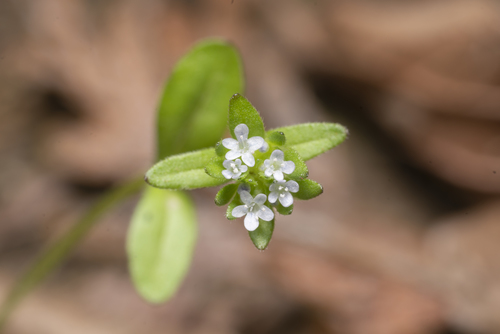
Valerianella carinata
Keeled-fruited cornsalad, European Cornsalad, Pancagiolo, Pancagiotto, Gallinella
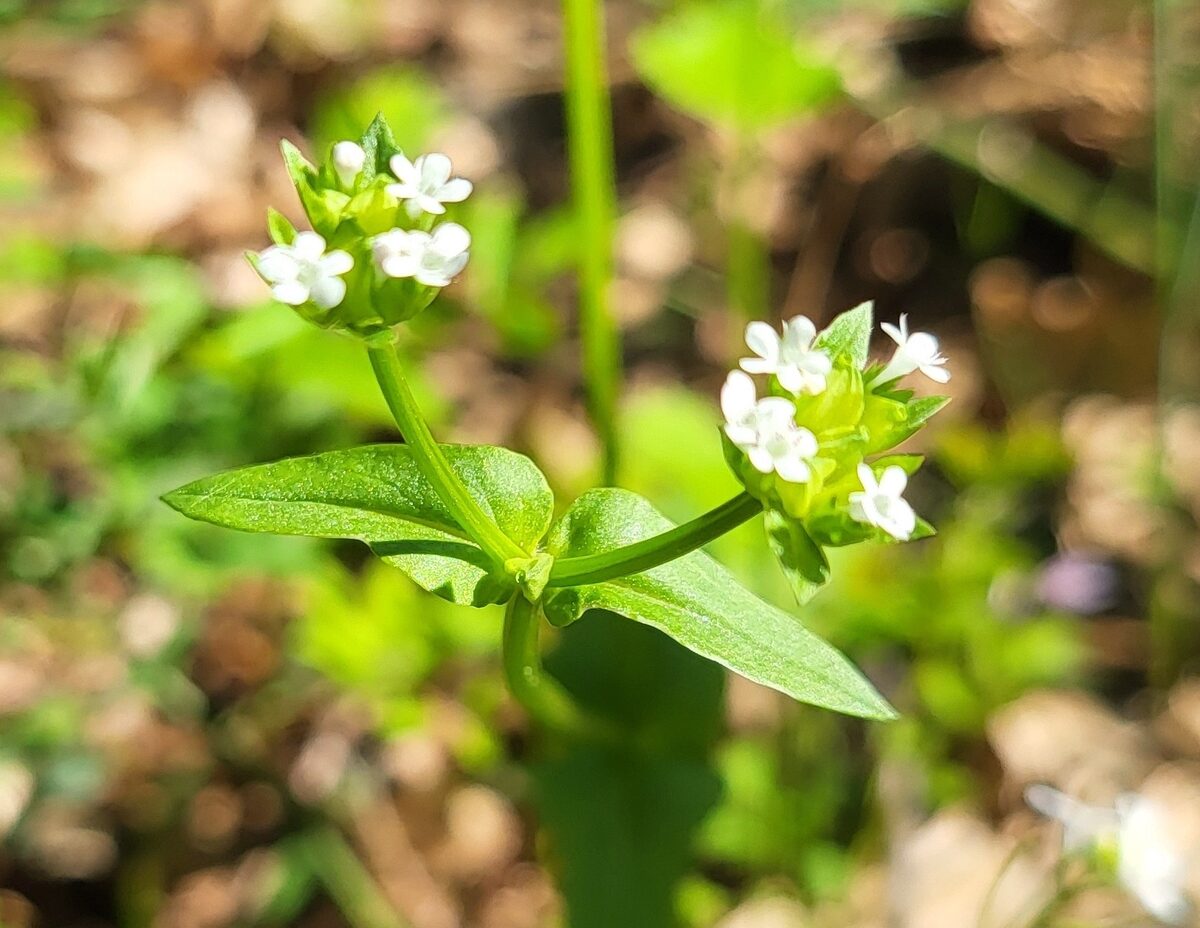
Valerianella chenopodifolia - (Pursh.)DC.
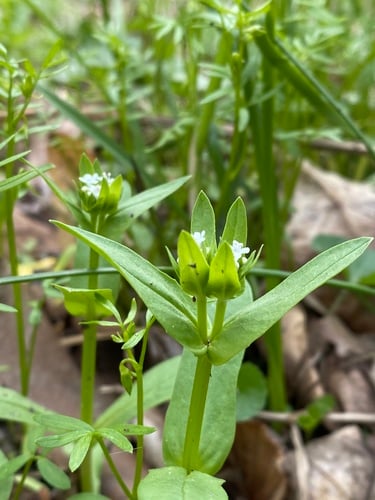
Valerianella chenopodiifolia
Goose-foot Cornsalad
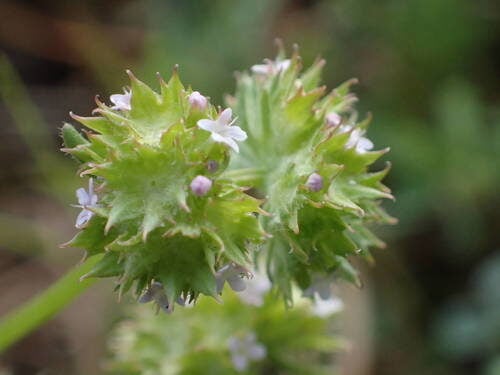
Valerianella discoidea
Lesser Cornsalad
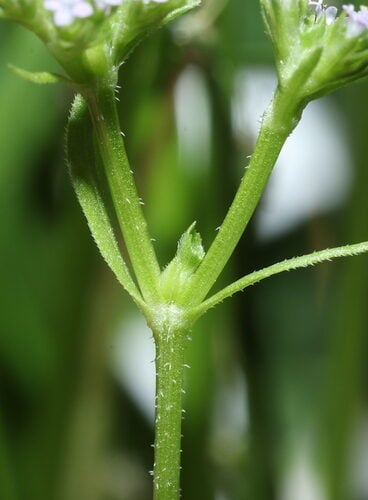
Valerianella eriocarpa
Italian Corn Salad
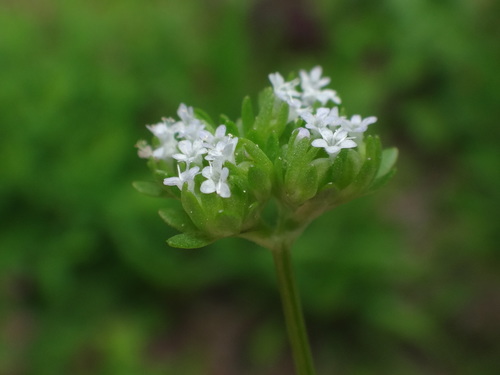
Valerianella locusta
Corn salad, White pot herb, European lamb's lettuce