Saussurea pulchella
Fisch. ex DC.
iNaturalist· cc-by-nc
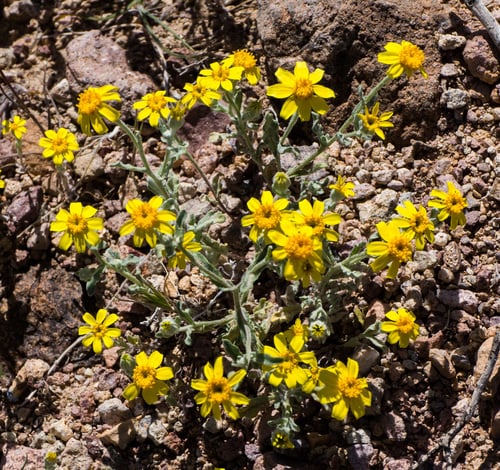
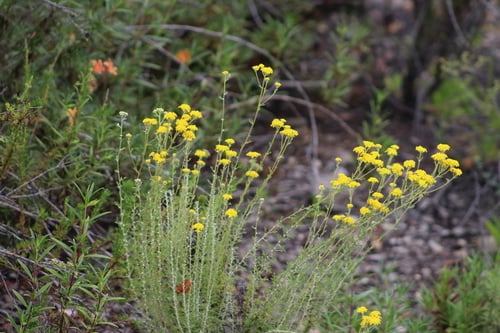
(c) Lee, seong-won, some rights reserved (CC BY-NC), uploaded by Lee, seong-won
iNaturalist· cc-by-nc
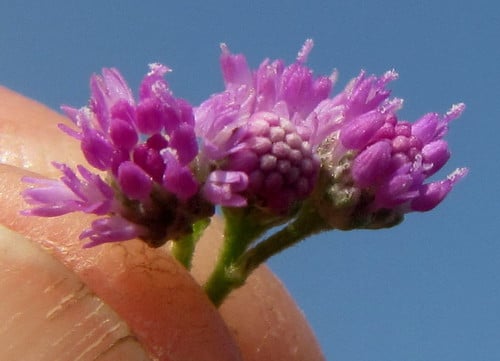
(c) Игорь Поспелов, some rights reserved (CC BY-NC)
iNaturalist· cc-by-nc
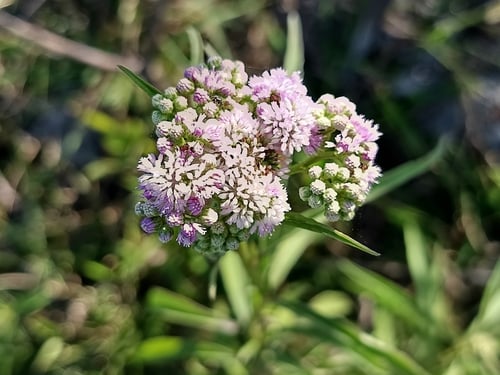
(c) Игорь Поспелов, some rights reserved (CC BY-NC)
Summary
A hardy perennial reaching 1.5 m (5 ft) in height, suitable for UK zone 3 and corresponding USDA hardiness. Hermaphrodite flowers bloom from July through August and attract insect pollinators. Grows in light sandy, medium loamy, and heavy clay soils with mildly acidic to basic pH. Tolerates semi-shade or full sun and prefers moist conditions.
Description
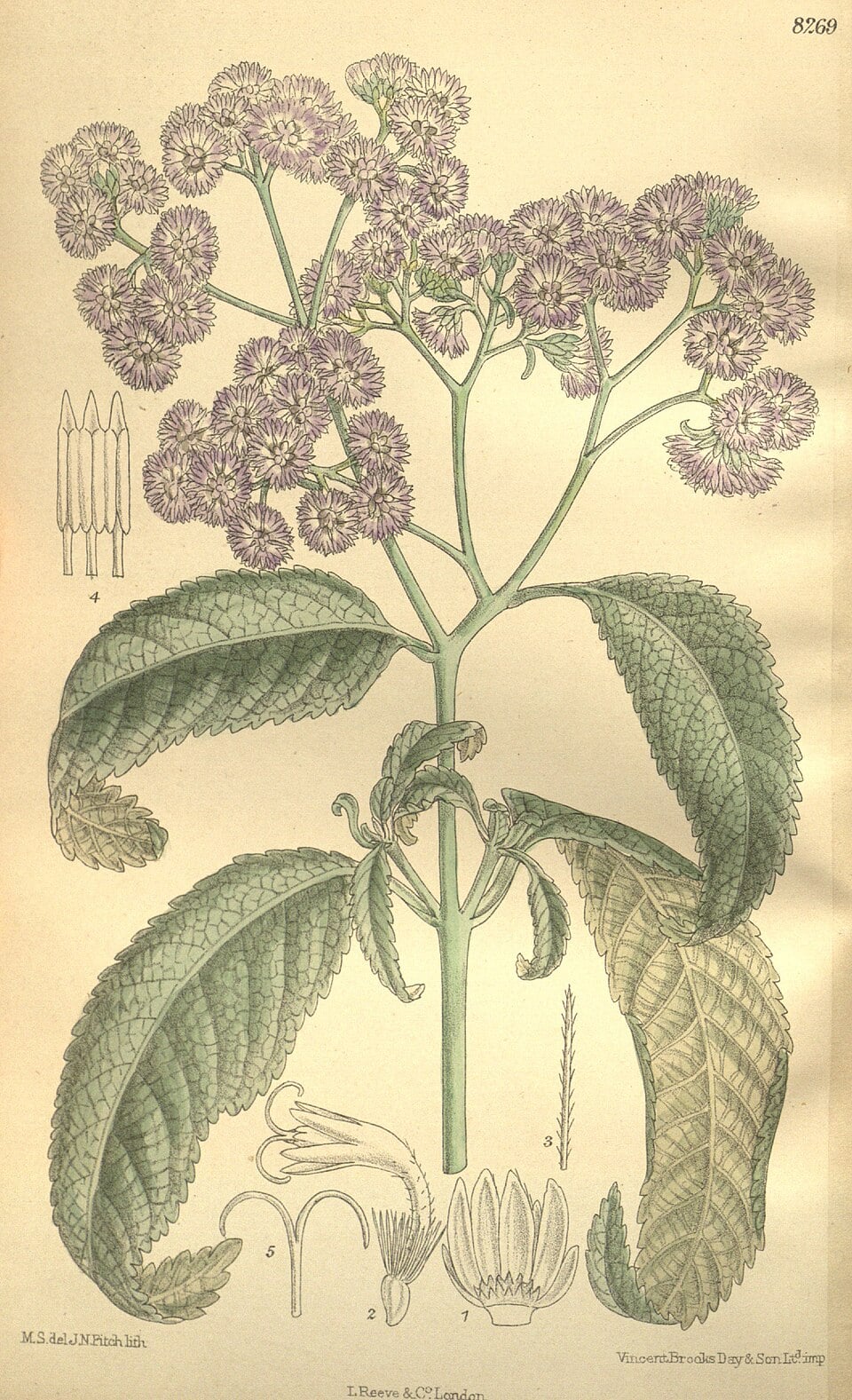
A herb. It grows 25-120 cm tall. It takes 2 years to complete its life-cycle. It has a single stem. The leaves are oblong and 10-25 cm long by 4-14 cm wide. They are divided into lobes along the stalk. There are 4-8 pairs of segments.
Edible Uses
Young leaves are edible when cooked.
Medicinal Uses
None known.
Distribution
A cool temperate plant. It grows in thickets and on meadows between 300-2,200 m above sea level in north China.
Where It Grows
Asia, China, Japan, Korea, Mongolia, Russia, Siberia,
Cultivation
Succeeds in most soils in a sunny well-drained position.
Propagation
No specific information is available for this species, but sowing seed in a cold frame in spring is recommended. Surface sow or barely cover the seed, keeping the compost consistently moist. Prick out seedlings into individual pots once large enough to handle and grow them on in a greenhouse or cold frame through their first winter. Plant out in late spring after the last expected frosts. Division in spring may also be possible.
Other Uses
None known.
Synonyms
References (4)
- Hwang, H., et al, 2013, A Study on the Flora of 15 Islands in the Western Sea of Jeollanamdo Province, Korea. Journal of Asia-Pacific Biodiversity Vol. 6, No. 2 281-310
- Hwang, HS, et al, 2014, Distribution characteristics of plant in the Ungseokbong Mountain, Gyeongsangnam-do, Korea. Journal of Asia-Pacific Biodiversity. 7(2014) e164-e178
- Plants for a Future database, The Field, Penpol, Lostwithiel, Cornwall, PL22 0NG, UK. http://www.scs.leeds.ac.uk/pfaf/
- Urgamal, M., Oyuntsetseg, B., Nyambayar, D. & Dulamsuren, Ch. 2014. Conspectus of the vascular plants of Mongolia. (Editors: Sanchir, Ch. & Jamsran, Ts.). Ulaanbaatar, Mongolia. “Admon“ Press. 334pp. (p. 199-230).