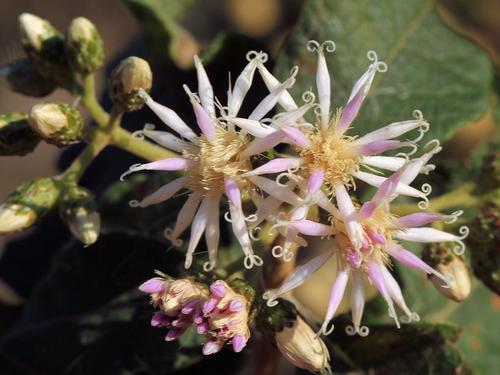
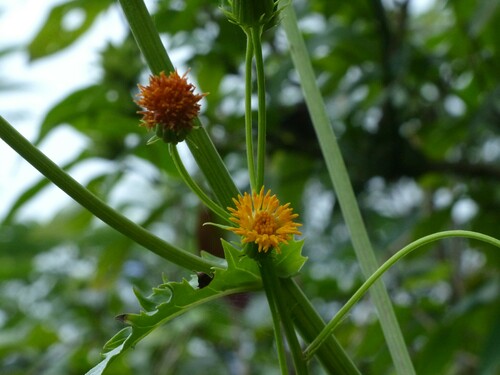
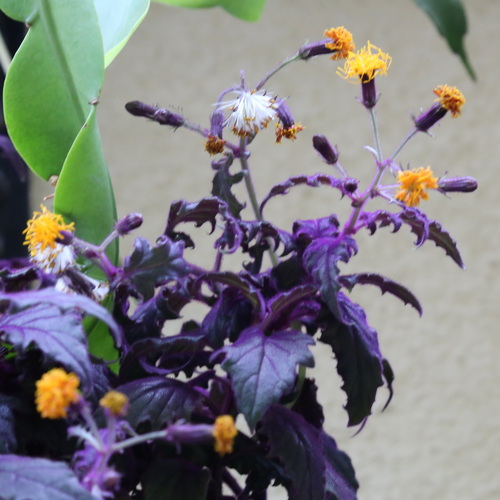
Saussurea gracilis
Maxim.
iNaturalist· cc-by-nc
(c) onidiras-iNaturalist, some rights reserved (CC BY-NC), uploaded by onidiras-iNaturalist
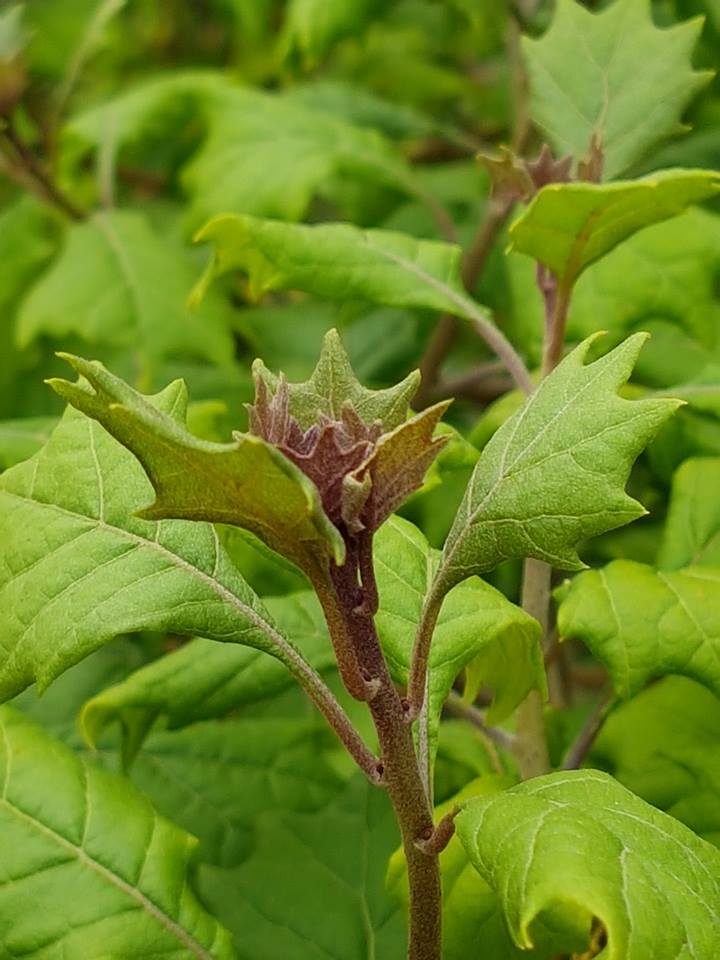
iNaturalist· cc-by-nc
(c) hyeonsoo_kim, some rights reserved (CC BY-NC)
Summary
Perennial hermaphrodite with insect pollination. Tolerates light sandy, medium loamy, and heavy clay soils across mildly acid to basic pH. Grows in semi-shade or full sun and prefers moist soil.
Description
Perennial hermaphrodite with insect pollination. Tolerates light sandy, medium loamy, and heavy clay soils across mildly acid to basic pH. Grows in semi-shade or full sun and prefers moist soil.
Edible Uses
Young leaves are edible when cooked and are usually eaten with rice.
Medicinal Uses
None known.
Distribution
A cool temperate plant.
Where It Grows
Asia, Japan, Korea,
Cultivation
We have almost no information on this species and do not know if it will be hardy in Britain, though judging by its native range it should succeed outdoors in many parts of the country. The following notes are based on the general needs of the genus. Succeeds in most soils in a sunny well-drained position.
Propagation
No specific information is available for this species. It is suggested to surface-sow seed, or just barely cover it, in a cold frame in spring, keeping the compost moist. Prick seedlings into individual pots when large enough to handle and grow on in a greenhouse or cold frame through their first winter, then plant out in late spring after the last expected frosts. Division in spring may also be possible.
Other Uses
None known.
References (1)
- Plants for a Future database, The Field, Penpol, Lostwithiel, Cornwall, PL22 0NG, UK. http://www.scs.leeds.ac.uk/pfaf/