Sanicula europaea
L.
Wood Sanicle, Sanicle, European Wood Sanicle
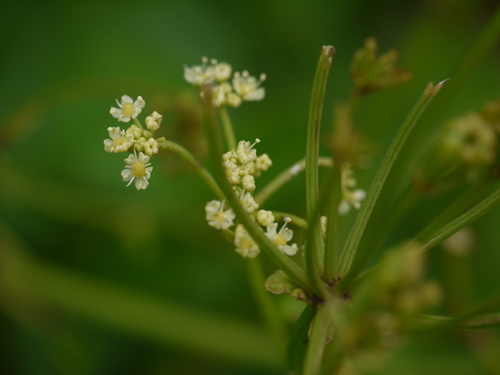
iNaturalist· cc-by-nc
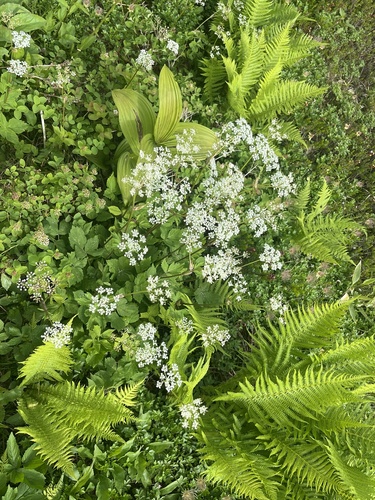
(c) yulia_kazantseva, some rights reserved (CC BY-NC)
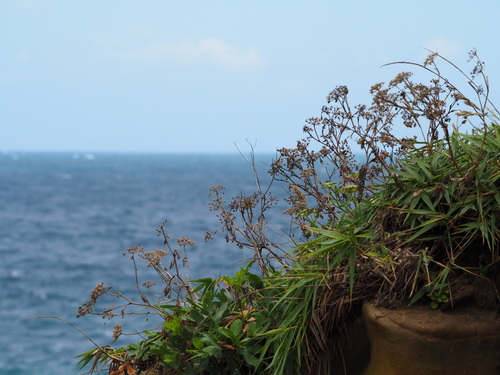
iNaturalist· cc-by-nc
(c) Alenka Mihoric, some rights reserved (CC BY-NC), uploaded by Alenka Mihoric
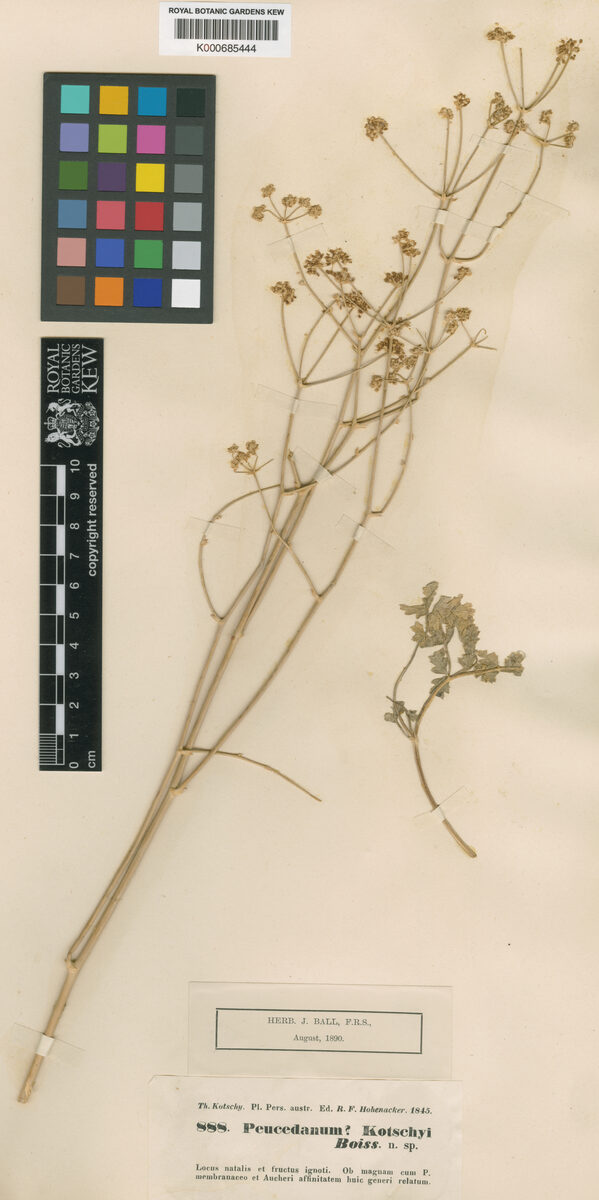
iNaturalist· cc-by-nc
(c) guillaume_papuga, some rights reserved (CC BY-NC), uploaded by guillaume_papuga
Summary
Source: WikipediaSanicula europaea, the sanicle or wood sanicle, is a perennial plant of the family Apiaceae. It has traditionally been a favoured ingredient of many herbal remedies, and of it was said "he who has sanicle and self-heal needs neither physician nor surgeon".
Description
A herb. It grows 560 cm tall. The leaves and stem form tufts from the rootstock. The leaves are lobed and dark green and shiny. The leaves have coarse teeth. The flowers are pink and in tight round bundles. The fruit are bristly.
Edible Uses
Leaves and young shoots can be eaten cooked. They contain saponins and should not be consumed in large quantities. This is regarded as a famine food, used only when other options are unavailable.
Traditional Uses
The shoots and leaves are cooked and eaten as a vegetable.
This uses section is brief — help expand it
Medicinal Uses
Wood sanicle has a long-standing reputation as a wound healer and treatment for internal bleeding, and was historically considered detoxifying and useful for skin complaints. Though little used in modern herbalism, it remains a potentially valuable plant. The leaves and root are alterative, astringent, carminative, expectorant, and vulnerary. Leaves are harvested in early summer and roots in mid to late summer, both dried for later use. The herb is highly regarded for blood disorders, typically given in combination with other herbs. Internally it is used for stomach and intestinal bleeding, coughing up blood, nosebleeds, chest and lung complaints, dysentery, and diarrhoea. It can be used as a gargle for sore throats. Externally it is applied to rashes, chilblains, and inflammations, and an ointment prepared from the plant is used on haemorrhoids.
Known Hazards
The leaves contain saponins. Although toxic, saponins are very poorly absorbed by the body and so tend to pass through without causing harm, they are also destroyed by thorough cooking. Saponins are found in many plants, including several that are often used for food, such as certain beans. It is advisable not to eat large quantities of food that contain saponins. Saponins are much more toxic to some creatures, such as fish, and hunting tribes have traditionally put large quantities of them in streams, lakes etc in order to stupefy or kill the fish.
Distribution
It is a temperate plant. It grows in shady places.
Where It Grows
Asia, Australia, Balkans, Bosnia, China, Europe, India, Luxembourg, Myanmar, SE Asia, Slovenia,
Cultivation
Succeeds in any moist moderately fertile well-drained soil in sun or semi-shade. Strongly dislikes poor thin soils. Prefers a loamy or calcareous soil. The seeds are covered with little prickles, enabling them to become attached to anything that brushes against them and thus distributing the seed.
Propagation
Stratification improves germination. Sow seed in autumn if possible; sow stored seed as early in the year as possible. The best results come from sowing in situ in woodland soil under trees. If seed is limited, sow in pots of woodland soil in a shady cold frame. Once seedlings are large enough to handle, prick out into individual pots and grow on in a shaded greenhouse position through their first winter, then plant out in late spring or early summer after the last frosts. Divide in spring — larger divisions can go straight into permanent positions, while smaller ones do best potted up and grown on in a lightly shaded cold frame until well established before planting out in summer.
Other Uses
None known
Notes
It is used in medicine.
Synonyms
Also Known As
Milogled, Navadni ženikelj
References (9)
- Ambasta, S.P. (Ed.), 2000, The Useful Plants of India. CSIR India. p 546
- Bremness, L., 1994, Herbs. Collins Eyewitness Handbooks. Harper Collins. p 215
- http://www.botanic-gardens-ljubljana.com/en/plants
- Plants for a Future database, The Field, Penpol, Lostwithiel, Cornwall, PL22 0NG, UK. http://www.scs.leeds.ac.uk/pfaf/
- READ
Show all 9 references Hide references
- Redzic, S. J., 2006, Wild Edible Plants and their Traditional Use in the Human Nutrition in Bosnia-Herzegovina. Ecology of Food and Nutrition, 45:189-232
- Sp. pl. 1:235. 1753
- Swaziland's Flora Database http://www.sntc.org.sz/flora (As Sanicula elata)
- UPHOF