Salix caprea
L.
Goat willow, Great sallow, Pussy willow, Florist's willow, French pussy willow
iNaturalist· cc-by-nc-nd
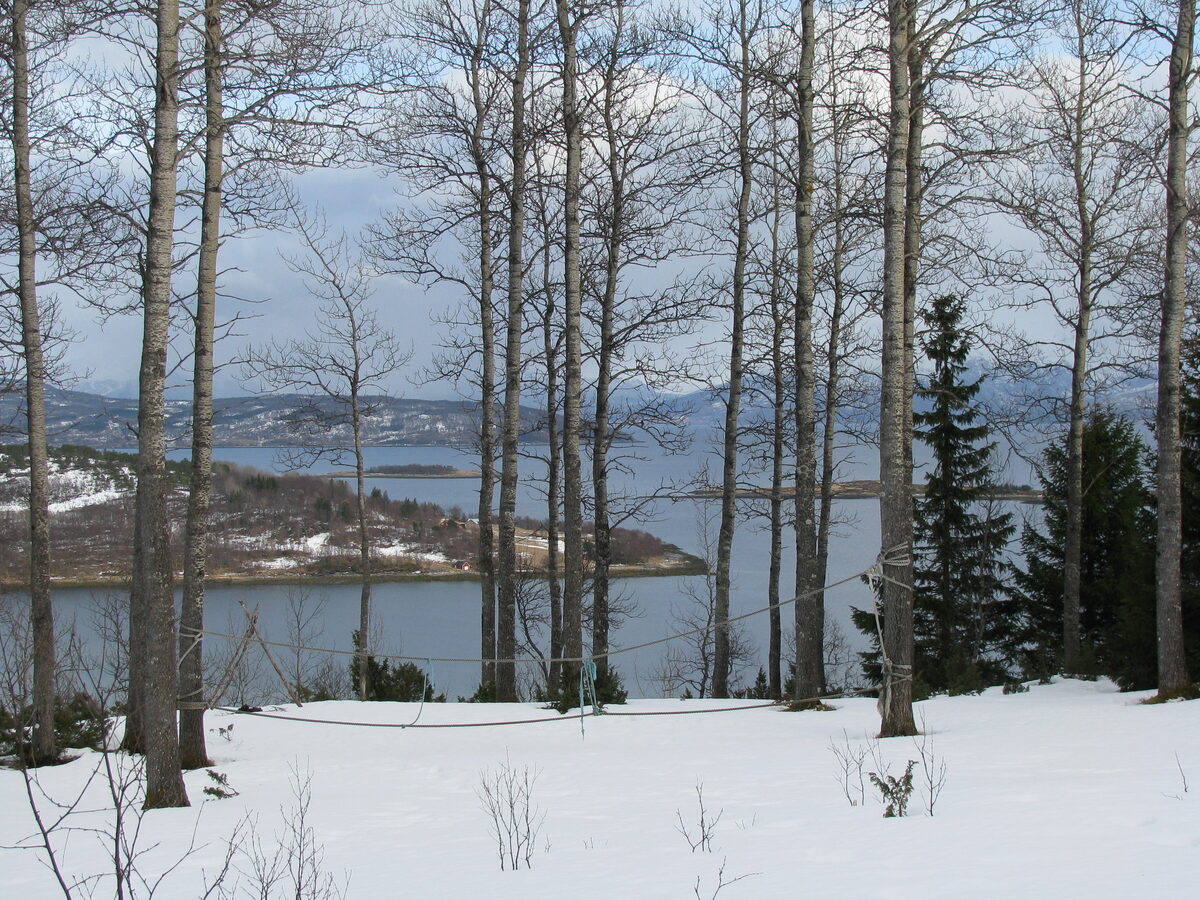
(c) Colin, some rights reserved (CC BY-NC-ND)
iNaturalist· cc-by
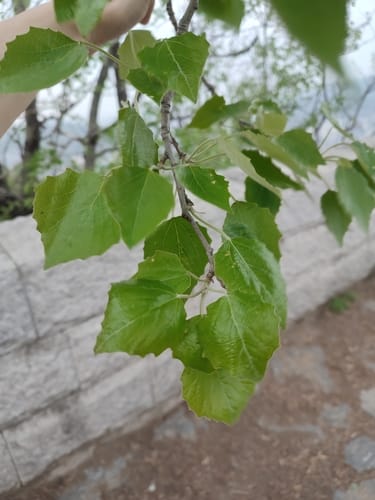
(c) Nina Filippova, some rights reserved (CC BY), uploaded by Nina Filippova
iNaturalist· cc-by-nc
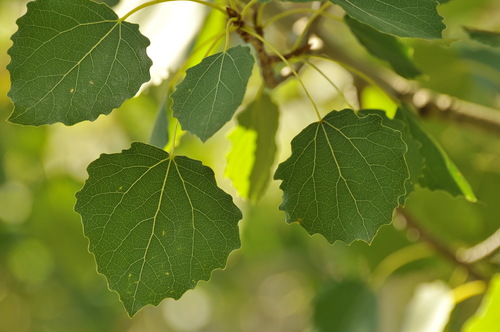
(c) clara7697, some rights reserved (CC BY-NC), uploaded by clara7697
Summary
Source: WikipediaSalix caprea, known as goat willow, pussy willow or great sallow, is a common species of willow native to Europe and western and central Asia.
Description
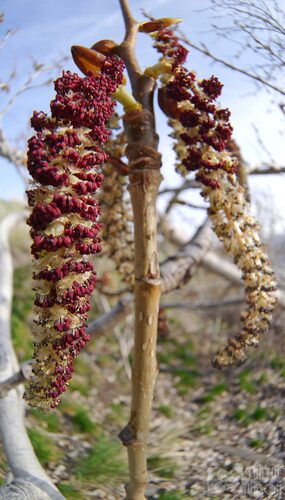
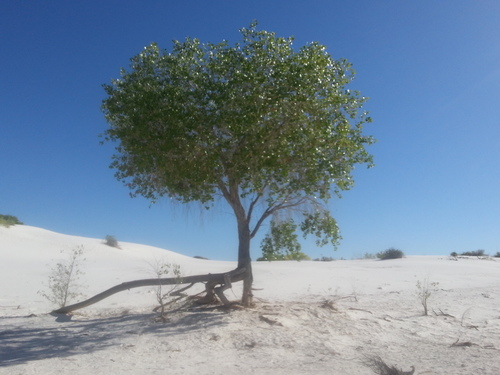
A shrub or small tree. It grows 7.5-9 m tall and spreads 6-7.5 m wide. The leaves are alternate and have short points. There are small teeth around the edge. The leaves are 1-3 times as long as wide. Male and female catkins grow on separate trees. The female has silver catkins and the male has large yellow catkins.
Edible Uses
The inner bark can be eaten raw or cooked, or dried and ground into a powder to blend with cereal flour for bread-making. It has a very bitter flavour and is considered a famine food, used only when all else fails. Young shoots can be eaten raw or cooked, though they are not very palatable. The plant is also a source of an edible manna, though no further details are recorded.
Traditional Uses
The tree produces an edible manna.
This uses section is brief — help expand it
Medicinal Uses
The fresh bark contains salicin, which probably decomposes into salicylic acid (closely related to aspirin) in the human body, and is used as an anodyne and febrifuge. A decoction of the leaves treats fevers. A distilled water from the flowers is aphrodisiac, cordial, and stimulant, and is applied externally for headaches and ophthalmia. The wood ash is useful in treating haemoptysis. The stems and leaves are astringent. A gum and the juice of the tree are used to improve visual powers.
Distribution
It is a warm temperate plant. It is frost hardy. In Argentina it grows between 1,000-1,500 m above sea level. It suits hardiness zones 5-10. Arboretum Tasmania.
Where It Grows
Andorra, Argentina, Asia, Australia, Britain, Europe, Germany, Greece, India, Korea, Luxembourg, Mediterranean, Slovenia, South America, Tasmania,
Cultivation
Succeeds in most soils, including wet, ill-drained or intermittently flooded soils, but prefers a damp, heavy soil in a sunny position. Grows in drier soils than any other British species of Salix. Rarely thrives on chalk. Plants are found most frequently on basic soils in the wild. Tolerates atmospheric pollution and exposed positions, including maritime exposure. A fast growing tree, it establishes well. The tree has an untidy habit. A light demanding tree, it becomes tall and drawn when grown in woodland, though it grows well along the sunnier edges. Hybridizes freely with other members of this genus. Although the flowers are produced in catkins early in the year, they are pollinated by bees and other insects rather than by the wind. Trees are very tolerant of cutting, they coppice well. Plants in this genus are notably susceptible to honey fungus. Dioecious. Male and female plants must be grown if seed is required.
Propagation
Seed must be surface sown as soon as it ripens in late spring, as viability is very short — perhaps only a few days. Cuttings of mature wood from the current year's growth can be taken November to February in a sheltered outdoor bed, or planted straight into their permanent position with a weed-suppressing mulch, though cuttings of this species do not root well. Plant out permanently in autumn. Half-ripe cuttings taken June to August in a frame also do not root well.
Other Uses
The flexible stems are used in basket-making, with plants typically coppiced annually or every two years for thicker upright poles. The tough, flexible bark serves as a leather substitute and contains around 10% tannin. Fast-growing and tolerant of maritime exposure, it works well as a windbreak hedge and shelterbelt, though it has an untidy habit. Seeds are very light and wind-dispersed, allowing the plant to colonise disturbed soils such as cleared woodland, where seedlings establish quickly even in exposed conditions. It is a useful pioneer species, though its extensive and greedy root system means it enriches the soil less than pioneer species such as alders. Some cultivars suit ground cover use; 'Pendula' (female) and 'Kilmarnock' (male) should be spaced about 1.5 metres apart. The wood is soft, elastic, and easily split, used for baskets and rugs. Good-quality charcoal is also produced from the wood. Functions as a dynamic accumulator.
Notes
There are about 300 Salix species.
Also Known As
Bedmushk, Iva
References (15)
- Ambasta, S.P. (Ed.), 2000, The Useful Plants of India. CSIR India. p 541
- Cundall, P., (ed.), 2004, Gardening Australia: flora: the gardener's bible. ABC Books. p 1296
- Facciola, S., 1998, Cornucopia 2: a Source Book of Edible Plants. Kampong Publications, p 222
- Harris, E & J., 1983, Field Guide to the Trees and Shrubs of Britain. Reader's Digest. p 64
- Heywood, V.H., Brummitt, R.K., Culham, A., and Seberg, O. 2007, Flowering Plant Families of the World. Royal Botanical Gardens, Kew. p 289
Show all 15 references Hide references
- Hibbert, M., 2002, The Aussie Plant Finder 2002, Florilegium. p 283
- http://www.botanic-gardens-ljubljana.com/en/plants
- Joyce, D., 1998, The Garden Plant Selector. Ryland, Peters and Small. p 158
- Kremer, B.P., 1995, Shrubs in the Wild and in Gardens. Barrons. p 122.
- Lord, E.E., & Willis, J.H., 1999, Shrubs and Trees for Australian gardens. Lothian. p 72
- Plants for a Future database, The Field, Penpol, Lostwithiel, Cornwall, PL22 0NG, UK. http://www.scs.leeds.ac.uk/pfaf/
- Sainty, G.R. & Jacobs, S.W.L., 1981, Waterplants of New South Wales. Water Resources Commission. NSW p 399
- Sfikas, G., 1984, Trees and shrubs of Greece. Efstathiadis Group. Athens. p 164
- Slocum, P.D. & Robinson, P., 1999, Water Gardening. Water Lilies and Lotuses. Timber Press. p 134
- Sp. pl. 2:1020. 1753